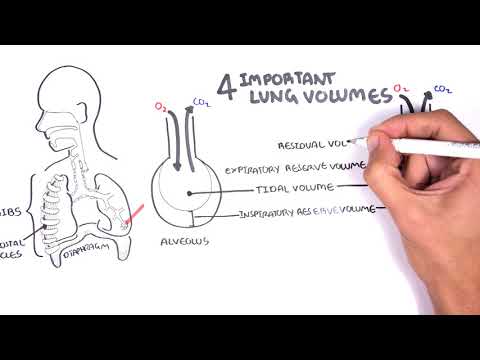
When we breathe, our body performs a complex but fascinating dance of air exchange. One crucial aspect of this process is called tidal volume—the amount of air we inhale or exhale during normal breathing. Think of it as the gentle ebb and flow of ocean waves, quietly yet powerfully sustaining life.
Understanding tidal volume helps us appreciate how our lungs function and why they are essential for overall health. It’s not just about inhaling oxygen; it’s also about removing carbon dioxide, a waste product produced by our cells. By measuring tidal volume, healthcare providers can gain insights into respiratory conditions ranging from asthma to chronic obstructive pulmonary disease (COPD).
However, it’s important to approach this topic with care and curiosity. While learning about tidal volume can be enlightening, remember that medical information is nuanced. Individual circumstances vary greatly, and what applies to one person may not apply to another.
Warning: Relying solely on general information can be misleading. Always seek guidance from various specialists and reputable sources before forming conclusions about your health or that of others. Exploring different perspectives ensures a well-rounded understanding, empowering you to make informed decisions for your wellbeing.
The information provided in this article is intended solely for general informational and educational purposes. It does not constitute medical advice, diagnosis or professional treatment, and should not be considered a substitute for consultation with a qualified doctor or other licensed healthcare professional. Any health-related decisions should be made in consultation with accredited medical professionals.
While efforts have been made to ensure the information is accurate and up to date, no guarantees are given—either express or implied—regarding its accuracy, completeness, currency or suitability. Use of this information is at your own discretion.
It is strongly recommended to consult official sources such as the NHS (National Health Service) or other recognised medical institutions before acting on any information contained on this website or article. Under no circumstances should professional medical advice be ignored or delayed due to content read here.
This content is of a general and informational nature only. It is not intended to replace individualised guidance from a healthcare professional or to establish any doctor-patient relationship. The publication of this information does not imply any professional responsibility, guarantee or obligation on the part of the author or this site.
Exploring the Essential Measurement of Breathing in Health and Disease
Breathing is a vital process that keeps us alive. It supplies oxygen to our bodies and removes carbon dioxide. One crucial aspect of breathing is the measurement of tidal volume.
Tidal volume refers to the amount of air inhaled or exhaled during normal breathing. Think of it like a wave in the ocean—each inhale and exhale is a cycle, just like waves rolling in and out.
Measuring tidal volume can tell us a lot about our lung health. It’s typically measured in milliliters (mL) and varies from person to person, depending on factors like age, size, and fitness level.
Here are some key points about tidal volume:
Monitoring tidal volume can help healthcare providers assess lung function in various situations. For example, patients on ventilators need careful management of their tidal volumes.
Understanding this measurement can empower individuals to be proactive about their respiratory health. Recognizing changes in breathing patterns could be an early sign of potential problems.
It’s essential to listen to your body. If you experience persistent shortness of breath or changes in your usual breathing patterns, it’s worth discussing with a healthcare professional.
In summary, tidal volume is an essential concept in understanding how we breathe. It reflects not just our lung capacity but also our overall health status. By keeping informed about such measurements, we can take steps toward better respiratory health.
Discover the Tool That Helps Capture Your Breathing Capacity
Understanding how we breathe is crucial for our overall health. One key concept in this area is *tidal volume*. This term refers to the amount of air we inhale and exhale with each breath.
Measuring tidal volume can give insight into lung function. Tools like spirometers are commonly used to assess this. A spirometer is a device that captures the volume of air you breathe in and out.
Imagine blowing up a balloon; the air you put in represents your tidal volume. If you can fill the balloon easily, it suggests good lung capacity. If not, it may indicate a problem that requires attention.
Regularly checking tidal volume can be important for people with respiratory conditions, such as asthma or COPD. These conditions can affect how much air your lungs can handle.
Here are some key points about tidal volume and its measurement:
Many factors can influence tidal volume, including age, physical fitness, and even altitude. For example, athletes often have larger tidal volumes because their bodies adapt to using oxygen more efficiently.
Understanding your breathing capacity is not just for those with chronic conditions; it’s beneficial for everyone. Regular monitoring encourages awareness of your respiratory health.
In summary, tools that measure tidal volume help capture how well your lungs are working. They provide important data that contribute to understanding overall wellness and identifying potential issues early on.
If you’re curious about your own respiration health or have concerns, consider discussing them with a healthcare professional who can provide guidance tailored to you.
Unlocking the Key Concept of Lung Capacity and Breathing Efficiency
Understanding lung capacity and breathing efficiency is crucial for maintaining overall health. Let’s break this down in simple terms.
Lung capacity refers to the maximum amount of air our lungs can hold. Think of your lungs like a balloon; they can stretch to hold more air, but they also have limits.
One key part of lung capacity is tidal volume. This is the amount of air you breathe in and out during normal, restful breathing. In a healthy adult, tidal volume typically measures around 500 milliliters per breath.
Monitoring tidal volume helps us understand breathing efficiency. When tidal volume is too low, it means less oxygen is reaching the bloodstream. This can happen for various reasons—like lung diseases or conditions affecting the airway.
Some factors affecting tidal volume include
For example, lying flat can reduce tidal volume because your lungs have less room to expand. As we age, our lung elasticity decreases, leading to lower capacities over time.
Breathing efficiently means using your lungs effectively to get enough oxygen while expelling carbon dioxide. Regular deep breaths help maintain good tidal volume and overall lung health.
Myths often surround lung health. Many people think that smoking only affects older adults or those with visible symptoms. However, its impact on lung capacity begins early and builds silently over time.
Staying active is key for improving lug function and capacity. Activities like walking or swimming encourage deeper breaths and strengthen respiratory muscles.
In summary, understanding tidal volume and lung capacity helps you appreciate how essential breath control is for life quality. Small changes in habits—like posture or activity level—can make meaningful improvements in how we breathe every day. Being informed empowers us to make better choices about our health!
Tidal volume is a fundamental concept in respiratory physiology that refers to the amount of air inhaled or exhaled during normal breathing. Understanding its measurement and the conditions affecting it is crucial for both health professionals and patients.
When we breathe, our body automatically adjusts the tidal volume based on activity levels, sleep, or even stress. For instance, during physical exertion, our tidal volume increases to meet the body’s higher oxygen demands. This adaptability illustrates how our lungs work like a well-tuned engine, adjusting fuel intake according to need.
Measuring tidal volume can provide significant insights into lung function. In clinical settings, medical professionals often use devices like spirometers to assess respiratory health. Abnormalities in tidal volume can signal various conditions such as asthma, chronic obstructive pulmonary disease (COPD), or pneumonia, where either too little air is exchanged or inefficient gas exchange occurs.
While tidal volume is generally straightforward to understand, several factors can influence it—age, gender, body position, and overall fitness level. For example, an upright position allows for better lung expansion compared to lying down.
Recognizing these influences helps us appreciate why individualized assessment is essential in respiratory care. It’s not just about numbers; it’s about understanding how each patient’s breathing pattern reflects their unique health status.
In summary, exploring tidal volume enhances our comprehension of respiratory health and highlights the importance of tailored approaches in both assessment and treatment strategies. Knowledge in this area empowers individuals to engage actively with their health decisions while fostering a collaborative atmosphere with healthcare providers.