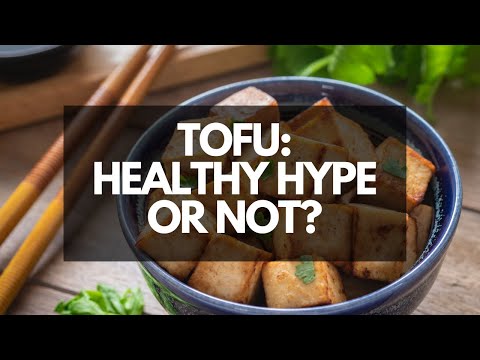
Tofu, often called “bean curd,” is more than just a trendy meat substitute. This versatile food, made from soybeans, has been a staple in Asian cuisine for centuries. It’s known for its ability to absorb flavors, making it a chameleon in your kitchen. Whether stir-fried, blended into smoothies, or grilled on skewers, tofu brings lots of nutrients to the table.
When you dig deeper into tofu’s nutritional profile, you’ll find it packed with protein and essential amino acids. It also contains healthy fats, vitamins, and minerals that contribute to a balanced diet. But like any food item, tofu comes with its benefits—and potential drawbacks. Understanding these can help you make informed choices about incorporating it into your meals.
However, it’s crucial to approach this topic thoughtfully. While many people enjoy tofu without issues, some may experience sensitivities or health concerns related to soy products. Always take the time to inform yourself about dietary choices from multiple sources. Consult with health professionals and explore diverse media to gather well-rounded information. Doing so will empower you to make confident decisions tailored to your health needs and lifestyle!
The information provided in this article is intended solely for general informational and educational purposes. It does not constitute medical advice, diagnosis or professional treatment, and should not be considered a substitute for consultation with a qualified doctor or other licensed healthcare professional. Any health-related decisions should be made in consultation with accredited medical professionals.
While efforts have been made to ensure the information is accurate and up to date, no guarantees are given—either express or implied—regarding its accuracy, completeness, currency or suitability. Use of this information is at your own discretion.
It is strongly recommended to consult official sources such as the NHS (National Health Service) or other recognised medical institutions before acting on any information contained on this website or article. Under no circumstances should professional medical advice be ignored or delayed due to content read here.
This content is of a general and informational nature only. It is not intended to replace individualised guidance from a healthcare professional or to establish any doctor-patient relationship. The publication of this information does not imply any professional responsibility, guarantee or obligation on the part of the author or this site.
Uncovering the Hidden Drawbacks of a Plant-Based Favorite
Tofu is a popular choice in plant-based diets. Many people appreciate it for its versatility and protein content. However, while it’s often celebrated, there are some hidden drawbacks to consider.
First, tofu is made from soybeans. For some individuals, soy can trigger allergies. Symptoms can include itching, swelling, or even digestive issues. If you’ve had a reaction before, it’s best to avoid tofu altogether.
Next, there’s the issue of phytoestrogens. These are plant compounds found in soy that can mimic estrogen in the body. While they may offer benefits for some, they might disrupt hormonal balance in others. This could be a concern for those with certain conditions like hormone-sensitive cancers.
Another consideration is how tofu is processed. Most tofu available today is made with added preservatives or flavorings that may not be healthy. Reading ingredient labels is essential to ensure you’re choosing the best option for your diet.
Tofu also contains anti-nutrients like trypsin inhibitors and phytic acid. These compounds can interfere with nutrient absorption in the body. Cooking does help reduce their levels but doesn’t eliminate them completely.
It’s also worth mentioning that not all tofu is created equal. Organic and non-GMO options tend to be better in terms of quality and potential pesticide exposure. Choosing wisely can make a difference.
Finally, if you rely heavily on tofu as your main protein source without variety, you might miss out on other nutrients found in different foods. A balanced diet includes diverse sources of protein and other nutrients for optimal health.
In summary, while tofu has many perks like being high in protein and low in calories, it’s important to consider its potential drawbacks too. Always listen to your body and consult professionals when making dietary changes or if you have concerns about food allergies or health conditions.
Educating yourself about what you’re eating helps empower better choices—whether that includes enjoying tofu or opting for alternatives!
Discover how this versatile ingredient can boost your health, enhance your meals, and support the planet.
Tofu is a fascinating ingredient that has gained popularity around the world. It’s made from soybeans, a plant rich in protein and nutrients. But what exactly does tofu offer?
High in Protein: Tofu is an excellent source of plant-based protein. This makes it a fantastic option for vegetarians and vegans looking to meet their protein needs.
Nutrition Packed: Along with protein, tofu contains essential amino acids, iron, calcium, and magnesium. These nutrients are vital for various bodily functions, like building bones and producing energy.
Low in Calories: For those watching their calorie intake, tofu is a great choice. It is low in calories while providing essential nutrients, helping you feel fuller without consuming too much.
Tofu also has versatile culinary uses. It can absorb flavors from the dishes it’s cooked with. This means you can use it in stir-fries, soups, or even desserts!
However, there are potential drawbacks to consider. Some people may be allergic to soy products. Always be mindful of this if you’re trying tofu for the first time.
Another point is that not all soy products are created equal. Some tofu can be high in sodium or additives. Look for organic or non-GMO options when possible.
For those concerned about sustainability, tofu comes from soybeans that generally require less water compared to animal farming. Choosing tofu supports more eco-friendly eating habits.
In summary, tofu can enhance your health through its rich nutrient profile while being versatile in meals. It also supports environmental sustainability compared to many animal products.
Consider incorporating it into your diet and explore how it fits into your taste preferences! Just remember to keep an eye on quality when purchasing your tofu options.
Discover the surprising benefits and potential drawbacks of this plant-based protein option
Tofu is a versatile food made from soybeans. It’s often seen as a staple in vegetarian and vegan diets. But is it really as beneficial as some say? Let’s unpack the nutrients, perks, and potential drawbacks of tofu.
Nutrients
Tofu is packed with protein, making it an excellent substitute for meat. It contains all nine essential amino acids, which our bodies can’t produce on their own. In addition to protein, tofu is also rich in iron and calcium. These are important for strong bones and overall health.
Heart Health
Eating tofu may benefit heart health. It contains healthy fats and can help lower bad cholesterol levels. This might reduce the risk of heart disease over time.
Weight Management
Because tofu is high in protein but low in calories, it can be a good option for weight management. High-protein foods can help you feel full longer, which might prevent overeating.
Antioxidants
Tofu comes from soybeans, which are rich in antioxidants called isoflavones. These compounds may have several health benefits, such as reducing inflammation and improving blood sugar levels.
However, while there are many perks to eating tofu, there are also potential drawbacks to consider.
Soy Allergies
Some people are allergic to soy products. If you experience hives or digestive issues after eating tofu, consult with someone who can help you figure out what’s going on.
Diverse Diet Needed
Depending too much on tofu could mean missing out on other important nutrients found in different foods like grains or fruits. Variety in your diet is key to getting all the vitamins and minerals your body needs.
Hormonal Effects
There’s ongoing debate about whether the phytoestrogens in soy affect hormone levels negatively or positively. While moderate consumption seems fine for most people, it’s always best to listen to your own body.
In conclusion, tofu offers numerous benefits but has its downsides too. Balancing it with a variety of other foods will help ensure you’re meeting your nutrient needs without relying solely on one source of protein or any one kind of food practice.
Staying informed lets you make choices that suit your lifestyle best!
Tofu is often celebrated for its versatility and health benefits, but it’s important to unpack both its nutrients and potential drawbacks.
Tofu is a soy-based product rich in protein, making it an excellent meat alternative. It contains essential amino acids, which are the building blocks of proteins that our bodies need for various functions, such as muscle repair and immune support. Additionally, tofu is a good source of iron and calcium, which are crucial for maintaining healthy blood and bones.
One of the perks of tofu is its ability to absorb flavors from other ingredients. This makes it an appealing choice for various dishes across different cuisines. It’s also low in calories, which can be helpful for those looking to manage their weight.
However, there are potential drawbacks to consider. Some people may have soy allergies or intolerances that can cause digestive discomfort or allergic reactions. Furthermore, excessive consumption of soy products like tofu might lead to concerns about hormonal balance due to phytoestrogens found in soy.
It’s crucial to approach tofu with balanced awareness. Including tofu as part of a varied diet allows individuals to benefit from its nutrients while mitigating any risks associated with overconsumption or sensitivity.
Ultimately, incorporating tofu mindfully can enhance nutrition without compromising health. As always, it’s beneficial to stay informed and consult with nutrition resources when making dietary choices.