The information provided in this article is intended solely for general informational and educational purposes. It does not constitute medical advice, diagnosis or professional treatment, and should not be considered a substitute for consultation with a qualified doctor or other licensed healthcare professional. Any health-related decisions should be made in consultation with accredited medical professionals.
While efforts have been made to ensure the information is accurate and up to date, no guarantees are given—either express or implied—regarding its accuracy, completeness, currency or suitability. Use of this information is at your own discretion.
It is strongly recommended to consult official sources such as the NHS (National Health Service) or other recognised medical institutions before acting on any information contained on this website or article. Under no circumstances should professional medical advice be ignored or delayed due to content read here.
This content is of a general and informational nature only. It is not intended to replace individualised guidance from a healthcare professional or to establish any doctor-patient relationship. The publication of this information does not imply any professional responsibility, guarantee or obligation on the part of the author or this site.
Understanding Adult Tonsillitis: Symptoms and Effective Treatments
Have you ever woken up with a sore throat that just won’t go away? It’s frustrating, right? You might be dealing with tonsillitis, a condition that can feel like a nasty cold but is a bit more complex.
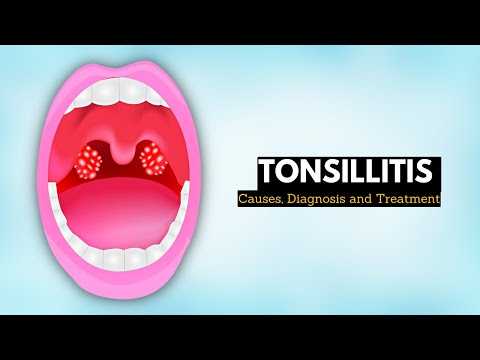
Tonsillitis occurs when the tonsils—those two little lumps in the back of your throat—become inflamed. This can happen to anyone, but adults often face unique challenges when it comes to treatment and recovery.
In this article, we’ll explore the symptoms of adult tonsillitis. You’ll learn about what makes it tick and how to recognize when it’s more than just a common cold. We’ll also dig into effective treatments that can get you back on your feet.
Your health matters, and understanding these symptoms could help you make informed decisions. However, remember that this article is not a substitute for professional medical advice. Always consult a healthcare provider for tailored guidance regarding your health issues.
Let’s take this journey together so you can feel empowered in managing your health!
Knowing When to Seek Urgent Care for Throat Pain
Understanding Throat Pain and When to Seek Care
Throat pain can be a real drag. Often, it might just be a sore throat from a cold or allergies. But sometimes, it can mean something more serious. So, how do you know when it’s time to get urgent care?
Common Symptoms of Throat Issues
First off, let’s talk about symptoms. A scratchy or sore throat happens to many of us now and then. However, if you experience severe pain when swallowing or opening your mouth, that might be a red flag.
- Fever – especially if it’s above 101°F (38°C).
- Pain that lasts more than two days.
- Swelling in the neck or difficulty breathing.
- A loss of voice or hoarseness that doesn’t improve.
Tonsillitis: What is it?
Tonsillitis is when your tonsils—the two oval-shaped pads at the back of your throat—become inflamed. It can be caused by viral infections like the common cold or bacteria like strep throat. Think of them as your body’s guards against germs; sometimes they need extra help when overwhelmed.
Signs You Might Have Tonsillitis
If you’re also seeing signs like bad breath, difficulty swallowing, or visible redness and swelling in your tonsils, this could be tonsillitis at work. Some folks even notice white patches on their tonsils!
When to Act Fast
If you’re having fevers with lots of throat pain—and especially if there’s trouble breathing—it’s smart to seek urgent care right away. Sometimes early treatment can make a big difference.
- If swelling makes it hard to breathe.
- If you’re drooling because swallowing hurts too much.
- If there are serious concerns about dehydration due to inability to drink fluids.
Treatment Options
Now as for treatment? If it’s bacterial tonsillitis, antibiotics might come into play, but only a healthcare provider can determine that. For viral infections? Rest and hydration are crucial; think chicken soup and plenty of fluids.
The Bottom Line
Your throat is super important for talking and eating! So, don’t ignore severe pain that’s hanging around for too long. Remember that seeking care early can help avoid complications down the line—it’s always better than waiting it out aimlessly!
Understanding the Signs and Discomfort of Tonsillitis in Adults
Understanding Tonsillitis in Adults
Tonsillitis is when your tonsils, the two lymph nodes at the back of your throat, get inflamed. It’s common in kids, but adults experience it too. The thing is, when adults get tonsillitis, it can sometimes be a bit confusing because the symptoms overlap with other conditions.
Common Signs of Tonsillitis
So how do you know if you have tonsillitis? Common symptoms include:
- Sore throat: This can feel sharp or scratchy.
- Difficulties swallowing: You might feel pain or discomfort when trying to eat or drink.
- Swollen tonsils: They might look red and enlarged.
- Fever: A temperature above 100.4°F (38°C) often accompanies this condition.
- Bad breath: You may notice an unpleasant odor coming from your mouth.
Coughing and Congestion
You might also cough or have nasal congestion. It’s not unusual to confuse symptoms with a cold or flu. Honestly, if you’re feeling really unwell and your throat is bothering you persistently, it’s time pay attention to those signs!
The Discomfort Factor
The discomfort from tonsillitis can vary widely among individuals. Some folks experience mild irritation while others face intense pain that makes even swallowing saliva tough. Why does this happen? Well, it often depends on whether the infection is viral or bacterial.
Treatment Options
If you suspect you have tonsillitis, treatment options exist based on its cause:
- Viral infections usually resolve on their own within a week or so; rest and hydration are key here.
- Bacterial infections like streptococcal throat may require antibiotics. It’s always best to consult with someone knowledgeable about this if you’re unsure what’s going on.
- Pain relief can also be achieved through over-the-counter medications like ibuprofen or acetaminophen for discomfort.
- Warm saltwater gargles might provide some temporary relief too; they’re simple and old-school but effective for many!
When to Seek Help
If symptoms persist beyond a few days or worsen, seeking medical advice is smart. Look out for signs of complications such as difficulty breathing or severe swelling—those situations are serious!
Myths to Keep in Mind
A common myth is that only children get tonsillitis due to their developing immune systems. While they’re more prone due to frequent colds and exposure at school, adults can just as easily contract it from various viruses and bacteria circulating around them too!
If you’ve been dealing with uncomfortable throat issues lately that seem similar to what we’ve discussed here, don’t hesitate—listen to your body! Sometimes a simple check-up can lead you toward the right treatment plan that suits your condition perfectly without unnecessary delays.
Relief Strategies for Discomfort and Quick Recovery
Understanding Adult Tonsillitis
Tonsillitis is when your tonsils, those two lumps of tissue at the back of your throat, become inflamed. This is often due to an infection caused by viruses or bacteria. So, what does that mean for you? Let’s break it down.
Common Symptoms
People with tonsillitis often experience a sore throat. It can hurt so much that swallowing feels like a challenge. You might also notice red or swollen tonsils. Sometimes, there are white patches on them too!
Other symptoms include bad breath, fever, and swollen lymph nodes in the neck. It’s no picnic—many adults feel overall fatigue as well.
Relief Strategies for Discomfort
- Stay Hydrated: Drinking plenty of fluids can help soothe your throat.
- Warm Salt Water Gargles: Swishing salt water around your mouth might give some relief.
- Cough Drops or Lozenges: These can help keep your throat moist and reduce discomfort.
- Pain Relievers: Over-the-counter medications like ibuprofen or acetaminophen may ease pain and fever.
Nourishment Matters
You know how eating can be tough when you’re in pain? Soft foods like yogurt, smoothies, and soups are easier on the sore throat but provide necessary nutrients. Avoid spicy or acidic foods—they can irritate your tonsils even more.
The Role of Rest
Your body needs time to heal. Ensure you’re getting enough sleep during this period; rest will help speed up recovery.
A Note on Medical Treatment
If symptoms last more than a few days or worsen significantly, it’s time to seek knowledgeable advice from a healthcare professional. They might check if there’s a bacterial infection that could need antibiotics.
A Word on Recovery Time
Tonsillitis usually passes within about a week with proper care. Everyone recovers differently though; some people bounce back quicker than others based on their overall health and treatment approach.
Your Health Matters!
If you find yourself dealing with tonsillitis often, don’t hesitate to talk about it. Remember, managing discomfort effectively plays a big role in quick recovery!
Understanding Adult Tonsillitis: Symptoms and Effective Treatments
Tonsillitis is a condition that can cause discomfort and confusion. It’s when the tonsils, those two almond-shaped glands in the back of your throat, become inflamed. This usually happens due to an infection—often viral, sometimes bacterial.
Symptoms of tonsillitis can vary. Common signs include a sore throat, difficulty swallowing, and swollen tonsils. You might also experience fever or a scratchy voice. It’s like having a persistent cold but more intense. If you’ve ever had strep throat, you may recognize some similarities.
Treatment for tonsillitis depends on the cause. If it’s viral, rest and hydration are key; think of it as letting your body do its thing while you take it easy. Bacterial infections often require antibiotics—which is like using a specialized weapon to target the bacteria causing the issue.
Sometimes, quite severe or recurrent cases push patients toward considering surgery to remove the tonsils altogether. This is called a tonsillectomy and it’s typically a last resort but can offer relief for those who suffer frequently.
It’s essential to see a healthcare provider for proper diagnosis because symptoms can overlap with other conditions. Understanding tonsillitis empowers individuals to seek appropriate care promptly and avoid unnecessary complications.
Overall, knowing what to look out for and how best to treat adult tonsillitis can make a significant difference in recovery time and comfort levels during illness.