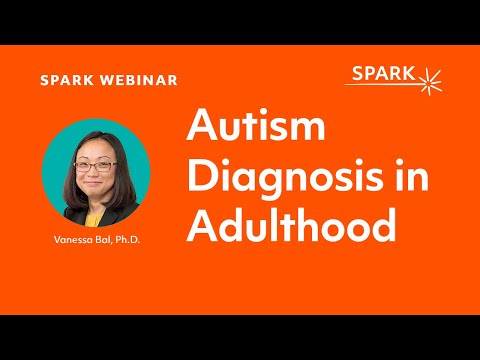
Understanding the process of adult autism diagnosis can feel like navigating a complex maze. For many, it’s filled with questions, emotions, and occasionally, uncertainty. Autism Spectrum Disorder (ASD) is frequently associated with children, but understanding it in adults is just as important. Many adults discover they might be on the spectrum later in life—sometimes after years of feeling different or struggling to fit in.
Diagnosis typically involves a multi-step process. This includes detailed assessments, interviews about developmental history, and observations of behavior. Each person’s experience is unique, much like a fingerprint. It’s vital to approach this journey with an open heart and mind.
However, be cautious. The landscape of autism diagnosis is diverse and continually evolving. It’s essential to consult various specialists—from psychologists to neurologists—and explore different credible resources to get a well-rounded understanding. Relying on one source may lead to misunderstandings or misleading conclusions. Staying informed through multiple perspectives will empower you on your journey toward clarity and support in your life or that of someone you care about.
The information provided in this article is intended solely for general informational and educational purposes. It does not constitute medical advice, diagnosis or professional treatment, and should not be considered a substitute for consultation with a qualified doctor or other licensed healthcare professional. Any health-related decisions should be made in consultation with accredited medical professionals.
While efforts have been made to ensure the information is accurate and up to date, no guarantees are given—either express or implied—regarding its accuracy, completeness, currency or suitability. Use of this information is at your own discretion.
It is strongly recommended to consult official sources such as the NHS (National Health Service) or other recognised medical institutions before acting on any information contained on this website or article. Under no circumstances should professional medical advice be ignored or delayed due to content read here.
This content is of a general and informational nature only. It is not intended to replace individualised guidance from a healthcare professional or to establish any doctor-patient relationship. The publication of this information does not imply any professional responsibility, guarantee or obligation on the part of the author or this site.
Navigating the Journey to Understanding Yourself Better
Understanding yourself better can be a rewarding journey. For many, this journey involves exploring the possibility of autism spectrum disorder (ASD). It’s important to remember that everyone’s experience is unique.
Autism is not a single thing. It’s a spectrum, meaning it covers a range of traits and abilities. Some people may find it helpful to look into whether they have characteristics associated with autism. Knowledge can empower you.
Many adults seek an ASD diagnosis when they notice patterns in their behavior or interactions that set them apart from others. This process can feel daunting but it often leads to greater understanding.
A diagnosis typically involves several steps:
1. **Self-assessment**: There are screenings available that can help you identify traits related to autism.
2. **Clinical evaluation**: This usually includes interviews and questionnaires with trained professionals.
3. **Feedback**: After an assessment, you’ll receive information on what the findings mean for you.
Seeking a diagnosis does not define you—rather, it helps explain certain aspects of your life. It’s like finding a missing piece of your personal puzzle.
Remember that myths often surround autism diagnoses:
In fact, many adults discover their traits later in life. This doesn’t mean they’ve been “wrong” all along; rather, it’s about gaining clarity on how they interact with the world.
If you’re thinking about this journey, it’s wise to approach it thoughtfully:
– Be gentle with yourself.
– Embrace curiosity over judgment.
– Understand that seeking help is okay and can lead to deeper self-awareness.
This journey is ultimately yours alone. Understanding autism might open new doors for connection and self-compassion. Above all else, trust your instincts as you explore this part of yourself!
Navigating the Journey to Understanding Autism Diagnosis
Understanding autism can be a journey, especially for adults seeking a diagnosis. The process isn’t always straightforward, but it’s important to know what to expect.
First, recognizing potential signs is key. Adults might notice challenges in social interactions or communication. They may also have specific interests or routines that seem unusual.
Next, research options for evaluation. There are various professionals who can conduct assessments, including psychologists and psychiatrists. It’s essential to find someone experienced in adult autism evaluations.
The assessment typically begins with an interview. This is where you’ll discuss your history and experiences. You might also complete questionnaires that help identify traits associated with autism.
Testing is another part of the process. This can involve cognitive tests and observations of behavior in different settings. Combining all this information helps create a clearer picture.
After the evaluation, you’ll receive feedback. This includes discussing whether you’re on the autism spectrum and what that means for you personally.
It’s normal to feel a mix of emotions during this time. Some find relief in understanding themselves better, while others may feel overwhelmed by the label.
Always remember that no two journeys are the same. Autism presents uniquely in each individual. Learning about it can empower one to seek support and develop coping strategies.
Support networks are crucial after diagnosis. Connecting with others who share similar experiences can provide comfort and practical advice.
Some people also choose therapy or counseling post-diagnosis to navigate life with new insights about oneself.
If you’re considering an evaluation, take your time choosing a qualified professional who makes you feel comfortable.
Remember, understanding yourself better is always a positive step forward! Addressing any questions or doubts along the way is vital as well; don’t hesitate to reach out for guidance from those ready to help you on this path!
A Compassionate Guide to Building Meaningful Connections
Building meaningful connections with others is essential for all of us. It can provide support, warmth, and understanding. For adults on the autism spectrum, creating these connections can sometimes be challenging.
Understanding autism is key to fostering relationships. Autism affects how individuals communicate and interact with the world. It’s not just about behavior; it’s about how someone processes social cues and emotions.
First, it’s important to recognize that everyone experiences autism differently. There is a wide range of abilities and challenges within the spectrum. Some may find social situations overwhelming, while others might be more comfortable but still struggle with nuances in communication.
When engaging with someone on the autism spectrum, patience is crucial. Take time to understand their perspective without rushing to judgment or conclusions. This allows for a deeper connection.
Consider these points when trying to build relationships:
Non-verbal communication can also vary widely among people with autism. A nod or smile might not mean what you think it does. Pay attention to body language and facial expressions as indicators of comfort or discomfort.
It’s helpful to create an environment that feels safe for everyone involved. Consistency and routine can provide predictability, which many individuals on the spectrum find comforting.
As friends or family members, your support makes a big difference in navigating social settings together. Encourage activities that both of you enjoy; this shared interest can become a bridge toward deeper connection.
Remember that building meaningful relationships takes time for everyone involved, especially when navigating the complexities of autism. Celebrate small victories along the way.
The journey toward understanding adult autism diagnosis is also significant for establishing connections. Knowing what this diagnosis entails can help you empathize better with their experiences.
Be informed about common challenges faced by adults diagnosed later in life:
Having compassion and being open-minded goes a long way in nurturing these connections. Each engagement is an opportunity for learning and growth—both for yourself and them.
Ultimately, fostering understanding helps create lasting bonds built on respect and kindness. While the process may seem intricate at first glance, patience often leads to beautiful relationships that enrich both lives involved.
It’s essential always seek knowledge while remaining empathetic towards each person’s unique journey through life—autism included!
Understanding the process of adult autism diagnosis is both crucial and complex. It involves a multi-step approach that can sometimes feel overwhelming.
Firstly, many adults seeking a diagnosis often have lived with their symptoms for years, which can lead to confusion and frustration. They may see differences in how they interact socially or process information but lack the vocabulary to describe these experiences.
The process typically begins with self-reflection and research. Adults may notice patterns in their behavior that align with autism spectrum disorder (ASD). It’s important for individuals to gather their thoughts and experiences. Bringing this information to a healthcare professional is a key step.
Next comes an assessment, which usually involves interviews and standardized tests. This phase helps professionals understand the individual’s developmental history, communication skills, and social interactions. Importantly, there isn’t a single test for autism; it’s more about piecing together various insights.
Diagnosis in adults can sometimes be complicated by co-existing conditions like anxiety or ADHD. It’s crucial to differentiate between symptoms of these conditions and those of autism itself. A thorough evaluation can help clarify this distinction.
After receiving a diagnosis, individuals often face mixed emotions—relief at understanding themselves better but also challenges as they navigate society with this new label. Support networks, whether through therapy or community groups, play an essential role in helping them adjust.
In conclusion, the journey towards understanding adult autism diagnosis is deeply personal yet universally significant. Encouraging open conversations about mental health can foster empathy and support for those on this path. Recognizing each individual’s unique experience promotes awareness while breaking down misconceptions surrounding autism in adults.