The information provided in this article is intended solely for general informational and educational purposes. It does not constitute medical advice, diagnosis or professional treatment, and should not be considered a substitute for consultation with a qualified doctor or other licensed healthcare professional. Any health-related decisions should be made in consultation with accredited medical professionals.
While efforts have been made to ensure the information is accurate and up to date, no guarantees are given—either express or implied—regarding its accuracy, completeness, currency or suitability. Use of this information is at your own discretion.
It is strongly recommended to consult official sources such as the NHS (National Health Service) or other recognised medical institutions before acting on any information contained on this website or article. Under no circumstances should professional medical advice be ignored or delayed due to content read here.
This content is of a general and informational nature only. It is not intended to replace individualised guidance from a healthcare professional or to establish any doctor-patient relationship. The publication of this information does not imply any professional responsibility, guarantee or obligation on the part of the author or this site.
Understanding High-Functioning Autism Symptoms: 5 Key Insights
Have you ever noticed a friend or family member acting a bit differently? Maybe they struggle with social cues or seem to have intense interests. It can be tough to figure out what’s going on, especially when it comes to autism spectrum disorder.
High-functioning autism is a term often used for individuals on the autism spectrum who can navigate daily life more easily than others. But that doesn’t mean they don’t face their own unique challenges.
This article dives into five key insights about high-functioning autism symptoms. We’ll explore what these symptoms look like and why understanding them is important. The more you know, the better equipped you are to support those around you.
Honestly, it’s crucial to approach this topic with empathy and openness. Everyone’s experience is different, and it’s okay not to have all the answers. Just remember, this content isn’t meant as medical advice. For any health concerns or decisions, consulting a healthcare professional is always essential.
Uncovering the Unique Signs and Experiences of Women on the Spectrum
Understanding Women on the Autism Spectrum
The experiences of women on the autism spectrum can differ quite a bit from those of men. It’s important to understand these unique signs and symptoms, since awareness helps everyone live better lives.
1. Social Communication Challenges
Women with high-functioning autism might struggle with social cues. They often find it hard to pick up on body language or facial expressions. This can lead to misunderstandings in conversations.
For instance, a woman may not realize when someone is upset by her words because she didn’t see the subtle signs. It’s important for friends and family to be patient and open about feelings.
2. Intense Interests
Many autistic individuals have specific interests that they are really passionate about. For women, this could be anything from a particular book series to a hobby like knitting or photography.
These interests offer comfort and can provide a safe space where they feel confident and knowledgeable. Just think of it like how some people have their favorite sports team that they follow closely.
3. Masking Behaviors
A common experience among women is “masking.” This means they might hide their true behaviors or traits in social settings to fit in better.
This can be tiring, similar to wearing an uncomfortable costume at a party just so you don’t stand out too much. Over time, this effort can lead to exhaustion and anxiety.
4. Anxiety and Depression Connections
Women on the spectrum are often more likely than men to face anxiety or depression. This could stem from feeling out of place due to masking or navigating social expectations.
If someone feels constantly like they’re trying hard just to keep up with others, it’s understandable that stress builds up!
5. Sensory Sensitivities
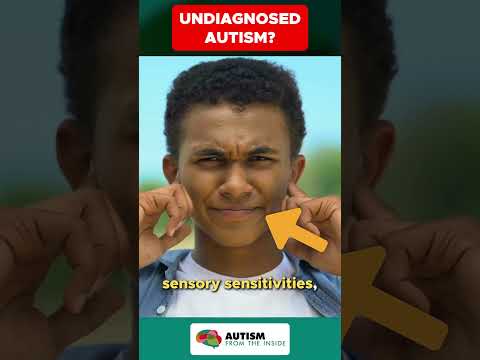
Sensory sensitivities can manifest in various ways—like being overwhelmed by bright lights or loud noises. For some women, certain textures in clothing may even feel unbearable.
This is kinda like when you wear new shoes that rub against your skin all day; it gets uncomfortable really fast! Understanding these sensitivities is crucial for creating supportive environments.
The Importance of Awareness
If we increase our understanding of how autism shows up in women, we help foster more inclusive communities. It’s important to listen and learn from their experiences; it benefits everyone involved!
Taking Action Together
- Create safe spaces for open discussions about feelings and experiences.
- Acknowledge individual interests without judgment—these help build confidence!
- Encourage self-advocacy; let’s empower women on the spectrum speak about their needs!
- Pursue education focused on recognizing sensory sensitivities within different settings.
The bottom line? Awareness leads us toward acceptance, understanding promote support, which helps everyone thrive together along this journey!
Recognizing the Subtle Clues in Your Child’s Behavior and Communication
Hey, as a parent, it’s only natural to be attuned to your child’s quirks and habits. Sometimes, these behaviors can hint at something deeper, like high-functioning autism. Understanding these signs can really help you connect with your child.
1. Unusual Response to Sensory Input
You might notice that your child reacts differently to sounds, lights, or textures. For instance, while other kids might giggle at a loud party, your child may seem stressed or withdrawn. This sensitivity could indicate a broader issue.
2. Focused Interests
Kids often dive into their favorite subjects with unyielding passion. If your child obsesses over certain topics—like dinosaurs or trains—it might just be their way of engaging deeply with the world.
3. Social Interaction Skills
Social cues can be tricky for children on the spectrum. They may struggle with maintaining eye contact or understanding jokes and sarcasm. It’s not that they don’t care; they might just process interactions differently.
4. Communication Styles
Your child’s speech patterns can also offer clues. Some kids may speak very formally or use advanced vocabulary for their age—even when it feels out of place! This may show how they express themselves in a unique way.
5. Changes in Routine
If your child becomes upset over changes in their daily routine—even minor ones—it’s worth paying attention to this behavior. Routines provide comfort and structure for many children, especially those who might be on the spectrum.
The Bigger Picture
The thing is: no single behavior defines high-functioning autism; it’s about patterns over time. If you see any of these signs consistently, it could help to talk openly with teachers or specialists who understand your child’s needs better.
- Be patient—recognizing these signs isn’t always easy.
- Cultivate an environment where open communication is encouraged.
- Acknowledge both strengths and challenges without labeling too soon.
- Create spaces for play that align with their interests but also introduce new activities gradually.
This journey isn’t always straightforward but staying observant and nurturing opens the door for better understanding of your child’s world—together!
Understanding the Subtle Signs and Everyday Challenges
Understanding High-Functioning Autism Symptoms
High-functioning autism, often associated with Asperger’s syndrome, can be tricky to grasp. People might not show obvious signs, which makes it harder for others to understand their experiences.
One key point to consider is social interaction. Folks with this condition may struggle with understanding social cues—like body language or tone of voice. Imagine someone telling a joke. While most people would pick up on the humor, someone with high-functioning autism might miss it entirely. This can lead to misunderstandings in conversations.
Emotional responses are another area where challenges arise. Many individuals might have difficulty expressing their feelings or recognizing the emotions of others. For instance, they could feel anxious in a crowded place but not know how to communicate that feeling effectively.
Routines and Repetitions
Having routines is common for many people, but for those on the autism spectrum, these structures can be essential. A sudden change in plans may cause significant distress. Consider a child who follows a specific routine every day after school; if that routine changes unexpectedly, it could lead to confusion and anxiety.
Sensory Sensitivities
Sensory issues are also prevalent among individuals with high-functioning autism. Everyday experiences—like bright lights or loud sounds—can become overwhelming. Imagine standing under a flickering fluorescent light while trying to focus; it’s enough to distract anyone! But for someone sensitive to sensory input, it might be unbearable.
Obsessive Interests
A lot of individuals develop deep interests in particular subjects or activities; this isn’t unusual at all! However, some people on the spectrum may focus so intently on these interests that it becomes challenging for them to engage in other activities or conversations.
The Journey Ahead
For family and friends supporting those with high-functioning autism, understanding these subtle signs is essential. Relationships often require patience and open communication; it’s important not only to listen but also encourage conversation about feelings when possible.
If you notice someone struggling with social cues or emotional expressions, asking questions can help create an opening for discussion; this can pave the way toward more meaningful connections.
Navigating everyday challenges may seem daunting at first glance but keeping an open mind can lead towards greater understanding and empathy over time.
Understanding high-functioning autism can be quite challenging, especially since it often goes undiagnosed for many years. Here’s a brief reflection on the key insights that can help illuminate this condition.
Insight 1: Diverse Symptoms
High-functioning autism usually involves a spectrum of symptoms. This means that no two people are alike. For some, it might show up as strong focus on specific interests, while others may struggle with social cues.
Insight 2: Social Interactions
Individuals often have difficulty with social interactions. They might not pick up on body language or tone of voice easily. It’s like being in a foreign country where you know some words but don’t grasp the full conversation.
Insight 3: Sensory Sensitivities
Sensory sensitivities are common. People may be overwhelmed by loud noises, bright lights, or certain textures. Imagine trying to concentrate in a room blasting music while feeling uncomfortable in your clothes; that’s how it can be for them.
Insight 4: Co-Occurring Conditions
Co-occurring conditions, such as anxiety or ADHD, frequently accompany high-functioning autism. This adds another layer of complexity to understanding their behaviors and needs.
Insight 5: Need for Acceptance
A key takeaway is the importance of acceptance and support from family and community. A little understanding goes a long way in making someone feel valued and included.
In essence, recognizing these insights creates opportunities for empathy and support for individuals navigating high-functioning autism. It’s about fostering an environment where they can thrive while embracing their unique traits.