The information provided in this article is intended solely for general informational and educational purposes. It does not constitute medical advice, diagnosis or professional treatment, and should not be considered a substitute for consultation with a qualified doctor or other licensed healthcare professional. Any health-related decisions should be made in consultation with accredited medical professionals.
While efforts have been made to ensure the information is accurate and up to date, no guarantees are given—either express or implied—regarding its accuracy, completeness, currency or suitability. Use of this information is at your own discretion.
It is strongly recommended to consult official sources such as the NHS (National Health Service) or other recognised medical institutions before acting on any information contained on this website or article. Under no circumstances should professional medical advice be ignored or delayed due to content read here.
This content is of a general and informational nature only. It is not intended to replace individualised guidance from a healthcare professional or to establish any doctor-patient relationship. The publication of this information does not imply any professional responsibility, guarantee or obligation on the part of the author or this site.
Have you ever stumbled upon a herb that seemed to offer a treasure trove of health benefits? Alchemilla, commonly known as lady’s mantle, is one such gem. This little plant has caught the attention of many for its potential to aid in various health issues. But here’s the catch: with benefits come challenges.
You might be wondering what makes Alchemilla so special. Well, it’s often touted for supporting women’s health, easing menstrual pain, and even promoting skin health. But do these claims hold water? Sometimes, information can be confusing or exaggerated. That’s why it’s crucial to sift through facts and fiction.
This article dives into the benefits, risks, and insights associated with Alchemilla. It’ll help you understand what this herb can do for you—if anything at all. Remember though: while this content aims to inform, it doesn’t replace medical advice. Always consult with a healthcare professional before making decisions about your health.
Let’s peel back the layers on Alchemilla together!
Discover the Surprising Ways Alchemilla Can Boost Your Well-Being
Understanding Alchemilla
Alchemilla, often known as lady’s mantle, is a plant that’s been part of herbal traditions for ages. It’s pretty fascinating how something so simple can have various benefits for well-being.
What are the Benefits of Alchemilla?
People often use alchemilla for its potential health benefits. For example, some believe it might help with menstrual discomfort and support reproductive health. It’s thought to have mild astringent properties. This means it could help tighten tissues and reduce inflammation.
A common way folks consume it is through teas or tinctures. Imagine sipping a warm herbal tea on a cozy evening; that could be your alchemilla moment! It’s like giving your body a little hug from the inside out.
Are There Risks Involved?
While many enjoy its use, it’s important to note that not everyone reacts the same way to herbal remedies. Some folks might experience stomach upset or allergic reactions. If you notice anything unusual after trying alchemilla, it’s always smart to stop using it and chat with someone knowledgeable.
Also, be cautious if you’re pregnant or nursing, as there’s limited research on how it affects those stages in life. Always good to keep that in mind!
Health Insights
The science around alchemilla isn’t vast but does show some promise. Studies indicate that its compounds might have antioxidant effects—this means they can help fight damage from free radicals (which are like troublemakers for our cells).
A great analogy is thinking about rust on metal; antioxidants work kind of like a protective coating that helps prevent damage over time.
The Bottom Line
If you’re curious about incorporating alchemilla into your wellness routine, do some research first! Understanding its potential benefits and risks is key to making informed choices.
- Look into how you can prepare it at home.
- Consider talking with someone familiar with herbs if you have questions.
- Pay attention to how your body responds if you try it out.
Your body is unique; what works for one person may not work for another—so listen closely! And remember: staying informed makes all the difference when exploring herbal options like alchemilla.
Understanding the Risks for Certain Individuals
with Alchemilla
Alchemilla, commonly known as lady’s mantle, is a plant often used in herbal remedies. It’s praised for its potential health benefits, particularly for women. However, it’s important to remember that not everyone may benefit from it equally.
Who Should Be Cautious?
Certain groups might need to approach Alchemilla with caution. If you’re pregnant or breastfeeding, it’s wise to consult with someone before using it. The effects on developing babies or infants aren’t well studied. It’s simply better to be safe than sorry.
People taking blood thinners should also pay attention. Alchemilla can potentially influence how your blood clots. Not exactly what you want while on medication that already changes those dynamics.
Are There Allergies?
Like other plants, some individuals may experience allergic reactions after coming into contact with Alchemilla or consuming it. Rashes or irritation could occur, and if you notice anything unusual after using it, stop right away and consider seeking advice.
Interactions with Medications
This herb can interact with various medications too. It’s crucial to think about what other prescriptions you’re currently on—some combinations might lead to unexpected results.
- If you’re on hormone therapy, combining that with Alchemilla could have implications due to its purported hormonal effects.
- Those dealing with diabetes should be careful as well; the plant might affect blood sugar levels in unpredictable ways.
Underlying Health Conditions
Your personal health history is significant here. If you’ve had liver issues or are prone to kidney stones, these conditions can be exacerbated by certain compounds found in Alchemilla.
A Final Note
The thing is: each person’s body responds differently. Some might have no issues at all while others could face complications without even realizing why. Just like checking food labels for allergens—it’s always good practice when incorporating something new into your routine.
If you’re considering adding this plant into your diet or wellness regimen, think of having a conversation about it first—better safe than sorry!
Uncovering the Hidden Benefits of Lady’s Mantle for Your Health
Lady’s Mantle: A Brief Overview
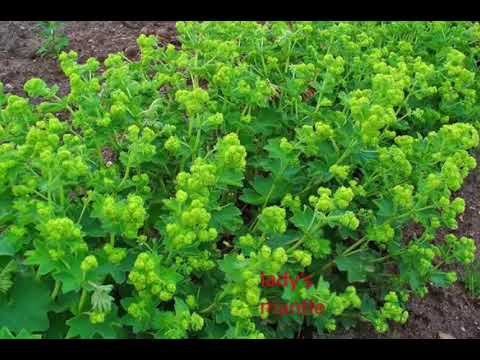
Lady’s mantle, scientifically known as Alchemilla, is a flowering plant that’s been used in traditional medicine for centuries. People often admire it for its soft, rounded leaves which catch water droplets beautifully. But beyond its looks, there’s more to this plant than meets the eye.
Potential Health Benefits
Many enthusiasts believe lady’s mantle offers several health benefits. For instance, it’s thought to have antioxidant properties. Antioxidants help combat free radicals in our bodies—those pesky molecules that can damage cells and contribute to aging.
Some say it may support women’s health especially during menstruation. It’s been traditionally used to help with symptoms like cramps or heavy bleeding. The idea is that compounds in the plant might alleviate discomfort.
Another fascinating aspect is its potential role in wound healing. Some studies suggest that extracts from lady’s mantle might promote skin repair and alleviate irritation. That said, more research is needed here.
Cautions and Risks
While lady’s mantle has many advocates, it’s important to approach it with care. Some people could experience allergic reactions or side effects like upset stomachs when using herbal remedies.
If you’re pregnant or breastfeeding, it’s wise to exercise caution. Certain herbs can interact with pregnancy in unexpected ways—so consult someone knowledgeable before trying any new remedy.
The Evidence Behind Claims
You might wonder how much science supports these benefits of lady’s mantle. While there are some studies examining its effects on health markers, results can vary widely among individuals. Honestly, more substantial clinical research is necessary to draw firm conclusions about its effectiveness.
A Natural Option Amidst Modern Medicine
If you’re considering adding lady’s mantle into your health routine, look at it as a supplement rather than a replacement for conventional medicine. Many people find comfort in natural remedies—but remember they should be part of a balanced approach with professional guidance when necessary.
Your Takeaway
The idea behind exploring plants like lady’s mantle lies in their historical use and anecdotal evidence of benefit—rather than hard science alone. It’s essential to listen to your body and stay informed about what you’re putting into it.
This herb definitely adds richness to conversations about herbal medicine but always keep an open mind and critical thinking at the forefront when evaluating such options!
Understanding Alchemilla: Benefits, Risks, and Health Insights
Alchemilla, often referred to as lady’s mantle, is a plant with rich historical uses in herbal medicine. It’s primarily known for its potential benefits related to women’s health. Traditionally, people have used it to treat menstrual issues and promote overall reproductive health.
This herb is believed to have anti-inflammatory and antioxidant properties. Antioxidants help your body fight damage from free radicals, which are molecules that can cause harm at the cellular level. For instance, some studies suggest that Alchemilla may help reduce menstrual cramps or improve symptoms of premenstrual syndrome (PMS). Isn’t it fascinating how nature provides such remedies?
However, it’s crucial to approach Alchemilla with caution. While many people find it beneficial, scientific research on its effectiveness is still limited. Sometimes what works for one person may not have the same effect on another.
In terms of risks, allergic reactions can occur in some individuals. If you’re pregnant or breastfeeding, it’s smart to steer clear or consult a healthcare professional before using it.
Like any herbal supplement, Alchemilla isn’t a substitute for medical treatment or advice. If someone considers using it for health reasons, they should talk with a healthcare provider first. This ensures a safe approach tailored to individual needs.
In essence, understanding Alchemilla involves weighing its potential benefits against possible risks. It’s all about making informed choices based on knowledge and personal health needs.