
The information provided in this article is intended solely for general informational and educational purposes. It does not constitute medical advice, diagnosis or professional treatment, and should not be considered a substitute for consultation with a qualified doctor or other licensed healthcare professional. Any health-related decisions should be made in consultation with accredited medical professionals.
While efforts have been made to ensure the information is accurate and up to date, no guarantees are given—either express or implied—regarding its accuracy, completeness, currency or suitability. Use of this information is at your own discretion.
It is strongly recommended to consult official sources such as the NHS (National Health Service) or other recognised medical institutions before acting on any information contained on this website or article. Under no circumstances should professional medical advice be ignored or delayed due to content read here.
This content is of a general and informational nature only. It is not intended to replace individualised guidance from a healthcare professional or to establish any doctor-patient relationship. The publication of this information does not imply any professional responsibility, guarantee or obligation on the part of the author or this site.
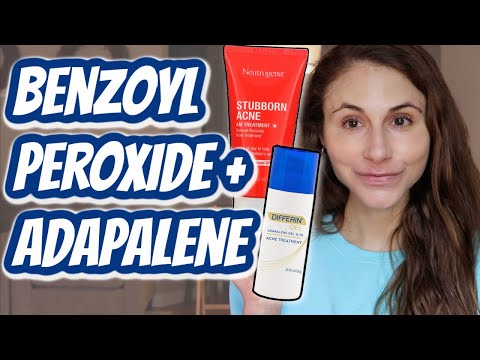
Are you tired of battling stubborn acne that just won’t budge? You’re not alone. Many people struggle with breakouts, and it can feel overwhelming. The good news? There are effective treatments out there, like adapalene-benzoyl peroxide.
This combination isn’t just a mouthful; it’s a powerhouse in the fight against acne. Adapalene is a retinoid that helps unclog pores, while benzoyl peroxide kills bacteria and reduces inflammation. Together, they tackle different aspects of acne to give your skin a fighting chance.
But before diving in, it’s crucial to understand how to use them safely. They’re not one-size-fits-all solutions and come with their own set of risks and side effects. Knowing what to expect is key for your skin journey.
This article will take you through the uses and potential risks of adapalene-benzoyl peroxide, helping you make informed choices about your skincare routine. Just a heads-up: this content doesn’t replace professional medical advice. Always consult with a healthcare provider for personalized guidance on your health decisions.
Understanding the Risks and Benefits for Your Skin Care Routine
Understanding Adapalene-Benzoyl Peroxide
Okay, let’s dive into what adapalene and benzoyl peroxide are. Both are used in skin care, especially for acne treatment. Adapalene is a topical retinoid, which means it helps with skin cell turnover. Benzoyl peroxide, on the other hand, kills bacteria. The combination can be powerful for improving skin health.
How They Work Together
When you use them together, they tackle acne from two angles. Picture it like this: adapalene works like a traffic cop directing skin cells to move along properly, while benzoyl peroxide is like a cleanup crew that zaps away the bad bacteria causing breakouts.
The Benefits
- Reduces Acne: The main goal here is to decrease breakouts.
- Smoother Skin: You might notice your skin feels smoother over time.
- Pore Control: Helps prevent clogged pores which lead to pimples.
- Less Inflammation: May reduce redness and swelling related to acne.
The Risks
No treatment comes without risks. Some folks may experience dryness or irritation when starting these products. It’s pretty common actually. Think of it as your skin getting used to something new.
An important point to note: not everyone will have the same reaction. What works for one person might not work for another; our skin’s unique!
What To Expect When Starting Out
If you decide to try this combo, you might want to ease into it slowly. Start by using them just a few times a week and then gradually increase usage as your skin adjusts. This can help minimize irritation—because nobody wants flaky or red skin!
A Real-Life Scenario
Hello there! Imagine you’re in high school dealing with acne on prom night countdown—you’re desperate! Your friend shares how adapalene and benzoyl peroxide worked wonders for her right before an important event like yours!
This can sound appealing but remember that individual results will vary, and the road there may have bumps depending on your unique skin type so be patient.
Misinformation Surrounding These Products
- Myth: More product equals better results.
- This isn’t true; actually overusing can cause more harm!
- Myth: These medications are only for teenagers.
- Nope, adult acne is real too! Everyone experiences trouble with their skin at some point in life.
Your Skin’s Care Routine
Additions like moisturizers or sunscreens are essential when incorporating adaptations into your routine—this minimizes potential dryness and irritation caused by active ingredients in those products.
If you’re ever unsure about what’s best for your specific situation though? Consult with someone who knows about these things because they’ll provide personalized advice suited just for you!
The journey towards healthier skin can be complex but understanding each component certainly helps navigate that path better! Stay informed and always listen to what your body communicates through its changes along the way.
Uncovering the Truth Behind This Popular Acne Treatment
Understanding Adapalene-Benzoyl Peroxide
Acne can be a frustrating skin issue, right? You’re not alone. Many people seek treatment options, and one popular choice combines adapalene and benzoyl peroxide. Let’s break this down.
What is Adapalene?
Okay, so adapalene is a type of retinoid. It basically helps your skin cells turn over more effectively. Think of it like a little assistant that encourages your skin to renew itself faster. This can help clear up acne and even improve skin texture.
What About Benzoyl Peroxide?
Benzoyl peroxide doesn’t mess around when it comes to bacteria. It fights the bacteria that cause acne while also reducing inflammation. Imagine it as an antibacterial guardian, making sure those pesky acne-causing germs don’t have a party on your skin.
How Do They Work Together?
The combination of these two ingredients can be particularly effective in treating acne. Since they target different aspects—adapalene for cell turnover and benzoyl peroxide for killing bacteria—they complement each other well.
The Benefits
- This combo may lead to clearer skin over time.
- It can help prevent future breakouts by addressing multiple causes of acne.
- Adapalene typically irritates less than other retinoids, which is a plus.
Pitfalls to Consider
No treatment is without risks or side effects, you know? Some folks may experience dryness, redness or peeling when first starting this treatment. It happens because your skin needs time to adjust to the active ingredients.
Using Adapalene-Benzoyl Peroxide Correctly
If you’re intrigued by this combination, it’s important to use it correctly. Often it’s best applied at night after cleansing your face. Just remember: start with a small amount! And if your skin feels too irritated, give yourself some breaks in between applications.
Misinformation Around Acne Treatments
You might have heard wild claims about acne treatments — like how one product can fix all issues overnight! That’s usually not how skincare works; patience is key here! While adapalene and benzoyl peroxide are powerful allies against acne, they require consistent use over time for results without unrealistic expectations.
The Bottom Line
This combo treatment offers a dual-action approach that many find helpful in managing their acne journey. Just keep in mind that every person’s skin is different; what works wonders for one person might not work as well for another!
If you decide to try it out, pay attention to how your skin reacts over time — that’s super important! Consulting with someone knowledgeable about skincare could also provide valuable insights tailored just for you!
Understanding When Adapalene Isn’t Right for You
Adapalene is a popular topical retinoid often used for acne treatment. It’s known for its ability to promote skin cell turnover and reduce inflammation. But it’s not for everyone. Let’s explore when using adapalene might not be the best choice.
Skin Sensitivity
If you have very sensitive skin, adapalene might irritate you more than help you. Redness, peeling, and dryness can occur, especially in the beginning. It’s like trying to wear a scratchy sweater; it just doesn’t feel good. If you’re prone to irritation, other treatments could work better.
Existing Skin Conditions
If you have conditions like eczema or rosacea, that’s another reason to be cautious with adapalene. These conditions already make your skin reactive. Think of it like throwing gasoline on a fire; it can exacerbate flare-ups rather than calm them down.
Pregnancy and Breastfeeding
During pregnancy or while breastfeeding, there’s some debate about the safety of retinoids like adapalene. While studies suggest that topical use minimizes risks, many healthcare providers recommend avoiding it altogether just to be safe.
Combination with Other Treatments
If you’re using other acne treatments or products with strong exfoliating agents, combining them with adapalene can increase irritation risk. It’s similar to mixing oil and water; they don’t blend well together! Always talk to someone familiar with your skincare routine.
Allergic Reactions
An allergy to adapalene or its ingredients is another big no-no for use. Signs of an allergic reaction could include hives or severe itching after applying the product. If this happens, stop using it immediately and consult someone who knows your history well.
Your Unique Skin Journey
The thing is, everyone’s skin is different! What works wonders for one person may not do much at all for another—it’s part of what makes skincare so personal. If you’ve tried other options without success, consider discussing alternatives that may suit your needs better.
- Total past experiences matter: if you’ve had bad reactions before
- Your lifestyle influences effectiveness: sun exposure can make things tricky
- A patch test might save you discomfort: try a small area first
- Certain medications can cause complications when combined
In the end, understanding when adapalene isn’t right for you involves recognizing your own skin’s quirks and needs. Consult someone who knows about these things if in doubt!
Understanding Adapalene-Benzoyl Peroxide: Uses and Risks
Adapalene and benzoyl peroxide are two medications often combined in the treatment of acne. It’s important to understand how they work together, their benefits, and potential risks.
What is Adapalene?
Adapalene is a topical retinoid. That means it helps regulate skin cell turnover. Think of it like a gentle scrub for your skin at the cellular level. It unclogs pores, reduces inflammation, and promotes new skin growth.
And Benzoyl Peroxide?
Benzoyl peroxide is an antibacterial agent. It helps kill the bacteria that cause acne and reduces oiliness by drying out excess sebum on the skin’s surface. Imagine it as a sponge soaking up oil while also fighting off unwanted guests—like those pesky bacteria.
The Benefits of Combining Them
Together, these two ingredients can be very effective. They target multiple causes of acne simultaneously. Adapalene addresses clogged pores while benzoyl peroxide fights infection. Many people find that this combination leads to clearer skin over time.
Possible Side Effects
Like any medication, using adapalene-benzoyl peroxide has risks. Some common side effects include redness, dryness, peeling, or irritation of the skin. Think about how your skin reacts after sunburn; it’s similar but can happen even without sun exposure.
It’s crucial to apply them as directed—usually once daily at night—because overuse can worsen these effects.
When to be Cautious
If you have super sensitive skin or are pregnant, consult with a healthcare provider first. Sometimes people might experience severe reactions like blistering or excessive peeling which require immediate attention.
The Bottom Line
This combo treatment can help many individuals manage their acne effectively but understanding its use is key to success while minimizing risks. Regular follow-ups with a healthcare professional ensure safe usage for best outcomes.

