
The information provided in this article is intended solely for general informational and educational purposes. It does not constitute medical advice, diagnosis or professional treatment, and should not be considered a substitute for consultation with a qualified doctor or other licensed healthcare professional. Any health-related decisions should be made in consultation with accredited medical professionals.
While efforts have been made to ensure the information is accurate and up to date, no guarantees are given—either express or implied—regarding its accuracy, completeness, currency or suitability. Use of this information is at your own discretion.
It is strongly recommended to consult official sources such as the NHS (National Health Service) or other recognised medical institutions before acting on any information contained on this website or article. Under no circumstances should professional medical advice be ignored or delayed due to content read here.
This content is of a general and informational nature only. It is not intended to replace individualised guidance from a healthcare professional or to establish any doctor-patient relationship. The publication of this information does not imply any professional responsibility, guarantee or obligation on the part of the author or this site.
Understanding Angioplasty and Stents for Peripheral Artery Disease
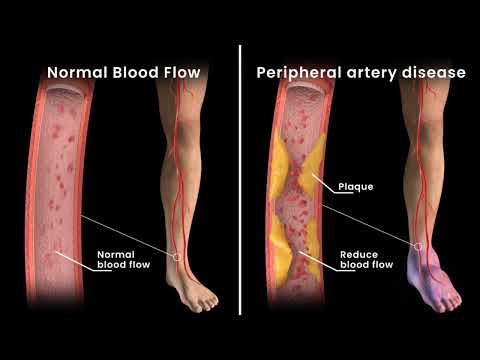
Have you ever felt a twinge of pain in your legs when walking, and wondered if it was something serious? It’s more common than you might think. Peripheral artery disease (PAD) affects millions, narrowing the blood vessels in your limbs. This can lead to reduced blood flow, causing discomfort and affecting your quality of life.
Now, imagine a solution that could help restore that lost blood flow and ease your pain. That’s where angioplasty and stents come in. These are minimally invasive procedures designed to open up narrowed arteries and keep them open, allowing blood to flow freely again.
This article breaks down what angioplasty and stenting are all about specifically for those facing PAD. We’ll explore how these procedures work, why they’re essential, and what you can expect if you’re considering them.
Remember, though: this content is informative but doesn’t replace medical advice. It’s important to consult with a healthcare professional regarding any health decisions or concerns you might have.
Uncovering the Hidden Risks of Leg Stent Procedures
Understanding Leg Stent Procedures
Leg stents are used to treat blockages in the arteries, often caused by peripheral artery disease (PAD). PAD is a condition where blood flow to the legs is reduced, leading to pain and other issues. So, how do these stents work?
A stent is basically a tiny mesh tube that’s inserted into an artery after it’s been widened through a procedure called angioplasty. Angioplasty involves using a balloon to open up the blocked artery. Once it’s opened, the stent helps keep it from closing back up.
The Risks Involved
Although leg stent procedures can be beneficial, they come with some risks you should know about. One of the hidden risks is infection. Anytime you have a procedure that involves inserting something into your body, there’s a chance of infection.
Another concern can be blood clots. Sometimes, after placing a stent, the body might react and create clots around it. This could potentially lead to serious complications if not managed correctly.
Also, there’s the risk of re-narrowing of the artery – known as restenosis – which can happen even with a stent in place. It’s like planting flowers in your garden: even if they’re healthy now, weeds can still grow back.
Other Considerations
Just because you get a stent doesn’t mean your work is done. It often requires lifestyle changes too—like healthier eating or quitting smoking—to help maintain good blood flow and overall cardiovascular health.
You might also need to take medications such as antiplatelet drugs to prevent clots from forming around the stent. Not everyone likes taking daily pills—we get that—but they’re crucial for some people post-procedure.
The Bottom Line
If you’re considering or have undergone leg stenting for PAD, understanding both its benefits and risks is important. Just remember—it isn’t an instant fix but part of a broader strategy for managing your health.
Sometimes knowing what could go wrong gets us thinking more critically about our choices and helps drive better decisions down the line.
Understanding the Hidden Dangers of Leg Angioplasty in Older Adults
Leg angioplasty is a procedure used to treat narrowed or blocked arteries in the legs, often due to peripheral artery disease (PAD). Think of it like plumbing—if pipes are clogged, water can’t flow freely. Similarly, if blood vessels are blocked, blood can’t deliver oxygen effectively.
So, what’s the procedure? During angioplasty, a doctor inserts a tiny balloon into the affected artery and inflates it. This opens the artery and restores blood flow. Often, they’ll also place a stent—a small wire mesh tube—to keep the artery open.
The Benefits
For many older adults, this can relieve leg pain during activities like walking, or help with other symptoms related to PAD. But there’s more to consider.
Potential Risks
The thing is, like any medical procedure, leg angioplasty isn’t without risks. Older adults may face complications such as bleeding at the insertion site or reactions to anesthesia. These risks can be higher because their bodies might not recover as quickly as younger folks.
- Blood Clots: After angioplasty, there’s a chance clots can form around the stent. This could block blood flow again.
- Infection: Any time skin is punctured during surgery—like with angioplasty—there’s a risk of infection.
- Narrowing Again: Sometimes arteries can narrow again after being treated. It’s like trying to push toothpaste back into its tube—it doesn’t always work well.
Aging Factors
Younger people tend to recover better from surgeries than older adults do. Their bodies are usually stronger and more resilient. As we age, our tissues heal slower and our immune systems become less effective.
If you’re considering this option for someone older in your family—or for yourself—it’s crucial that you weigh these risks with potential benefits seriously. Talk about it openly with healthcare providers and ask questions until you fully understand what’s at stake.
Your Role in Decision Making
Having conversations about health options can feel daunting but don’t shy away from seeking clarity on leg angioplasty or any other treatment-related concerns. You might even want to write down questions beforehand: What are my specific risks? How will this impact daily life?
Sometimes it’s helpful to think about alternatives too—like lifestyle changes including diet or exercise that could potentially improve vascular health without procedures like angioplasty.
A Final Note
This whole process isn’t just about treating one issue; it’s part of broader health management for older adults facing multiple challenges together. By staying informed and engaged in discussions about care pathways, you’re not just reacting—you’re participating actively in health decisions!
Understanding the Odds of Effective Leg Angioplasty Treatments
Understanding Leg Angioplasty Treatments
Angioplasty is a procedure used to open narrowed or blocked arteries, particularly in the legs. It’s often suggested for people with peripheral artery disease (PAD). PAD mean that the arteries in your legs are tightened or blocked, which can really limit blood flow.
The whole process usually involves inserting a small balloon into the affected artery. When the balloon is inflated, it pushes against the walls of the artery and opens it up—kind of like blowing up a balloon makes it bigger.
The Role of Stents
Sometimes, doctors also use stents during angioplasty. A stent is a tiny mesh tube that helps keep the artery open after they remove the blockage. Think of it like putting a support beam in an old house’s wall to prevent it from collapsing.
Odds of Effectiveness
The effectiveness of leg angioplasty treatments can vary quite a bit. Many people find relief from symptoms like pain or cramps in their legs after angioplasty. But here’s the thing: not everyone experiences lasting results.
- Some studies suggest that about 70-80% of patients see improvement right away.
- However, over time, some may experience re-narrowing of the artery.
- This might happen anywhere from several months to years later.
Factors Influencing Success
A few factors can influence how well this treatment works for someone. Personal health conditions, lifestyle choices (like smoking and exercise), and even how severe the blockage is play roles here.
If you have other health issues—like diabetes or high blood pressure—these could make things more complicated. It’s sort of like trying to fix a bike with multiple problems; fixing one part doesn’t always solve everything!
What Patients Should Know
If you’re considering leg angioplasty, it’s important to have an open chat with your healthcare provider. They can help you understand what you might expect based on your unique situation. Getting all your questions out there can really help ease your mind.
- Ask about success rates for your specific condition.
- Discuss potential complications: every procedure has risks!
- Consider lifestyle changes that might improve outcomes long-term.
No one size fits all when it comes to medical treatments! Understanding what’s ahead can make things less daunting and helps you feel more empowered in making decisions about your health. Just remember, staying informed is key here!
Understanding Angioplasty and Stents for Peripheral Artery Disease
Angioplasty and stenting are common procedures used to treat peripheral artery disease (PAD). PAD occurs when arteries that supply blood to the legs and other body parts become narrowed or blocked, often due to plaque buildup. This condition can lead to pain, mobility issues, or even more severe complications.
Angioplasty involves the insertion of a small balloon into the affected artery. Once in place, the balloon is inflated, which opens up the narrowed section. Think of it like blowing up a balloon inside a constricted tube—the pressure expands the vessel, restoring blood flow.
Stenting goes a step further. After angioplasty, a small mesh tube called a stent is often placed in the artery. This keeps it open and helps prevent future blockages. It’s similar to putting scaffolding around a building; it provides structure and support.
The combination of these two procedures can significantly relieve symptoms associated with PAD. Patients often report improved walking distance and reduced leg pain after treatment. However, not every case of PAD requires these interventions; sometimes lifestyle changes or medication may be enough.
As with any medical procedure, there are risks involved with angioplasty and stenting—like bleeding or infection at the site where catheters are inserted. Plus, there’s always a chance that arteries could narrow again over time. Regular follow-up care is essential.
The importance of understanding such procedures cannot be overstated. Patients equipped with knowledge about their options can make better decisions about their health. It fosters trust between them and healthcare providers while ensuring they’re active participants in their treatment plans.
In sum, angioplasty with stenting can significantly help individuals suffering from peripheral artery disease by improving blood flow and quality of life but should be considered thoughtfully within the context of each patient’s unique situation.
