Angioplasty: A Lifeline for Heart Health
Imagine your heart as a bustling city, with blood vessels acting like highways that transport essential supplies. Sometimes, these highways can get clogged—think of a traffic jam caused by debris. When this happens, the heart struggles to get the blood and oxygen it needs to function properly. This is where angioplasty comes in, a medical procedure that can help clear those blockages and restore smooth traffic flow.
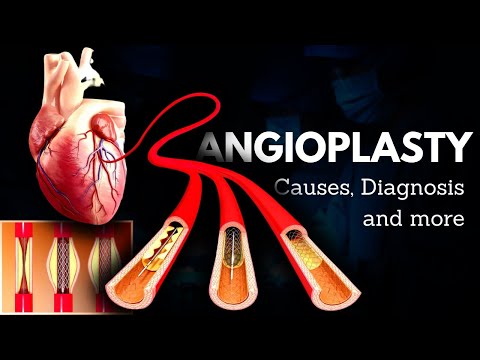
During angioplasty, a small balloon is gently inserted into the narrowed artery and inflated to widen it. In many cases, doctors then place a tiny mesh tube called a stent to keep that artery open. This life-changing procedure can relieve symptoms like chest pain and shortness of breath while reducing the risk of heart attacks.
However, it’s crucial to approach angioplasty with caution. While it can be an effective treatment option, it’s not suitable for everyone or every situation. Outcomes can vary depending on individual health factors and the extent of arterial blockage. Before deciding on this procedure or any other heart treatment, take time to educate yourself. Seek advice from different specialists and consult multiple reputable sources. Understanding your options ensures you make informed choices about your heart health. Remember, knowledge is power!
The information provided in this article is intended solely for general informational and educational purposes. It does not constitute medical advice, diagnosis or professional treatment, and should not be considered a substitute for consultation with a qualified doctor or other licensed healthcare professional. Any health-related decisions should be made in consultation with accredited medical professionals.
While efforts have been made to ensure the information is accurate and up to date, no guarantees are given—either express or implied—regarding its accuracy, completeness, currency or suitability. Use of this information is at your own discretion.
It is strongly recommended to consult official sources such as the NHS (National Health Service) or other recognised medical institutions before acting on any information contained on this website or article. Under no circumstances should professional medical advice be ignored or delayed due to content read here.
This content is of a general and informational nature only. It is not intended to replace individualised guidance from a healthcare professional or to establish any doctor-patient relationship. The publication of this information does not imply any professional responsibility, guarantee or obligation on the part of the author or this site.
Rediscovering Everyday Joys and Embracing New Possibilities After Heart Surgery
Heart surgery, like angioplasty, can feel overwhelming. It’s a life event that can change how you view your health and your life. But it’s also an opportunity to rediscover joy and embrace new possibilities.
Angioplasty is a procedure that opens blocked arteries. It helps restore blood flow and can reduce symptoms like chest pain. After recovery, many find they have more energy and feel lighter in spirit.
After surgery, it’s normal to experience mixed emotions. You might feel grateful for the care you received but also anxious about what’s next. This is an important time to acknowledge those feelings.
This period of recovery offers a chance to reconnect with everyday joys. Consider taking leisurely walks in nature or enjoying simple hobbies like reading or gardening. These activities provide not just enjoyment but also promote heart health through gentle exercise.
Here are some tips for embracing new possibilities:
Every small step counts toward feeling good again. Remember to listen to your body as you gradually increase activity levels.
It’s also essential to focus on nutrition after heart surgery. Eating well can enhance your overall well-being. Consider introducing more fruits, vegetables, and whole grains into your meals.
Mindfulness practices such as meditation or deep-breathing exercises can help reduce stress too. This mental clarity will support you during this transition.
Many people find comfort in sharing their experiences post-surgery with others in similar situations. Support groups offer connections that foster healing and encouragement.
Recovery doesn’t mean going back to exactly how things were before surgery; it means evolving into a healthier version of yourself. Exploring new interests or rekindling old passions can be part of that journey.
Lastly, remember that it’s okay to seek help if needed—whether from healthcare professionals or loved ones—during this time of adjustment.
Embrace this opportunity for renewal with an open heart and mind! The road ahead may be different but filled with potential for happiness and health.
Exploring the Impact of Angioplasty on Heart Health and Recovery
Angioplasty is a common procedure used to treat narrowed or blocked arteries in the heart. It can significantly improve heart health, especially for those with coronary artery disease.
During angioplasty, a thin tube called a catheter is inserted into the blocked artery. A small balloon at the tip of this catheter is inflated to open up the artery. Sometimes, a stent (a small mesh tube) is placed to keep the artery open.
Benefits of angioplasty include:
Recovery after angioplasty varies from person to person. Most patients go home within a day but may need some time off work. It often takes a few weeks before returning to normal activities.
The recovery process includes:
It’s essential for patients to adopt heart-healthy habits after angioplasty. This includes eating a balanced diet, exercising regularly, and avoiding smoking.
Mistakes in understanding angioplasty include:
While many people experience significant improvements in their symptoms and quality of life after angioplasty, it’s not guaranteed for everyone. Some may still need medications or other therapies alongside it.
Remember, each person’s situation is unique. Always discuss your specific health needs with your healthcare provider for tailored advice and guidance. Being informed helps you take charge of your heart health journey effectively.
Simple Steps for a Stronger Heart After Angioplasty
After undergoing angioplasty, it’s important to take steps that support your heart health. Angioplasty can improve blood flow, but maintaining a strong heart is an ongoing journey. Here are some simple steps you can follow.
1. Eat a Heart-Healthy Diet.
Focus on whole foods like fruits, vegetables, whole grains, and lean proteins. Think of your plate as a colorful garden. The more colors you have, the more nutrients you get!
2. Stay Active.
Regular exercise strengthens your heart. Aim for at least 150 minutes of moderate activity each week. Walking, swimming, or cycling can be enjoyable ways to do this.
3. Manage Stress.
Chronic stress can harm your heart health. Try relaxation techniques like deep breathing or meditation to calm your mind. Think of stress management as giving your heart a breather.
4. Quit Smoking.
If you smoke, seek help to quit. Smoking damages blood vessels and reduces oxygen in the blood—like putting a wrench in the engine of a car.
5. Monitor Your Blood Pressure and Cholesterol.
Keep track of these numbers with regular check-ups. High levels may increase heart disease risk over time.
6. Take Medications as Prescribed.
Follow your healthcare provider’s advice on any medications after angioplasty. This is part of keeping your heart well-protected.
7. Get Enough Sleep.
Aim for 7-9 hours of good quality sleep per night to help repair and rejuvenate your body.
Remember, each person’s recovery is unique and it’s okay to ask questions about what feels right for you after an angioplasty procedure.
Taking care of your heart is about making small lifestyle changes that add up over time. Being informed allows you to make better choices on this journey toward improved health!
Angioplasty is a critical procedure in modern heart health that can significantly improve the quality of life for individuals with coronary artery disease. It serves as a lifeline for patients who may have experienced symptoms like chest pain or shortness of breath due to narrowed or blocked arteries.
The procedure itself involves inserting a small balloon into the affected artery and inflating it to open the blockage. Often, a stent—a small mesh tube—may be placed to keep the artery open. This can restore blood flow quickly and effectively, reducing the risk of heart attacks and other serious complications.
Understanding angioplasty requires recognizing its role in conjunction with lifestyle changes and medication. While angioplasty can address immediate issues, it is not a standalone solution. Patients must also commit to heart-healthy habits such as improved diet, regular exercise, and smoking cessation to truly benefit from the procedure.
There are also myths around angioplasty that need addressing. Some people believe it’s an easy fix that negates the need for ongoing health management, which is not true. This thinking can lead to complacency regarding cardiovascular health.
Therefore, ongoing patient education about angioplasty’s purpose and its limitations is vital. By fostering informed discussions about this lifesaving intervention, we empower individuals to make responsible health decisions that encompass both immediate treatment options and long-term preventive measures.