The information provided in this article is intended solely for general informational and educational purposes. It does not constitute medical advice, diagnosis or professional treatment, and should not be considered a substitute for consultation with a qualified doctor or other licensed healthcare professional. Any health-related decisions should be made in consultation with accredited medical professionals.
While efforts have been made to ensure the information is accurate and up to date, no guarantees are given—either express or implied—regarding its accuracy, completeness, currency or suitability. Use of this information is at your own discretion.
It is strongly recommended to consult official sources such as the NHS (National Health Service) or other recognised medical institutions before acting on any information contained on this website or article. Under no circumstances should professional medical advice be ignored or delayed due to content read here.
This content is of a general and informational nature only. It is not intended to replace individualised guidance from a healthcare professional or to establish any doctor-patient relationship. The publication of this information does not imply any professional responsibility, guarantee or obligation on the part of the author or this site.
Have you ever wondered what your doctor hears when they listen to your heart? It’s like eavesdropping on a secret conversation. Each sound tells a story about your health.
Auscultation is the name of this fascinating process. It’s not just about listening to your heartbeat; it involves checking out your lungs, arteries, and more. This skill helps healthcare providers spot potential issues before they become serious. Think of it as tuning into the orchestra of your body, where each note reveals important insights.
This article dives into the art and science of auscultation. We’ll break down the sounds doctors listen for and what they mean for you. Understanding this can empower you to be more informed about your health.
But hey, remember: while knowing about auscultation is useful, this information doesn’t replace medical advice. Always consult a healthcare professional for any concerns or symptoms you might have.
Let’s get started on uncovering how these sounds can be key to diagnosing health issues!
Discovering the Sounds of Your Lungs: A Journey into Auscultation Sites
Understanding Auscultation
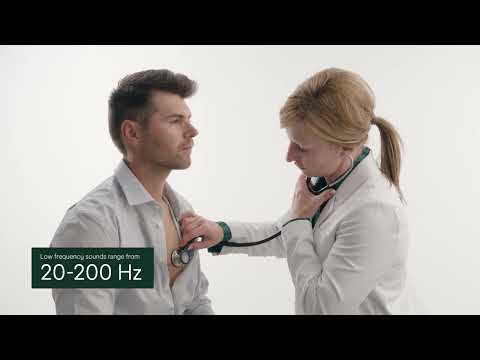
Auscultation is basically listening to sounds within the body, usually with a stethoscope. It’s like tuning in to your own radio station—except instead of music, you’re hearing heartbeats and lung sounds. This process helps healthcare providers spot problems early on.
The Importance of Lung Sounds
Lungs make different sounds when you breathe. Healthy lungs create smooth and clear sounds, kind of like a calm river flowing. If there are issues, the sounds might change—think of it as rocks being thrown into that river.
These changes can indicate various conditions, such as infections, asthma, or even heart failure. So listening closely can reveal quite a bit about someone’s health.
Auscultation Sites
There are specific places on the chest where healthcare providers listen most closely to lung sounds. These are called auscultation sites. Let’s break them down:
- Anterior Lung Fields: Located on the front of your chest; these help assess the upper lobes of your lungs.
- Posterior Lung Fields: Found on your back; they allow access to the lower lung zones.
- Lateral Lung Fields: Side areas which provide insight into middle lung regions.
Sounds You Might Hear
The two primary types of normal lung sounds are vesicular and bronchial. Vesicular breathing is soft and rustling—the sound made while air fills tiny air sacs called alveoli. On the other hand, bronchial breath sounds are louder and hollow—they’re created in larger airways.
Abnormal Sounds
If you’re hearing wheezing or crackling noises while listening, that’s where things get more interesting—or concerning! Wheezing often signals narrowing airways, sometimes due to asthma or allergies. Crackles might indicate fluid in spaces where it shouldn’t be; think pneumonia or heart issues.
Your Journey through Auscultation
If you ever find yourself getting checked out by a healthcare provider, don’t hesitate to ask about what they hear during auscultation! It’s a fascinating way to touch on how well your lungs are functioning—and sometimes even learn something new about yourself!
Cautions About Self-Diagnosis
Auscultation isn’t just about listening; it’s about interpreting those sounds too—and that requires experience! While it’s valuable knowledge for understanding health better, don’t rush to conclusions based only on what you hear yourself.
The Bottom Line
Auscultation opens up an audible window into your lungs’ health status. From clear breaths that sing like birds in springtime to harsh wheezes that raise alarms, these sounds tell a story worth knowing!
Listening to the Breath of Life: Unlocking Lung Sounds for Better Health
Understanding Lung Sounds
Listen, it’s fascinating how our lungs make sounds. These noises can tell us a lot about what’s happening inside our bodies. Have you ever heard a wheeze or a crackle? Those are more than just random sounds; they’re clues to our health.
The Basics of Auscultation
Auscultation is a fancy term for listening to sounds from the heart, lungs, and other organs. It’s usually done with a stethoscope. When you breathe in and out, your lungs create sounds that can indicate various issues.
Types of Lung Sounds
- Normal Breath Sounds: These are smooth and even. They basically let us know that everything is functioning well.
- Wheezes: A wheezing sound often happens when air passes through narrowed airways. It can be common in asthma or allergies.
- Crackles: Think of these as popping sounds while breathing. They might indicate fluid in the lungs, associated with conditions like pneumonia or heart failure.
- Stridor: This is a high-pitched sound often heard when someone has an obstruction in their airway.
Why Listen to Your Lungs?
You may wonder why it matters so much to listen to breathing sounds. Well, different lung sounds can help healthcare professionals identify issues early on. Early detection often means better management of health problems.
Your Breathing Patterns
Paying attention to your own breathing patterns at home can be useful too! If you notice changes like increased shortness of breath or new sounds while breathing, it’s worth discussing with someone knowledgeable.
The Connection to Health Issues
Certain lung sounds may correlate with specific health conditions. For example, wheezing during exercise might suggest asthma, while crackles could indicate an infection or inflammation. Understanding these connections helps people make informed decisions about seeking care.
The Value of Professional Assessment
If you hear something unusual while listening to your breath, don’t panic! It’s always smart to consult someone who understands these details better, like your local healthcare provider. They’ll conduct a thorough assessment and interpret those lung sounds more accurately than most of us can alone.
Misperceptions and Myths
A lot of people think that only doctors need to understand lung sounds—but that’s not true! Anyone who values their health should have some familiarity with what these noises mean without stressing too much over them alone.
The Importance of Context
Lung sounds must be evaluated in context—meaning symptoms like fever or persistent cough matter too! Just hearing a wheeze doesn’t automatically mean there’s a severe problem; it needs further investigation together with other signs and symptoms!
Your Partner in Health
Your breath says lots about your overall health—it’s more than just air going in and out! Understanding what those sounds signify allows you not only be proactive but also enhances communications during appointments too!
Unlocking the Secrets of Heart Sounds: A Journey Through Five Key Areas
Understanding Heart Sounds
Heart sounds are sounds made by the heart as it beats. They’re really important clues for understanding how the heart is functioning. When a doctor or nurse listens with a stethoscope, they can hear two main sounds: “lub” and “dub.” These correspond to the closing of valves in the heart.
But there’s more than just these two sounds. Sometimes, additional noises, like murmurs or extra beats, can be heard. Each sound can tell a story about what’s happening inside your body.
Auscultation Basics
Auscultation is the act of listening to internal body sounds, especially heart and lung sounds. Think of it like tuning into a radio station; you need to know what frequencies to listen for!
Doctors use auscultation to gather information about blood flow and valve function. If something is off—like a valve not closing properly—it may create an abnormal sound.
The Role of Murmurs
Murmurs are unusual noises that often indicate turbulent blood flow. Picture water rushing through a narrow pipe—that’s kinda how it works! There could be many reasons for this turbulence, from innocent causes to serious conditions.
If you hear a murmur during an exam, it doesn’t always mean there’s something wrong; many people have harmless murmurs known as “innocent murmurs.”
Extra Heart Sounds
Beyond the regular “lub-dub,” some people have extra heart sounds called gallops or rubs. A gallop might indicate heart failure or fluid around the heart. It’s all about context—you can’t jump to conclusions based just on one sound!
A rub usually suggests inflammation of the pericardium, which is the outer layer around your heart. Just imagine if your shoes were rubbing against each other—it might make some noise too!
The Importance of Timing
The timing and rhythm of heartbeats are crucial as well. Is there an irregular beat? That could indicate atrial fibrillation or other arrhythmias. It’s like listening to music; if the rhythm is off, something isn’t right.
Auscultation helps build a broader picture alongside other tests like EKGs (which measure electrical activity) or echocardiograms (which visualize structures). These tests work together like pieces in a puzzle.
Clinical Relevance
Understanding these five key areas of heart sounds doesn’t just help health professionals—it also empowers patients. When someone knows what their doctor is listening for, they often feel more connected in their care process.
This knowledge encourages people to ask questions and seek clarification about their own health! After all, being informed means taking steps towards understanding one’s own body better.
Understanding Auscultation: Key to Diagnosing Health Issues
Auscultation is the practice of listening to internal sounds of the body, often using a stethoscope. It’s a fundamental technique in medicine, helping healthcare providers assess heart, lung, and intestinal health. Think of it like tuning into a radio; you need to find just the right frequency to catch all those important signals.
When doctors listen to heartbeats, they can detect murmurs or irregular rhythms. This might indicate conditions like valve problems or arrhythmias. Similarly, assessing lung sounds can reveal issues like pneumonia or asthma. The variations in sound patterns help guide diagnoses that are crucial for patient care.
The beauty of auscultation lies in its simplicity and effectiveness. No fancy technology is required—just good ears and lots of practice. However, interpreting these sounds demands knowledge and experience; it’s about recognizing what’s normal versus what’s concerning.
Real-life scenarios come into play often: a child’s wheezing breath may hint at asthma, while crackles heard in an older adult’s lungs could suggest fluid buildup from heart failure. These insights drive timely interventions that can save lives.
However, auscultation isn’t foolproof. Factors like body habitus and ambient noise can affect accuracy. That’s why clinicians always use it alongside other tests; think of it as part of a bigger puzzle where each piece plays an essential role in patient evaluation.
In essence, mastering auscultation enhances clinical skills and supports improved patient outcomes. As healthcare evolves, this fundamental technique remains invaluable—a timeless bridge between observation and diagnosis.