The information provided in this article is intended solely for general informational and educational purposes. It does not constitute medical advice, diagnosis or professional treatment, and should not be considered a substitute for consultation with a qualified doctor or other licensed healthcare professional. Any health-related decisions should be made in consultation with accredited medical professionals.
While efforts have been made to ensure the information is accurate and up to date, no guarantees are given—either express or implied—regarding its accuracy, completeness, currency or suitability. Use of this information is at your own discretion.
It is strongly recommended to consult official sources such as the NHS (National Health Service) or other recognised medical institutions before acting on any information contained on this website or article. Under no circumstances should professional medical advice be ignored or delayed due to content read here.
This content is of a general and informational nature only. It is not intended to replace individualised guidance from a healthcare professional or to establish any doctor-patient relationship. The publication of this information does not imply any professional responsibility, guarantee or obligation on the part of the author or this site.
Ever found yourself lying awake at night, mind racing, wishing for a way to just switch off? You’re not alone. Many people turn to sedatives in these moments of need. The thing is, while these medications can provide relief, they come with their own set of complexities.
In this article, we’ll explore what sedatives are, how they’re used, and the potential risks involved. It’s crucial to understand both the benefits and the dangers associated with these drugs. You might be surprised by how common dependency issues can arise.
This isn’t just a dry discussion about pills. It’s about understanding something that affects millions. Like that friend who always knows the right thing to say—education can empower us to make better choices.
Please remember, though—this content isn’t a substitute for professional medical advice. Health decisions should never rest solely on articles like this one. Always consult a healthcare professional when considering treatment options or if you have concerns about your health.
Unpacking the Dangers of Sedative Use and Dependency
Understanding Sedatives: Uses and Risks
Sedatives are medications that help calm you down or make you sleepy. They’re commonly used to treat anxiety, insomnia, and even some medical conditions. Think of them as a night light in a dark room; they provide comfort but can also create shadows if not used wisely.
Common Types of Sedatives
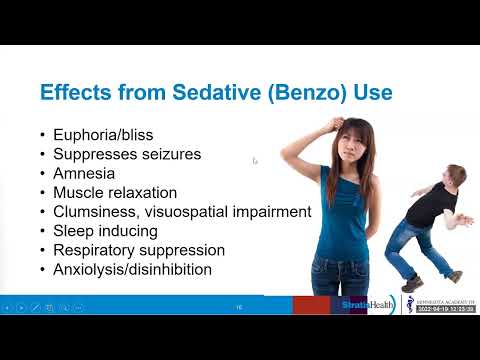
You might come across various types of sedatives like benzodiazepines (like Valium or Xanax) and barbiturates (like phenobarbital). These drugs work by slowing down the brain’s activity. It’s almost like pressing pause on a busy street, giving your mind some quiet time.
- Benzodiazepines: Often prescribed for anxiety; they provide quick relief.
- Barbiturates: Used less frequently today due to their high risk of addiction.
- Non-benzodiazepine sleep aids: Help with sleep but still have risks.
The Dark Side of Sedative Use
While sedatives can help with immediate issues, they also come with risks. Dependancy is probably one of the biggest concerns. Over time, your body grows accustomed to these medications, needing more for the same calming effect. It’s like building a tolerance to coffee—at first you just need one cup, but soon it takes two or three to feel awake.
Moreover, stopping suddenly can lead to withdrawal symptoms such as anxiety, seizures or even insomnia returning worse than before. This creates a cycle that’s tough to break.
Signs of Dependency
You might wonder when casual use becomes dependency. Signs include:
- Needing higher doses over time to achieve the same effects.
- Experiencing cravings when you’re not taking them.
- Feeling irritable or anxious when you try to cut back.
The Risk Factors Involved
Certain factors increase the chance of developing dependency on sedatives. A history of substance abuse? This raises red flags right away. Mental health issues like depression or anxiety also play an important role; many people use sedatives as self-medication without realizing the long-term implications.
A Real-Life Example
A friend once shared how she struggled with sleeping issues and turned to sedatives for relief. Initially, it helped her rest better at night but soon she found herself relying on them every time she felt anxious about work deadlines.
Taking Steps Towards Recovery
If you’re concerned about dependence on sedatives for yourself or someone else, it’s vital to talk openly about it — hey, communication is key! Gradually tapering off under professional guidance is usually safer than quitting cold turkey. Therapy and support groups often play an important role in recovery too; think of them as navigating through a maze together instead of alone.
The Bottom Line
Sedatives can be helpful in certain situations but knowing their risks is crucial too. Always consider other coping strategies – like mindfulness techniques or physical activities – alongside medication use if possible. It’s about finding balance so that comfort doesn’t turn into dependency over time!
Uncovering the Hidden Dangers of Common Sleep Medications
Understanding Sedatives: Uses, Risks, and Dependency Issues
Hey there! Sleep medications can often seem like a quick fix for sleepless nights. But the truth is, they come with their own set of hidden dangers. Let’s dig into this together.
What are Sedatives?
Sedatives are drugs that help calm you down or make you sleepy. They’re commonly prescribed for insomnia or anxiety. Think of them as a sort of “off switch” for your brain. They can be helpful in certain situations, but they aren’t without issues.
Common Types of Sleep Medications
- Benzodiazepines: These include drugs like Valium and Xanax. They work quickly but can lead to dependency if used for long periods.
- Z-drugs: Medications such as Ambien and Lunesta fall into this category. They’re marketed as safer alternatives to benzodiazepines, but they also carry risks.
- Antidepressants: Some people use certain antidepressants off-label to help with sleep issues. However, these aren’t primarily designed for sleeping problems.
The Risks Involved
You might think that since these meds help you sleep, they’re harmless—right? Not quite! Dependence is a serious risk with long-term use, meaning you’ll find it hard to sleep without them over time.
You could also face withdrawal symptoms if you stop suddenly after using them regularly. These might include anxiety, rebound insomnia (worse than before), and even seizures in extreme cases. Yikes!
Cognitive Impairment
An interesting thing happens when you take sedatives regularly: they can mess with your memory and cognitive function. You know how sometimes you forget things after a wild party? Imagine that feeling becoming more common just from taking medication.
The Danger of Combining Medications
A lot of people don’t realize the risks involved when combining sedatives with other substances like alcohol or opioids. This combo can amplify effects and lead to severe respiratory depression—a fancy way of saying it could make breathing really tough.
Finding Alternatives
If you’re worried about the risks associated with sleep medications, you’re not alone! There are plenty of alternative approaches worth considering.
- Cognitive Behavioral Therapy for Insomnia (CBT-I): This therapy focuses on changing unhealthy thoughts about sleep—kind of like retraining your brain!
- Lifestyle Changes: Simple adjustments such as reducing caffeine intake or sticking to a bedtime routine can have a major impact on sleep quality.
- Meditation & Relaxation Techniques: Practices like deep breathing exercises or yoga can help calm your mind before bed without relying on medications.
The Bottom Line
Sedatives may offer immediate relief for sleepless nights, but they carry significant risks including dependence and cognitive impairment. It’s really important to weigh these dangers against their benefits when considering your options.
You deserve restful sleep without the worries that come from medication dependency! Having open conversations about alternatives is key—ask questions and listen carefully to what feels right for you!
Understanding the Signs and Symptoms of Sedative Addiction
Sedatives are medications often used to calm anxiety, help with sleep, or relax muscles. They work by slowing down the brain and nervous system. But here’s the thing: even when used properly, they can lead to addiction. So, how do you know if someone is struggling with sedative addiction? Let’s break it down.
Common Signs of Sedative Addiction
First off, you might notice changes in behavior. A person could become more secretive or withdraw from friends and family. You might see them hiding things or acting unusually anxious when a supply runs low.
Physical signs are also important. Look for things like slurred speech or unsteady movements—similar to what you’d see with alcohol intoxication. Frequent drowsiness or just falling asleep at odd times can signal problems too.
Emotional Changes
Don’t underestimate emotional shifts either. People battling addiction sometimes feel excessive irritability or mood swings. They might go through periods of extreme euphoria followed by deep sadness.
You know how when you’re really wired from caffeine? Well, withdrawal from sedatives can feel opposite—it may cause anxiety and restlessness that make it hard to function normally.
The Dependency Issue
Dependency comes in two flavors: physical and psychological. Physical dependency means your body gets used to having the drug around. So when it’s not there, withdrawal symptoms kick in—like sweating, shaking, or nausea.
Psychological dependency is about feeling a strong need or craving for the sedative to cope with daily life pressures or stressors. It’s like relying on a friend who isn’t always going to be there for you—you start feeling lost without them.
Coping Strategies
If you suspect someone has an issue with sedatives, approaching them with kindness is crucial. Rather than accusing them straight away, express concern about their well-being; this helps open up a dialogue without putting them on the defensive.
- Encourage seeking help from professionals such as therapists specialized in addiction.
- A support group can also be beneficial; hearing others’ experiences makes one realize they’re not alone.
- Consider alternative relaxation methods like meditation or yoga—sometimes simple habits can make a big difference over time.
A Final Thought
Addiction is complex; remember that each situation is unique. If you’re worried about yourself or someone else, encouraging them gently toward seeking support could be life-changing—not just for today but for the long haul too.
Understanding Sedatives: Uses, Risks, and Dependency Issues
When we talk about sedatives, it’s important to understand what they are and why they’re used. Sedatives are medications that help calm your mind or make you sleepy. Doctors often prescribe them for conditions like anxiety, insomnia, or before certain medical procedures. Think of them as a way to hit the pause button on racing thoughts or stress.
However, not everything about sedatives is straightforward. One of the primary risks associated with them is dependency. When someone uses sedatives regularly, their body can become accustomed to the drug’s effects. Over time, this can lead to tolerance—meaning you need more of the medication to get the same calming effect. And when users suddenly stop taking these medications, withdrawal symptoms can arise.
These withdrawal symptoms can be uncomfortable and even dangerous in some cases. It’s like your body is giving you a strong signal that it has become reliant on the substance. That’s why it’s crucial to use sedatives only under a doctor’s supervision and for short periods if possible.
Another aspect worth discussing is how these medications interact with other substances like alcohol or opioids. Combining them can amplify sedation effects, making it very risky—like driving while tired but taken to an extreme level.
The journey toward understanding sedatives involves balancing their therapeutic benefits with potential risks. Open discussions about their use with healthcare providers help ensure that patients receive safe and effective care without falling into dependency traps.
In essence, knowing when—and how—to use sedatives responsibly is key in managing both health conditions and overall well-being.