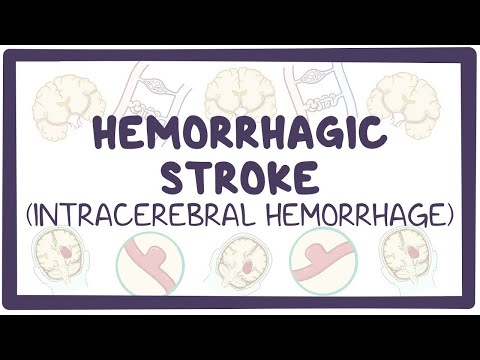
When we think about our brain, we often marvel at its complexity and importance. It controls everything we do, from moving our fingers to feeling emotions. But what happens when something goes wrong? One condition that can seriously disrupt normal brain function is a brain hemorrhage. This term might sound intimidating, but understanding it can empower you to recognize the signs and seek timely care.
A brain hemorrhage occurs when there is bleeding in or around the brain. Think of it like a small leak in a plumbing system – just as water can cause damage if it escapes from pipes, blood escaping from vessels in the brain can lead to significant problems. The effects depend on where the bleeding occurs and how severe it is.
Recognizing symptoms early can be crucial for effective treatment. Signs may include sudden headaches, confusion, weakness on one side of the body, difficulty speaking, or seizures. However, these symptoms don’t always mean a hemorrhage is present; they could indicate other health issues too.
There are various risk factors associated with brain hemorrhages, such as high blood pressure or certain medical conditions. Lifestyle plays a role as well; activities like smoking or excessive drinking may increase your risk.
While this information serves as an introduction to understanding brain hemorrhages better, it’s essential to dive deeper into this topic with reliable sources and experts who specialize in neurology and emergency care.
Warning: Always approach health information with caution. Brain hemorrhages are complex medical issues that require professional evaluation and treatment options tailored to individual needs. Consult various specialists and trusted media outlets for comprehensive insights rather than relying solely on one source. Your health depends on informed decisions!
The information provided in this article is intended solely for general informational and educational purposes. It does not constitute medical advice, diagnosis or professional treatment, and should not be considered a substitute for consultation with a qualified doctor or other licensed healthcare professional. Any health-related decisions should be made in consultation with accredited medical professionals.
While efforts have been made to ensure the information is accurate and up to date, no guarantees are given—either express or implied—regarding its accuracy, completeness, currency or suitability. Use of this information is at your own discretion.
It is strongly recommended to consult official sources such as the NHS (National Health Service) or other recognised medical institutions before acting on any information contained on this website or article. Under no circumstances should professional medical advice be ignored or delayed due to content read here.
This content is of a general and informational nature only. It is not intended to replace individualised guidance from a healthcare professional or to establish any doctor-patient relationship. The publication of this information does not imply any professional responsibility, guarantee or obligation on the part of the author or this site.
Recognizing the Subtle Clues That Could Save a Life
Understanding brain hemorrhage can be crucial for saving lives. This condition involves bleeding in or around the brain and often demands immediate attention. Recognizing the subtle signs can make all the difference.
First, let’s talk about what a brain hemorrhage is. It occurs when a blood vessel bursts in the brain, leading to bleeding. This can lead to increased pressure on the brain, which may cause serious complications.
Now, how do you spot it? Here are some
to watch for:
These symptoms might seem minor at first, but they should not be ignored. Much like catching a whiff of smoke before seeing flames, these clues can signal something more dangerous.
The risk factors for brain hemorrhage include high blood pressure, smoking, heavy drinking, and certain medications that thin the blood. Knowing these can help you take preventive measures.
It’s also essential to remember that not everyone will show clear symptoms. Some people may experience vague feelings of discomfort or mild confusion. Don’t brush off these feelings; they could be significant warning signs.
If you suspect someone is having a hemorrhage, act quickly. Call emergency services right away. Time is critical in such situations; rapid response is key.
In conclusion, staying informed about the signs of brain hemorrhage could save lives. It’s always better to err on the side of caution when health is concerned. Knowledge empowers us to make informed choices that protect ourselves and our loved ones.
Uncovering the Hidden Threats to Your Brain’s Health
When we think about brain health, we often focus on memory or mood. However, there are hidden threats that can impact your brain’s well-being. One of these is a brain hemorrhage.
A brain hemorrhage occurs when there’s bleeding in or around the brain. This bleeding can be caused by various factors, making it important to understand the risks.
Signs of a Brain Hemorrhage can include:
Recognizing these signs early is crucial. Timely medical intervention can make a big difference in outcomes.
Risk factors for brain hemorrhages include:
Understanding these risks helps you take proactive steps. Regular check-ups can monitor blood pressure and other conditions linked to hemorrhages.
Caring for Your Brain involves lifestyle choices that strengthen its resilience:
Also, managing stress through mindfulness or hobbies supports emotional well-being.
Misconceptions about brain health are common. Many believe only older adults face these threats. In reality, anyone can be at risk based on various factors like family history and lifestyle choices.
In summary, being aware of the potential hidden threats to your brain’s health empowers you to make informed decisions. Regular monitoring, healthy habits, and an understanding of risks play key roles in maintaining your cognitive well-being over time.
Essential Insights for Recovery and Care After a Brain Bleed
Understanding a brain bleed, or brain hemorrhage, is crucial for recovery and care. This condition occurs when there’s bleeding in or around the brain. It can lead to serious complications, so knowing how to navigate the recovery process is essential.
After a brain bleed, monitoring symptoms is key. Common signs include severe headache, confusion, weakness in limbs, or difficulty speaking. If these occur after an injury or spontaneously, seek help immediately.
Once diagnosed, treatment can vary based on the bleed’s cause and severity. Some cases may require surgery to relieve pressure; others might just need close observation and medication.
During recovery, rest is vital. The brain needs time to heal. Fatigue is common, so encourage periods of rest throughout the day.
Emotional support should not be overlooked. Many individuals experience depression or anxiety post-bleed. Having a strong support system can aid in emotional healing.
Nutritional care also plays a role in recovery. Eating a balanced diet rich in vitamins and minerals aids overall health. Foods high in antioxidants—like berries and leafy greens—are especially beneficial for brain recovery.
It’s important to follow up with healthcare providers regularly during this time. They can help track progress and adjust care as needed.
Remember that every person’s journey will be different after a brain bleed. Patience with yourself or loved ones during this process is crucial.
Lastly, it’s important to address any misconceptions about recovery speed. Each person heals at their own pace; rushing might lead to setbacks rather than improvements.
Stay informed about changes in condition and keep dialogue open with caregivers about concerns you may have along the way. Recovery from a brain hemorrhage takes time but understanding these essential insights can empower you during the healing journey ahead.
Understanding brain hemorrhage is crucial, as it can have significant implications for a person’s health. A brain hemorrhage occurs when there is bleeding in or around the brain, disrupting normal function. It’s vital to recognize the signs early, which may include sudden headaches, confusion, nausea, or weakness. These symptoms should never be ignored.
The risks for brain hemorrhages vary widely. High blood pressure is perhaps the most common risk factor. Other risks include trauma to the head, aneurysms, and certain blood disorders. Understanding these factors empowers individuals to make informed decisions about their health and lifestyle.
Care for someone experiencing a brain hemorrhage is critical and requires immediate medical attention. Treatment may range from medication to control symptoms and prevent complications to surgical interventions for severe cases.
In summary, knowledge about brain hemorrhages—what they are, their signs, risks, and care options—can make a measurable difference in outcomes. Awareness not only fosters preparedness but also encourages individuals to engage in preventive measures that support overall brain health.