The information provided in this article is intended solely for general informational and educational purposes. It does not constitute medical advice, diagnosis or professional treatment, and should not be considered a substitute for consultation with a qualified doctor or other licensed healthcare professional. Any health-related decisions should be made in consultation with accredited medical professionals.
While efforts have been made to ensure the information is accurate and up to date, no guarantees are given—either express or implied—regarding its accuracy, completeness, currency or suitability. Use of this information is at your own discretion.
It is strongly recommended to consult official sources such as the NHS (National Health Service) or other recognised medical institutions before acting on any information contained on this website or article. Under no circumstances should professional medical advice be ignored or delayed due to content read here.
This content is of a general and informational nature only. It is not intended to replace individualised guidance from a healthcare professional or to establish any doctor-patient relationship. The publication of this information does not imply any professional responsibility, guarantee or obligation on the part of the author or this site.
Ever wonder why some vitamins and minerals seem to work better for some people than others? It’s a bit like cooking; the right ingredients matter. Some minerals, when paired with certain compounds, become more effective. This is where chelated minerals come into play.
Chelated minerals are are like best buddies for your body, helping it absorb essential nutrients more efficiently. Imagine you’re trying to grasp a slippery fish; it’s hard, right? But if someone handed you a net, that would make things easier! Chelation helps your body catch these important nutrients without the struggle.
So why should you care about this? Well, understanding how chelated minerals work can boost your overall health. Whether you’re dealing with fatigue or looking to enhance athletic performance, they might play a role in supporting your goals.
This article will dive into the benefits of chelated minerals and how they can fit into your health journey. Remember though, while this information is helpful, it doesn’t replace professional medical advice. Always chat with your healthcare provider before making any big changes to your diet or supplement routine.
Uncovering the Hidden Risks of Chelated Mineral Supplements
Understanding Chelated Minerals
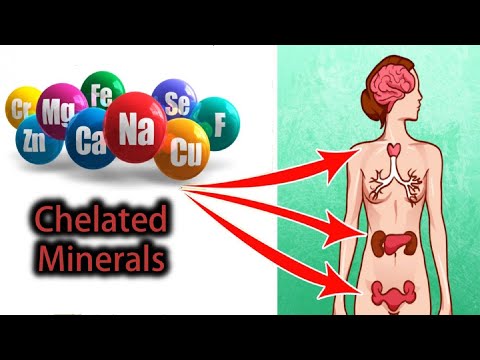
Chelated minerals are minerals that are bound to proteins or amino acids. This bonding helps the body absorb them more effectively. Imagine chelated minerals as a delivery truck bringing valuable packages straight to your body’s cells.
Benefits of Chelated Minerals
People often take these supplements for various reasons. For instance, they could help with nutrient deficiencies or improve overall mineral absorption. In simple terms, if you’re missing something important in your diet, chelated minerals might be a way to fill that gap.
Hidden Risks Behind the Benefits
However, not everything is sunshine and rainbows. It’s crucial to recognize potential risks associated with taking these supplements. First off, some people may experience digestive issues like nausea or diarrhea. It’s like when your stomach doesn’t agree with what you ate—sometimes certain supplements just don’t sit well.
Over-Supplementation Concerns
An important thing to consider is how much you’re taking. More isn’t always better! Overdoing it on chelated minerals can lead to toxicity since excess amounts of certain minerals can harm bodily functions. Think about it: too much iron can actually cause organ damage over time. It’s all about balance.
Interactions with Medications
You should also keep in mind that chelated minerals can interact with medications you might be on. For example, some mineral supplements can affect how well antibiotics work, which is something worth discussing with a healthcare provider if you’re taking any.
Certain Conditions and Chelates
If you have specific health conditions like kidney disease or hemochromatosis (a condition where too much iron builds up in the body), taking chelated mineral supplements might not be ideal for you. Your body’s processing system is already under duress; adding extra minerals could complicate things further.
The Importance of Testing and Quality Control
The quality of these supplements varies widely too, so it’s wise to choose reputable brands that undergo rigorous testing for purity and potency. Not all products labeled as “chelated” actually deliver what they promise; some could contain impurities or inadequate amounts of the active ingredients.
A Balanced Diet vs Supplements
A great way to obtain necessary minerals is through a balanced diet rich in fruits, vegetables, nuts, and whole grains rather than solely relying on supplements. Whole foods come packed with other nutrients that work together synergistically—meaning they help each other function better in your body.
Navigating Supplement Choices Wisely
If you’re considering adding chelated mineral supplements into your routine, it might be helpful to chat about it first with someone knowledgeable about nutrition—like a registered dietitian or healthcare provider who understands your unique health profile.
This way, you’ll have a clearer picture of whether those shiny bottles lining store shelves are right for you without jumping into any risks unnecessarily!
Unlocking the Secrets of Essential Nutrients for Optimal Health
Understanding Chelated Minerals
Chelated minerals are a bit like cozy blankets for your body. You know, they wrap essential nutrients in a way that makes them easier for your system to absorb. Chelation involves a chemical bonding process, where minerals attach to other molecules, usually amino acids. This helps the body recognize and utilize them more effectively.
Why Are They Important?
Look, minerals play crucial roles in our health. They help with everything from bone strength to muscle function and even brain health. But here’s the thing: not all mineral supplements are absorbed equally well. Some can just pass through your system without doing much at all.
- Zinc: Vital for immune function and wound healing.
- Magnesium: Supports muscle function and energy production.
- Iron: Essential for transporting oxygen in the blood.
If minerals are chelated, they often have increased bioavailability—meaning your body can use them more efficiently. Ever taken a vitamin supplement and felt like it did nothing? That might’ve been due to poor absorption.
The Benefits of Chelated Minerals
There are several reasons people consider chelated minerals:
- Better Absorption: As mentioned, the bonding process helps your body grab onto these nutrients more easily.
- Less Gut Discomfort: Some mineral supplements can upset your stomach; chelated forms tend to be gentler on digestion.
- Improved Efficacy: With better absorption, you may get more out of each dose compared to non-chelated forms.
A great example is iron supplements. Regular iron can sometimes cause constipation or nausea for some people, while chelated iron is often easier on the digestive system—just something to think about!
A Balanced Diet Matters Too
The most important thing is that you shouldn’t rely solely on supplements for nutrition. A balanced diet filled with fruits, veggies, whole grains, and proteins should be your foundation. Just like building a house—you need strong bricks (nutrients) before putting up any fancy decorations (supplements).
Cautions About Supplements
It’s also worth noting that not all chelated minerals are created equal. Sometimes companies claim their products are chelated when they’re not really effective forms at all. It’s essential to do some homework before choosing one.
Reading labels or checking third-party certifications can sometimes help ensure quality.
Your Unique Needs Matter
You know how everyone’s health journey is different? So are nutritional needs! Factors like age, gender, physical activity level—all influence what you might need in terms of vitamins and minerals.
That’s why it helps to talk with someone who understands nutrition if you’re thinking about adding something new into your routine.
The Bottom Line
Chelated minerals offer an innovative way to enhance nutrient absorption and support overall health but remember: it shouldn’t replace wholesome foods as the foundation of your diet.
Think of supplements as little helpers rather than main characters; they’re there when needed but shouldn’t take center stage!
Unveiling the Benefits of Chelated Compounds in Everyday Life
Understanding Chelated Compounds
Chelated compounds are pretty interesting. They form when minerals, like iron or magnesium, bond with other molecules. This process helps these minerals become more absorbable in your body. Imagine trying to drink water with a straw; if the straw is too thin, it’s tough to get it up, right? Well, chelated compounds act like a wider straw for minerals!
Why Are Chelated Minerals Important?
Your body needs minerals to function well. They support various processes such as muscle contraction and nerve function. But here’s the catch: not all forms of minerals are easily absorbed. That’s where chelation comes into play.
- Better Absorption: When minerals are chelated, they’re wrapped up nicely so your gut can absorb them better.
- Less Competition for Absorption: Sometimes, different minerals compete for absorption in your intestines. Chelation can help minimize this competition.
- Reduced Digestive Discomfort: Some mineral supplements can cause upset stomachs or nausea—chelated forms often reduce these issues.
Real-Life Examples
You might have heard about magnesium supplements helping with muscle cramps. If those are chelated magnesiums like magnesium glycinate or citrate, they can be more effective for some folks because they’re easier on the tummy and better absorbed.
Anther example would be iron supplements. Regular iron might upset some people’s stomachs, while ferrous bisglycinate—a chelated form—tends to be tolerated better.
The Potential Benefits
Chelated compounds may help you maintain optimal levels of essential minerals without causing discomfort or competition among them. This is especially important if you’re eating a restricted diet or have specific health issues that affect nutrient absorption.
A lot of people look at their diets and think they’re getting all the nutrients they need—but even with healthy foods, sometimes absorption isn’t perfect due to gut health or other factors.
A Word of Caution
It’s crucial to remember that while chelated compounds offer advantages, not every product on the market is right for everyone. Always pay attention to how your body reacts and consult with someone who knows nutrition well when trying new supplements.
- Diversity Is Key: Eating varied foods helps ensure you get an array of nutrients rather than relying solely on supplements.
- Nutrient Interactions: Some nutrients work together while others may inhibit each other’s absorption—being aware of these interactions can help you make informed choices.
The Bottom Line
Chelated compounds play a vital role in helping our bodies utilize essential minerals effectively without unpleasant side effects. They can promote overall well-being by ensuring we get the nutrients that our bodies need to thrive—just remember it’s always best to consider all aspects of your diet and lifestyle!
Understanding chelated minerals can really change the way you think about supplements and nutrition. So, what exactly are these chelated minerals? In simple terms, they are minerals that have been bound to another molecule, often an amino acid or other organic compound. This process helps improve their absorption in the body.
The big benefit here is that chelated minerals tend to be more easily absorbed by your gut. Think of it like a VIP pass—it allows these nutrients to bypass some of the barriers that might otherwise keep them from getting into your bloodstream. For instance, magnesium bisglycinate is a well-known chelated form of magnesium that’s often touted for its superior absorption.
Many people struggle with mineral deficiencies due to poor diets or issues with absorption. By using chelated forms, they may find they can meet their nutritional needs better. Additionally, some research suggests that chelated minerals might be gentler on the stomach compared to non-chelated forms.
However, it’s important to remember that not all supplements are created equal. The quality of the product matters just as much as the form of the mineral you’re taking. Always look for reputable brands and check for third-party testing.
So, next time you’re considering adding mineral supplements to your routine, think about trying chelated variants. They could be a beneficial option for enhancing your health and well-being.