The information provided in this article is intended solely for general informational and educational purposes. It does not constitute medical advice, diagnosis or professional treatment, and should not be considered a substitute for consultation with a qualified doctor or other licensed healthcare professional. Any health-related decisions should be made in consultation with accredited medical professionals.
While efforts have been made to ensure the information is accurate and up to date, no guarantees are given—either express or implied—regarding its accuracy, completeness, currency or suitability. Use of this information is at your own discretion.
It is strongly recommended to consult official sources such as the NHS (National Health Service) or other recognised medical institutions before acting on any information contained on this website or article. Under no circumstances should professional medical advice be ignored or delayed due to content read here.
This content is of a general and informational nature only. It is not intended to replace individualised guidance from a healthcare professional or to establish any doctor-patient relationship. The publication of this information does not imply any professional responsibility, guarantee or obligation on the part of the author or this site.
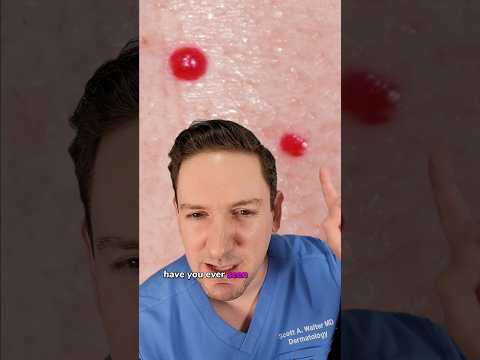
Have you ever noticed a small, red bump on your skin and wondered if it’s something to worry about? You’re not alone. Many people encounter cherry angiomas at some point in their lives. They’re actually pretty common, but understanding them can be a bit confusing.
Cherry angiomas are small clusters of blood vessels that show up on the skin. They might look alarming, but the thing is, they’re usually harmless. Still, taking a closer look at your skin and knowing what these little bumps mean can make a big difference in your peace of mind.
This article will break down everything you need to know about cherry angiomas—from their symptoms to various treatment options available. We’ll discuss when it’s time to seek help and what might be worth considering for those persistent spots that just won’t go away.
Remember, though this information is helpful, it doesn’t replace professional medical advice. Always consult a healthcare professional when making decisions regarding your health—your well-being deserves it.
Unraveling the Mystery Behind Rapidly Developing Cherry Angiomas
Understanding Cherry Angiomas
Cherry angiomas are small, usually red or purple spots on the skin. They’re quite common and often appear as we age. You might notice them popping up on your trunk, arms, or scalp. So, what exactly are they?
Basically, cherry angiomas are clusters of tiny blood vessels that form just under the skin. Sometimes they develop suddenly, leading to a bit of confusion about why they’re appearing out of nowhere!
What Causes Rapid Development?
Great question! The truth is, the exact cause isn’t fully understood yet. Genetics may play a big role; if your family has a history of them, you might be more likely to develop cherry angiomas yourself.
Hormonal changes can also contribute. For instance, many people notice an increase in cherry angiomas during pregnancy or puberty, times when hormones fluctuate significantly.
Symptoms and Characteristics
Typically, cherry angiomas are painless and don’t cause any symptoms beyond their appearance. They can vary in size from very tiny dots to larger spots that can reach several millimeters in diameter.
- Color: Bright red or purple.
- Texture: Smooth on top but can feel raised slightly.
- Location: Commonly appear on the torso, arms and face.
Treatment Options
If you’re worried about how they look—or if they begin to bleed—you might consider treatment options. However, remember: treatment isn’t always necessary since they’re harmless.
- Laser therapy:This option uses focused light beams to remove them.
- Cryotherapy:This involves freezing the angiomastics using liquid nitrogen.
- Eletrosurgery:A small probe destroys them by delivering an electrical current.
Myths & Misconceptions
A lot of myths swirl around cherry angiomas. One common belief is that they indicate serious health issues. In most cases that’s not true—they’re benign growths!
You might also hear people wonder if they’re linked with sun exposure or liver problems—while lifestyle factors affect our skin overall, there’s no direct connection here according to current research results.
Takeaway Points
If cherry angiomas appear suddenly or rapidly increase in number, it’s always good idea to check in with a healthcare provider just for peace of mind.
It’s important not stress too much over these little spots—most often they’re nothing more than a normal part of aging skin!
The best approach? Stay informed and listen to your body. If something seems off—to you—that’s valid too! Keeping track of changes often helps in understanding our own health better.
Simple and Effective Home Remedies for Cherry Angiomas
Understanding Cherry Angiomas
Cherry angiomas are those small, red or purple spots that sometimes appear on the skin. They’re pretty common and usually harmless. These growths happen when blood vessels get a bit more concentrated in one area, forming these tiny bumps.
So, you might notice them more often as you age. They can pop up anywhere on your body, but they usually show up on your torso and arms. If you’ve ever seen a red dot on your skin and wondered about it, that might just be a cherry angioma.
Symptoms of Cherry Angiomas
The main symptom is the appearance of the growth itself. Cherry angiomas are generally painless and don’t itch—so nothing to worry about there! They’re typically small, maybe the size of a pinhead or even larger if multiple ones cluster together.
If you notice bleeding or changes in how they look—like sudden growths or changes in color—you should probably consult someone who knows their stuff when it comes to skin conditions.
Treatment Options
Most people don’t feel the need to treat cherry angiomas unless they find them bothersome for cosmetic reasons. Procedures like laser removal or electrosurgery can be options. These techniques remove the angioma painlessly without needing major downtime.
If you’re considering treatment because you’re concerned about what it is or how it looks, having a chat with a healthcare provider can really help clarify things.
Simple Home Remedies
While there’s no scientific proof that home remedies work for cherry angiomas, folks sometimes try natural approaches to soothe their skin or improve appearance over time.
- Aloe Vera: Some people use aloe vera gel for its soothing qualities.
- Coconut Oil: It’s moisturizing and has anti-inflammatory properties.
- Lemon Juice: It’s often talked about for its natural bleaching effect—just be careful with sun exposure!
- A mixture of Apple Cider Vinegar: It’s popular among some home remedy enthusiasts as an ingredient to apply topically.
You know, while applying these remedies might not hurt anything—or so the sentiment goes—in reality, it’s best not to expect miracles from them. Everyone’s skin is different; something that works for one person may not work for another at all!
The Bottom Line
If cherry angiomas are appearing frequently or changing quickly—or if you just have concerns—it’s good to reach out for expert advice. They’re mostly harmless but worth checking out for peace of mind.
A little curiosity never hurts! Taking care of your skin means asking questions and getting familiar with what’s normal for you personally!
Unraveling the Mysteries Behind Cherry Angiomas
Understanding Cherry Angiomas
Cherry angiomas are small, bright red growths on the skin, and they can be a bit puzzling. You might notice them pop up as you get older. They’re made up of a collection of blood vessels that have become dilated, which is why they have that distinct color.
Usually, they are harmless and don’t cause any symptoms other than their appearance. Some people might worry about how they look, especially if they’re on visible areas like the face or neck. But here’s the thing: cherry angiomas are quite common. In fact, most adults will have at least a few by the time they hit 30 or 40.
Symptoms
The primary symptom of cherry angiomas is—well—a cherry-colored spot! These growths can vary in size from tiny dots to larger spots about a quarter of an inch wide. Sometimes, they can bleed if scratched or injured, but it doesn’t mean they’re dangerous.
If you notice any sudden changes in your skin or if something new appears that looks suspicious (like irregular shape or color), it’s smart to get it checked out. Changes in moles and spots can sometimes be a sign of other skin issues.
Treatment Options
If you want to remove cherry angiomas for cosmetic reasons, there are several options available. One common method is laser treatment. This works by using focused light to target the blood vessels in the angioma without affecting surrounding skin.
Cryotherapy is another option; it involves freezing the angioma with liquid nitrogen until it disappears. There’s also electrosurgery which uses electrical currents to remove the growth.
It’s important to remember that while these treatments can be effective, they’re typically not medically necessary unless there’s discomfort or concern about appearance.
What Causes Them?
The exact cause of cherry angiomas remains somewhat mysterious, but genetics seem to play a role! If your parents had them, there’s a chance you could develop some too—it’s like inheriting freckles or curly hair!
Aging and hormonal changes might also contribute. Have you ever noticed more appearing when you’re stressed? Sometimes that could just be coincidental since stress affects everyone differently.
Should You Be Concerned?
Generally speaking, cherry angiomas are benign—that means non-cancerous and not something to stress over. However, keeping an eye on your skin is always wise! If anything appears unusual—changing colors, bleeding frequently—it’s good to seek advice from a professional who knows their stuff about dermatology.
A Final Thought
Your skin tells a story about your health and history; take care of it! While cherry angiomas often need no treatment at all beyond monitoring their appearance, understanding them helps demystify what those little red spots really mean for you.
Cherry angiomas are common skin growths that usually appear as small, red or purple spots. They’re made up of clusters of tiny blood vessels and often develop as we age. It’s interesting to note that while these lesions are generally harmless, their sudden appearance can sometimes cause concern.
In terms of symptoms, cherry angiomas are typically asymptomatic, meaning they don’t usually cause pain or discomfort. However, they can bleed if injured, which might lead someone to seek treatment for cosmetic reasons or due to anxiety over the growth.
When it comes to treatment options, there are a few methods available. Cryotherapy involves freezing the angiomas with liquid nitrogen. This approach is effective and often leaves minimal scarring. Another option is laser therapy; this targets the blood vessels directly and is quite popular because it’s quick and relatively painless.
It’s essential to consult a healthcare provider before deciding on treatment. They can confirm that what you have is indeed a cherry angioma and not something more serious like melanoma—a kind of skin cancer.
Overall, understanding cherry angiomas helps demystify them. While they might look alarming at first glance, knowing the facts reassures many individuals about their benign nature and simple treatment options.