The information provided in this article is intended solely for general informational and educational purposes. It does not constitute medical advice, diagnosis or professional treatment, and should not be considered a substitute for consultation with a qualified doctor or other licensed healthcare professional. Any health-related decisions should be made in consultation with accredited medical professionals.
While efforts have been made to ensure the information is accurate and up to date, no guarantees are given—either express or implied—regarding its accuracy, completeness, currency or suitability. Use of this information is at your own discretion.
It is strongly recommended to consult official sources such as the NHS (National Health Service) or other recognised medical institutions before acting on any information contained on this website or article. Under no circumstances should professional medical advice be ignored or delayed due to content read here.
This content is of a general and informational nature only. It is not intended to replace individualised guidance from a healthcare professional or to establish any doctor-patient relationship. The publication of this information does not imply any professional responsibility, guarantee or obligation on the part of the author or this site.
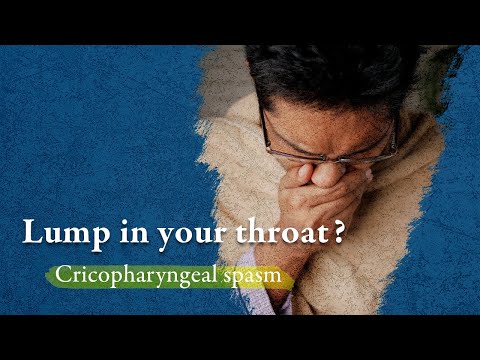
Have you ever felt a tightness in your throat, almost like something’s stuck? It can be surprisingly uncomfortable and might leave you wondering if it’s just stress or something more. The truth is, cricopharyngeal spasm could be the culprit. This condition affects the muscle at the top of your esophagus and can make swallowing tricky, sometimes even painful.
You’re not alone in feeling this way. Many people experience it but don’t know what it is or how to deal with it. Symptoms can vary, and understanding them is crucial. Sometimes, it comes on during stressful moments; other times, it appears out of nowhere.
This article aims to break down the essential bits about cricopharyngeal spasms—what they are, what causes them, and most importantly, how they can be managed effectively. It’s vital to recognize that this information doesn’t replace medical advice; health decisions should always be made with a healthcare professional in mind.
Let’s get into the details and tackle this together!
Quick Relief Strategies to Ease Uncomfortable Throat Tension
Understanding Cricopharyngeal Spasm
Many folks deal with a frustrating sensation in their throats, like tightness or discomfort. This might be due to a cricopharyngeal spasm, a muscle issue around the throat area. It can feel like your throat is locked up, making swallowing hard or even painful.
What Causes This Spasm?
The aetiology of cricopharyngeal spasms isn’t very clear. Stress and anxiety can play big roles here. When we’re nervous, our muscles tense up, including the ones in our throat. Plus, certain foods or even indigestion can trigger it too.
Recognizing the Symptoms
You might experience difficulty swallowing or have that lump-in-the-throat feeling. Some say it feels like there’s something stuck there—really annoying, right? You could also have pain when swallowing, which makes eating feel like a chore.
Quick Relief Strategies
- Stay Calm: Yeah, it’s easier said than done! But deep breathing or gentle meditation might help relax those tensed muscles.
- Sipping Water: Sometimes just drinking water can soothe your throat and ease that tightness.
- Warm Compress: Using a warm cloth on your neck can provide some comfort and reduce tension in the area.
- Mild Foods: Eating soft foods like yogurt or mashed potatoes may make swallowing easier until you feel better.
- Meditation and Relaxation Activities: Practices like yoga or stretching might help reduce overall tension in your body, including your throat.
A Few Things to Remember
If you find yourself facing these issues frequently—or if they get worse—it’s best to chat with someone who knows about these things more formally. Sometimes what feels like a simple tension can have underlying causes needing attention.
Coping with Anxiety
If stress is contributing to those spasms, knowing how to manage anxiety is key. Activities that calm your mind will likely help not just the spams but improve overall quality of life too!
The Bottom Line
Cricopharyngeal spasms can be uncomfortable and even scary sometimes but are usually manageable with simple strategies. Listen to your body; if symptoms persist or worsen over time—checking in with someone for more information could really clarify how to move forward.
Understanding the Connection Between Throat Spasms and Anxiety: Finding Relief in Everyday Life
Understanding the Connection Between Throat Spasms and Anxiety
Throat spasms can be pretty unsettling, right? They often feel like a tightness or constriction in your throat. And guess what? Anxiety is often linked to these sensations.
When you’re anxious, your body goes into what’s called the “fight or flight” mode. This reaction is natural; it’s like an alarm system going off. Muscles get tense, and that includes the ones around your throat.
The Cricopharyngeal Muscle
One specific muscle involved is the cricopharyngeus. It helps control swallowing by opening and closing during the process. If this muscle spasms due to anxiety, you might struggle with swallowing or feel a lump in your throat.
Imagine trying to swallow a big piece of food without chewing well enough. That feeling of something stuck? That’s similar to what cricopharyngeal spasms can cause but with added discomfort from muscle tension.
Symptoms You Might Experience
If you’ve had throat spasms linked to anxiety, you might notice:
- A tight sensation in the throat.
- Difficulty swallowing foods or liquids.
- A feeling of choking or lump in your throat.
- Pain when trying to swallow.
It can be pretty distressing! The important thing is knowing you’re not alone in experiencing this.
Finding Relief in Everyday Life
You might wonder how to manage this discomfort. One way is through relaxation techniques. Think about deep breathing exercises; they help calm both your mind and your body.
Another option could be gentle stretching. Just as you stretch after a workout, some easy neck stretches may help relieve tension around the throat area.
- Breathe deeply: Inhale through your nose and exhale slowly through your mouth; do this for a few minutes!
- Stay hydrated: Drinking water can help keep things moving smoothly down there when swallowing feels tricky.
- Avoid triggers: If certain situations heighten your anxiety, it may be worth noting them down so you can find ways to manage them better over time.
Coping with Anxiety Effects on Your Body
Anxiety affects everyone differently; that’s just how it goes! Some people experience physical symptoms while others may feel more emotional side effects instead. Recognizing these patterns helps make sense of what’s happening inside you, right?
If you find that anxiety continually leads to uncomfortable throat spasms—or if they’re worsening—consider reaching out for support from friends or loved ones. Sometimes just talking about it makes everything less overwhelming!
Your Next Steps
If it’s causing ongoing issues, perhaps it makes sense to consult someone trained. They can provide personalized guidance based on what you’re experiencing specifically without pushing any miracle cures on you!
Keeps things simple: understanding how anxiety impacts our bodies gives us power over those pesky symptoms like throat spasms! You have every right not only seek answers but also develop solutions that work best for YOU.
Relief and Strengthening Techniques for Your Throat Discomfort
Understanding Cricopharyngeal Spasm
Cricopharyngeal spasm is a condition that can cause throat discomfort. It’s when the muscle called the cricopharyngeus tightens too much, leading to difficulties with swallowing or a feeling of something stuck in your throat. This can be pretty unsettling.
Symptoms You Might Experience
You may notice several symptoms if you have this condition. Common ones include:
- A feeling of tightness or pressure in the throat.
- Problems swallowing food or liquids.
- A sensation of something being stuck in your throat.
- Frequent coughing or clearing your throat.
If you’re feeling any of these, it’s important to look into it further rather than just brushing it off. Sometimes stress and anxiety can make these symptoms worse, which is really frustrating. But knowing this might help you understand what’s going on.
Relief Techniques for Throat Discomfort
If you’re dealing with cricopharyngeal spasm, there are a few techniques that might provide some relief. It’s all about relaxing that muscle and making swallowing easier.
- Controlled Breathing: Taking deep breaths can help relax your body, which may ease some tension in the throat. Inhale deeply, hold for a moment, then exhale slowly.
- Swallowing Techniques: Try taking smaller bites when eating. This helps reduce pressure and allows you to focus on swallowing calmly.
- Mild Stretching: Gently tilting your head side to side can sometimes relieve tension too. Just don’t overdo it—easy does it!
Strengthening Your Throat Muscles
While relaxation is key, strengthening the muscles involved in swallowing can also help manage symptoms over time. Simple exercises can be beneficial:
- Sipping Water: Take small sips rather than big gulps as this helps train those muscles without overwhelming them.
- Tongue Push-ups: Pressing your tongue against the roof of your mouth repeatedly can build strength and control.
You know, consistency matters here—doing these exercises regularly might give better results long-term than just trying them once or twice.
When to Seek Professional Help
If these techniques don’t seem to help after a while or if your symptoms get worse, consult someone who knows about these issues like an ear-nose-throat specialist (ENT). They can offer guidance tailored specifically for you and provide more options should you need them.
Your comfort matters and taking active steps towards understanding what you’re experiencing is crucial. Having support from someone familiar with this area could also make a big difference!
The road to relief might take time but remember you’re not alone in this experience! Just take things one step at a time; being patient with yourself is essential too!
Understanding Cricopharyngeal Spasm: Symptoms and Solutions
Cricopharyngeal spasm can be a frustrating condition. It happens when the cricopharyngeus muscle, a part of your throat, overcontracts. This muscle’s job is to open and close during swallowing. When it spasms, swallowing can become difficult or even painful.
Common symptoms include a feeling of something stuck in your throat, discomfort while eating or drinking, and sometimes chest pain. You might also experience regurgitation – that’s when food comes back up after you’ve swallowed it. It’s not uncommon to feel anxious about these symptoms; after all, eating is essential for everyone.
Identifying the condition often involves specific tests like a barium swallow study or an endoscopy. A barium swallow helps visualize how the food travels down your esophagus with X-rays. An endoscopy lets doctors look at your throat directly using a small camera.
Treatment options focus on easing symptoms and may include speech therapy to improve swallowing techniques or dietary changes like avoiding very hot or spicy foods that could irritate the area.
In some cases, medications that help relax muscles might be prescribed. For severe instances not responding to other treatments, procedures like botulinum toxin injections or surgery are considered.
It’s vital to communicate openly with healthcare providers about symptoms and concerns. While cricopharyngeal spasm can be bothersome, many people find relief through appropriate treatment strategies tailored to their needs.