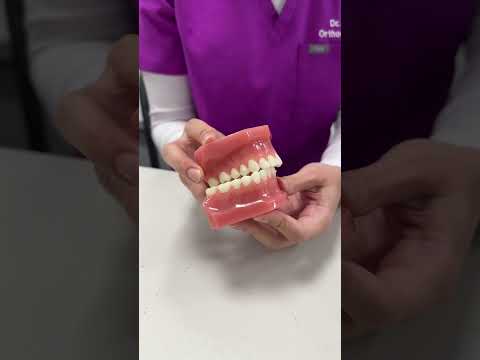
Have you ever noticed your teeth don’t quite line up when you bite down? If so, you might be experiencing a condition known as a crossbite. This is when one or more of your upper teeth bite inside of your lower teeth. It can happen in the front or the back of your mouth and can affect both adults and children.
Crossbites can lead to various issues, such as uneven wear on teeth, jaw pain, and difficulties with chewing. But don’t worry! Understanding crossbite is the first step toward effective treatment. The good news is that there are solutions available—from orthodontic braces to dental appliances—that can help align your bite for better oral health.
As you explore this topic further, it’s essential to approach it with an open mind. Not all sources are reliable, and treatments vary greatly depending on individual cases. Always consult with different specialists, such as orthodontists or dentists, and seek information from reputable media sources. Staying informed will empower you to make thoughtful decisions about your oral health journey!
The information provided in this article is intended solely for general informational and educational purposes. It does not constitute medical advice, diagnosis or professional treatment, and should not be considered a substitute for consultation with a qualified doctor or other licensed healthcare professional. Any health-related decisions should be made in consultation with accredited medical professionals.
While efforts have been made to ensure the information is accurate and up to date, no guarantees are given—either express or implied—regarding its accuracy, completeness, currency or suitability. Use of this information is at your own discretion.
It is strongly recommended to consult official sources such as the NHS (National Health Service) or other recognised medical institutions before acting on any information contained on this website or article. Under no circumstances should professional medical advice be ignored or delayed due to content read here.
This content is of a general and informational nature only. It is not intended to replace individualised guidance from a healthcare professional or to establish any doctor-patient relationship. The publication of this information does not imply any professional responsibility, guarantee or obligation on the part of the author or this site.
Unraveling the Teeth Misalignment Mystery
Teeth misalignment is more common than you might think. One specific issue is called a crossbite. This is when one or more teeth are positioned incorrectly, causing the upper teeth to sit inside the lower teeth when biting down.
Crossbites can happen in different forms. A dental crossbite involves just one or two teeth, while a skeletal crossbite affects the jaw structure itself. Both types can lead to various problems, including uneven wear on your teeth and jaw pain over time.
Several factors contribute to crossbites. Genetics plays a role; if your parents had similar issues, you might too. Additionally, habits like thumb sucking or prolonged pacifier use in childhood can influence tooth positioning.
Ignoring a crossbite isn’t advisable. Problems may escalate into more pronounced issues such as speech difficulties or temporomandibular joint (TMJ) disorders. Over time, an untreated crossbite can even affect your overall facial appearance.
Fortunately, there are effective treatments available for correcting crossbites. Options include braces and clear aligners, which gently shift the teeth into their proper positions. In some cases where the jaw needs aligning, surgical intervention may be necessary.
Timing is important when dealing with misalignment issues. Children often benefit from early intervention during growth spurts when their bones are still developing. However, adults also have treatment options that can prove successful too.
Communication with a dental professional is key here. They can provide tailored advice based on individual circumstances and needs.
In summary, understanding how crossbites occur empowers you to make informed decisions about oral health. Regular check-ups help monitor any changes in alignment and allow for timely action if needed.
Be proactive about your oral health! Recognizing issues early is half the battle won!
Discovering the Most Effective Solutions for Correcting Crossbites
Crossbites are a common dental issue where one or more of your teeth do not align properly when you bite down. This misalignment can happen with your upper teeth sitting inside your lower teeth or vice versa. It can lead to dental complications and might affect your jaw’s function over time.
Understanding the Causes
A crossbite can occur for various reasons, including genetics, thumb-sucking during childhood, or prolonged bottle feeding. Sometimes, it is due to jaw growth discrepancies or an irregularity in tooth positioning.
Why is it Important to Correct a Crossbite?
Leaving a crossbite untreated can lead to uneven wear on your teeth, jaw discomfort, and even changes in facial appearance. It’s not just about looks; it impacts how well you chew food and may cause headaches.
Effective Solutions for Correction
Treatment options vary based on age, severity, and individual needs. Here are some popular solutions:
It’s essential to understand that each option comes with its own set of considerations. Consulting with a healthcare professional is crucial. They can tailor treatment based on individual cases.
The Role of Early Intervention
Addressing crossbite issues early in children can prevent more extensive treatments later on. Regular dental check-ups allow professionals to spot misalignments early.
In conclusion, recognizing a crossbite and seeking appropriate solutions is key for maintaining long-term dental health. Educating yourself about these options can empower you to make informed decisions regarding your oral health care journey. Remember, it’s always wise to discuss any concerns directly with a healthcare provider who understands your specific needs.
Discover Effective Solutions for Correcting Crossbite Issues
Understanding crossbite is a crucial step toward healthier teeth and jaws. A crossbite occurs when the upper teeth fall behind the lower teeth during biting. This can lead to difficulties in chewing, jaw pain, and uneven tooth wear.
There are several causes for crossbite. These include genetics, early loss of baby teeth, thumb sucking, or even some habits like mouth breathing. Think of it like a puzzle piece that doesn’t quite fit; over time, this misalignment can cause various dental issues.
Identifying a crossbite is usually straightforward. You might notice signs such as your teeth not lining up correctly when your mouth is closed or some discomfort while chewing. If you suspect you have this issue, it’s important to seek an evaluation from a healthcare provider.
Once diagnosed, there are effective solutions available for correcting crossbite issues. Some common treatments include:
Each method has its own set of pros and cons. For children, early intervention often leads to better outcomes as their jaws are still developing.
It’s also vital to maintain good oral hygiene throughout treatment. Braces and other appliances can make cleaning your teeth more challenging. Regular brushing and flossing are key in preventing cavities during this time.
While exploring these options, keep in mind that not all treatments will work for everyone. Individual factors like age and severity of the crossbite play significant roles in determining the best course of action.
In addition to professional treatments, adopting healthy habits can support dental alignment long-term. Eating crunchy fruits and vegetables can help strengthen jaw muscles while avoiding overly sticky or hard foods protects against damage during treatment.
Overall, understanding what contributes to crossbite allows for informed decisions about correction methods tailored just for you or your child’s needs. Don’t hesitate to ask questions during consultations; being proactive about your dental health is always beneficial!
Crossbite is a dental condition where the upper teeth don’t align correctly with the lower teeth. This misalignment can occur on one side or both and may involve either the front or back teeth. Understanding crossbite is important, as it affects not just appearance but also oral health, bite function, and overall well-being.
The causes of crossbite can vary. Genetics often play a role, as jaw size and tooth alignment are inherited traits. Environmental factors can also contribute. For example, prolonged thumb sucking or mouth breathing during childhood can influence jaw development and lead to misalignments.
Effective treatment options are available for those with crossbite. Early intervention in children is ideal, usually involving appliances like expanders that help shape the jaw properly. For adults, treatment may include braces or aligners to correct tooth positioning and improve bite function.
It’s crucial to address crossbite not only for aesthetics but also to prevent issues such as wear on teeth, jaw pain, or even headaches resulting from improper alignment. Regular dental check-ups allow for early detection and intervention.
Understanding this condition encourages individuals to seek timely advice from dental professionals if they suspect an issue. Knowledge empowers better health decisions and fosters a proactive approach to maintaining oral health.