The information provided in this article is intended solely for general informational and educational purposes. It does not constitute medical advice, diagnosis or professional treatment, and should not be considered a substitute for consultation with a qualified doctor or other licensed healthcare professional. Any health-related decisions should be made in consultation with accredited medical professionals.
While efforts have been made to ensure the information is accurate and up to date, no guarantees are given—either express or implied—regarding its accuracy, completeness, currency or suitability. Use of this information is at your own discretion.
It is strongly recommended to consult official sources such as the NHS (National Health Service) or other recognised medical institutions before acting on any information contained on this website or article. Under no circumstances should professional medical advice be ignored or delayed due to content read here.
This content is of a general and informational nature only. It is not intended to replace individualised guidance from a healthcare professional or to establish any doctor-patient relationship. The publication of this information does not imply any professional responsibility, guarantee or obligation on the part of the author or this site.
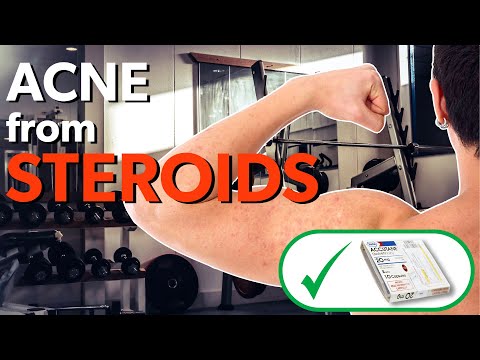
Have you ever noticed breakouts after starting a new medication? It’s more common than you might think, especially with steroids. Many people experience this frustrating side effect, known as steroid acne.
This isn’t your regular acne, though. It can occur even if you’ve had clear skin your whole life. Steroid acne typically arises when corticosteroids are used for conditions like asthma or joint pain.
In this article, we’ll explore the causes of steroid acne and discuss effective treatments to help manage it. You’ll learn why it happens and how you can tackle those pesky breakouts without feeling overwhelmed.
It’s really important to remember that while we’re providing information here, this doesn’t replace professional medical advice. Decisions about your health should definitely involve a healthcare expert who can guide you in the right direction.
If you’ve recently experienced changes in your skin or are curious about why it might be happening, stick around! Understanding steroid acne is key to reclaiming that confidence in your skin.
A Visual Journey Through the Impact of Steroid Use on Skin Health
Hey there, let’s break down how steroids can affect your skin. It’s a bit of a complex topic, but don’t worry! We’ll keep it simple and relatable.
What Are Steroids?
Steroids are substances that can mimic hormones in your body. They’re often used for medical reasons, like treating inflammation or certain diseases. But some people use them to enhance athletic performance or for cosmetic reasons, which can lead to skin problems.
Understanding Steroid Acne
Steroid acne is a type of acne that can develop when you use steroids. You know how regular acne pops up because of clogged pores? Well, with steroid use, your pores can get blocked more easily. This happens due to changes in oil production and skin cell turnover.
Why Does This Happen?
The thing is, steroids can increase oil gland activity. More oil means more chance of clogging those pores and creating an environment for bacteria to thrive—hello, pimples! Plus, they can cause inflammation too.
Common Signs
- Pimples or small red bumps
- Zits primarily on the face, back or chest
- Skin that feels oily and looks shiny
- Irritation around the areas where you applied steroids topically
Treatments That Can Help
If you find yourself dealing with steroid-related acne, some treatments could ease the situation. Over-the-counter creams with benzoyl peroxide or salicylic acid are common go-tos. These ingredients help to reduce bacteria and unclog pores.
You might also consider talking to someone about prescription options like retinoids—they’re like superheroes for promoting cell turnover!
Prevention is Key
Preventing steroid acne involves being mindful about how you’re using steroids. If they’re prescribed by a healthcare professional for legitimate reasons, it’s super important to follow their guidance closely.
Avoiding unnecessary use is really important too. Being educated on both the benefits and risks helps you make informed choices about your health.
The Bottom Line
Steroid use can dramatically impact skin health through conditions like steroid acne so understanding this relationship is crucial. And while it might feel overwhelming at times—you’re not alone! There are options available if things go south.
If you’re ever unsure about how steroids might be affecting your skin health or if you’re concerned about anything specific, reaching out for professional advice could be a good step forward!
Clear Skin Solutions for Steroid-Induced Breakouts
Understanding Steroid-Induced Breakouts
Steroid-induced breakouts, often referred to as steroid acne, can be pretty frustrating. If you’ve been using corticosteroids for conditions like asthma or skin disorders, you might notice unexpected pimples showing up. It’s essentially your skin’s reaction to these medications.
So what’s happening? Well, steroids can increase oil production in your skin. This excess oil can clog pores, which is a prime environment for acne to thrive. Imagine trying to drive on a road filled with bumps; it just doesn’t work smoothly.
Common Causes of Steroid Acne
- Hormonal Changes: Steroids can mess with hormones that regulate oil production.
- Pore Clogging: Increased oil leads to clogged pores and eventually breakouts.
- Skin Inflammation: Corticosteroids can sometimes cause inflammation, making acne worse.
Treating Steroid-Induced Acne
Treating this type of acne might seem tricky, but there are options you can consider. First off, consider how you clean your face. Gentle cleansers that don’t strip the skin are usually better than harsh scrubs.
- Benzoyl Peroxide: This ingredient helps kill bacteria and reduce inflammation.
- AHA/BHA Products: Alpha hydroxy acid (AHA) or beta hydroxy acid (BHA) help exfoliate the skin and unclog pores.
- Moisturizers: Look for non-comedogenic moisturizers; these won’t clog your pores further.
You might also want to adjust your makeup routine if you’re using products that could aggravate the situation. Opt for oil-free or mineral-based cosmetics when possible.
The Importance of Patience
Pain in the neck right? Sometimes it can take a while for your skin to clear up even after addressing these factors. So being patient is key!
If things get overwhelming or you’re unsure about what approach suits you best, talking to a dermatologist may be helpful. They understand nuances about skincare and could suggest treatments tailored just for you.
Myths Surrounding Steroid Acne
- Mistake #1: All acne is caused by poor hygiene — Nope! Even people with great skincare routines can experience breaks due to steroids.
- Mistake #2: A strong cleanser will fix everything — Over-cleansing can irritate the skin more!
A Final Thought
Steroid-induced acne is definitely an annoying side effect of medication but understanding it helps manage expectations and treatment approaches. You don’t have to battle this alone; support is out there whether it’s friends or professionals!
Effective Solutions for Clearer Skin at Home
Understanding Steroid Acne
Steroid acne is a type of skin issue that can occur when someone uses corticosteroids, which are medications commonly prescribed for inflammation and other conditions. It’s not just a pimple here or there; it can lead to red, inflamed bumps that appear mainly on the face, back, and chest.
What Causes Steroid Acne?
The thing is, when you take steroids—especially in higher doses—your body produces more oil. This excess oil can clog pores, leading to breakouts. Imagine your skin’s pores like tiny roads. When there’s too much traffic (or oil), it gets backed up and messy.
Common Symptoms
- Small red or white bumps
- Painful or tender spots
- Pimples that don’t respond to typical acne treatments
- Worsening existing acne conditions
Treating Steroid Acne at Home
If you happen to experience steroid acne, starting with gentle care is usually the best approach. It’s important to keep your skin clean but not overly scrubbed. Over-cleaning can irritate the skin more.
Cleansers and Moisturizers
A mild cleanser that doesn’t have harsh chemicals can be beneficial. Look for products labeled as non-comedogenic—this means they won’t clog your pores. Moisturizers can help too; just choose ones that are light in texture.
Topical Treatments
Many people find that over-the-counter creams containing salicylic acid or benzoyl peroxide work well against regular acne. These ingredients help clear out clogged pores by exfoliating dead skin cells.
When to Seek Professional Help?
If steroid acne persists despite home treatments, talking with a healthcare provider might be wise. They could suggest stronger topical treatments, antibiotics, or even changing your steroid regimen if possible. It’s okay to ask questions about what options might work best for your situation!
Thoughts on Myths Surrounding Acne Treatments
- The idea that all oils are bad for the skin isn’t accurate; some oils can actually help with hydration!
- You don’t need fancy products—all you really need is time and patience combined with proper care.
- Not everyone will respond in the same way to treatments; what works for one person might not work for another.
A Holistic Approach
Taking care of your overall health contributes positively towards clearer skin as well! Eating balanced meals rich in fruits and veggies helps too—not just eating junk food all the time (easy trap!). Hydration plays an important role as well; drinking enough water every day supports not only general health but also keeps skin plump and glowing.
If you’re noticing changes after starting steroids or have concerns about an ongoing skincare issue, don’t hesitate to reach out to someone who understands these matters better than most friends do! Keeping an open dialogue about how medications affect our bodies is key to staying informed about our own health journey.
Understanding Steroid Acne: Causes and Effective Treatments
Steroid acne is a condition that many people may not know about, yet it can be quite distressing. It typically emerges in individuals who use corticosteroids, either through prescriptions or over-the-counter products. The thing is, these steroids can affect your skin in ways you might not expect.
When you apply steroids, they can disrupt the normal functioning of your skin’s oil glands. This disruption can lead to clogged pores and ultimately acne. Think of it like a traffic jam; when things get blocked up, they can’t move smoothly, resulting in breakouts.
So what causes this? Well, corticosteroids increase oil production and decrease the skin’s ability to shed dead cells efficiently. As a result, hair follicles can become clogged with sebum and debris. And just like that, acne appears.
Treating steroid acne usually involves several approaches. First off, discontinuing the use of steroid creams may help clear things up over time. However, stopping steroids should only be done under a doctor’s guidance because stopping suddenly can have its own consequences.
For those struggling with existing breakouts, topical treatments containing benzoyl peroxide or salicylic acid can be beneficial. These ingredients help to unclog pores and reduce inflammation—like clearing out that traffic jam we talked about earlier!
In some cases, oral medications like antibiotics or retinoids may be prescribed for more severe cases. Antibiotics tackle bacteria on the skin while retinoids encourage cell turnover to prevent clogging.
It’s important to understand that everyone’s skin responds differently to treatments. What works for one person might not work for another. Maintaining open communication with healthcare providers is essential for finding the most effective strategy tailored to individual needs.
The journey to clear skin can feel overwhelming at times but being informed about steroid acne helps empower individuals to make better decisions regarding their health.