The information provided in this article is intended solely for general informational and educational purposes. It does not constitute medical advice, diagnosis or professional treatment, and should not be considered a substitute for consultation with a qualified doctor or other licensed healthcare professional. Any health-related decisions should be made in consultation with accredited medical professionals.
While efforts have been made to ensure the information is accurate and up to date, no guarantees are given—either express or implied—regarding its accuracy, completeness, currency or suitability. Use of this information is at your own discretion.
It is strongly recommended to consult official sources such as the NHS (National Health Service) or other recognised medical institutions before acting on any information contained on this website or article. Under no circumstances should professional medical advice be ignored or delayed due to content read here.
This content is of a general and informational nature only. It is not intended to replace individualised guidance from a healthcare professional or to establish any doctor-patient relationship. The publication of this information does not imply any professional responsibility, guarantee or obligation on the part of the author or this site.
Have you ever found yourself squinting at a distant sign or struggling to read the fine print? You’re definitely not alone. Many people face these challenges every day, and for some, eye surgery could be a game changer. But with so many options out there, it can be overwhelming to figure out what’s what.
This article aims to break down different types of eye surgeries in a simple way. Whether you’re dealing with nearsightedness, cataracts, or other vision issues, understanding your options is key. We’ll look into various procedures like LASIK or cataract surgery, explaining how they work and what to expect.
Why does this matter? Because your eyes are precious! Knowing about these surgeries can help you feel more informed and less anxious if you ever need one. Remember though, this content doesn’t replace professional medical advice. Always consult a healthcare professional before making any decisions regarding your health.
So let’s dive in together and explore what each type of eye surgery can offer!
Exploring Your Options for Vision Improvement and Eye Health
Understanding Different Types of Eye Surgery
When it comes to improving our vision, many options are available today. One popular approach is eye surgery. But what does that really mean? Let’s break down the common types of eye surgeries and what they involve.
Laser Eye Surgery
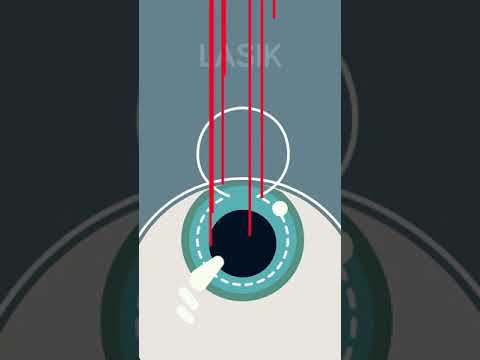
Laser eye surgery is one of the most well-known types. It corrects vision problems like nearsightedness, farsightedness, and astigmatism. The procedure reshapes your cornea—the clear front part of your eye—using laser technology.
Think of the cornea like a window. If it’s not shaped right, you can’t see clearly. Laser surgery helps to fix that shape, allowing light to focus correctly on your retina, which is like a screen at the back of your eye.
Cataract Surgery
Cataracts happen when the lens inside your eye becomes cloudy. This can make things blurry or faded. In cataract surgery, the cloudy lens is removed and replaced with a clear artificial lens.
You can picture this as replacing an old light bulb with a new one in a lamp—it brightens up everything again! People usually feel better immediately after this kind of surgery.
Glaucoma Surgery
Glaucoma is another serious condition that can affect vision by damaging the optic nerve often due to high pressure inside the eye. There are different surgeries for glaucoma—some aim to reduce this pressure by creating new drainage paths for fluid in the eye.
If you think about water building up in a bathtub without proper drainage—it eventually overflows! Glaucoma surgery helps prevent that overflow from impacting your sight.
Pterygium Surgery
Pterygium involves growths on the surface of your eye which might be irritating or affect vision when they’re large enough. Pterygium surgery removes these growths to help restore comfort and clarity.
This could be likened to trimming back an overgrown plant that’s starting to block sunlight from coming into a room!
Your Options After Surgery
After any kind of eye surgery, it’s important to follow up with care and monitor healing closely. Recovery time varies widely based on individual factors and type of procedure done. Sometimes people notice improved vision almost right away; sometimes it takes longer.
Closing Thoughts
If you’re considering any form of eye surgery or want more info about improving your vision, it’s crucial to consult with an optometrist or ophthalmologist rather than relying solely on articles or online resources. They can provide what’s best for you based on personal health histories and conditions.
- No two eyes are exactly alike!
- Surgery isn’t always necessary; some issues might improve with glasses or contacts first.
- The decision should be informed by facts shared in consultations.
- Your lifestyle needs should also play a role in what’s best for you!
Unlocking a Clearer Vision and a Brighter Future
Understanding Different Types of Eye Surgery
When it comes to clearer vision, eye surgery is one option that many people consider. It’s actually a broad category encompassing various procedures, each designed for specific issues. Let’s break down some common types of eye surgeries and what they aim to achieve.
Cataract Surgery
Cataracts are like cloudy glasses that form over the lens of your eye. They can make things look blurry or dim. In cataract surgery, the cloudy lens is removed and often replaced with an artificial one. Think of it as upgrading from an old, scratched phone screen to a brand new one!
If you’ve got nearsightedness or farsightedness, LASIK might come up in conversation. This procedure reshapes the cornea—the front part of the eye—allowing light to focus better on the retina at the back. Imagine a camera lens being adjusted for clarity; that’s somewhat like what happens with LASIK.
PRK (Photorefractive Keratectomy)
PRK is similar to LASIK but takes a different approach. Instead of creating a flap in the cornea, PRK removes its outer layer entirely before reshaping it. The recovery can take longer than LASIK, but for some folks, it’s a good option, especially if their corneas are thinner.
Glaucoma Surgery
Glaucoma involves increased pressure in the eye which can damage the optic nerve over time. Surgeries here aim to lower this pressure by creating new drainage routes or improving existing ones. It’s like fixing clogged pipes so water flows freely again.
Pterygium Surgery
Pterygium is when tissue grows over the surface of your eye—a bit like a small growth—and it can cause irritation or vision problems. The surgery entails removing this growth and often involves grafting tissue from elsewhere on your body for repair.
What Should You Consider?
Before opting for any surgery, it’s essential to have thorough discussions with an eye care provider about risks and benefits as well as what outcome you might realistically expect—not all surgeries suit everyone.
- Your overall health matters; some conditions could affect healing.
- Aging eyes may respond differently than younger ones.
- Your lifestyle will impact how quickly you return to activities post-surgery.
Surgery carries inherent risks too—some patients report dry eyes or glare after procedures like LASIK or PRK. Understanding these beforehand can help set realistic expectations!
The Bottom Line
Surgery isn’t always necessary for better vision; there are options like glasses or contact lenses that work just fine! But when considering surgery as an avenue towards clearer sight, it’s about finding what works best for you personally based on your unique circumstances.
Navigating vision correction options might feel overwhelming at times. Take your time; gather information from reliable sources and don’t hesitate to ask questions when in doubt!
Exploring Your Options for Vision Restoration and Eyewear Alternatives
Understanding Your Vision Restoration Options
When it comes to vision problems, the choices can be overwhelming. You know, there are glasses, contacts, and various types of eye surgeries. Each option has its pros and cons. Let’s break it down a bit.
Eyewear Alternatives
First things first: eyeglasses. They’re probably the most common way to correct vision. Glasses come in lots of styles and can help with different issues like nearsightedness or farsightedness. The nice thing about them is that they don’t require anything invasive.
You might also consider contact lenses. Many people prefer contacts for their convenience and natural look. They rest directly on your eye surface instead of sitting on your nose like glasses do. Just keep in mind that they involve more maintenance.
Types of Eye Surgery
If you’re looking beyond eyewear, surgery could be an option for restoring vision. One well-known type is LASIK (Laser-Assisted In Situ Keratomileusis). This procedure reshapes the cornea—the clear front part of your eye—to improve how light focuses on the retina.
An alternative is PRK (Photorefractive Keratectomy). Like LASIK, it aims to correct refractive errors but involves removing the outer layer of the cornea instead of creating a flap like in LASIK.
The Risks and Rewards
Eye surgery can sound tempting but it’s not without risks—like any medical procedure really. Some people experience dry eyes or glare after surgery. Others may still need glasses or contacts for certain activities even after surgery.
You have to weigh these factors against what’s important for your life style and vision needs. You know? For some, a little hassle with glasses might feel easier than going through surgery.
Consulting With Professionals
If you’re seriously considering an option, talking to an eye care professional is key—they can provide personalized advice based on your specific situation,. They’ll often discuss your medical history and any current conditions that could impact your decision.
Your Personal Choice
Ultimately, what works best varies from person to person. Some folks thrive with just glasses or contacts while others feel liberated after getting surgery! It’s about aligning your choices with what feels right for you.. Remember: there’s no one-size-fits-all solution for vision restoration!
Understanding Different Types of Eye Surgery: A Helpful Overview
Hey, let’s talk about eye surgery. It sounds a bit daunting, but honestly, understanding the different types can empower you. There are a few main types, and knowing them helps to demystify the process.
Cataract Surgery
Cataract surgery is commonly performed to remove cloudy lenses in your eyes. You know when you’re looking through a dirty window? That’s what cataracts feel like. The surgeon replaces the cloudy lens with a clear artificial one.
LASIK Surgery
Then we have LASIK. This one’s super popular for people who want to ditch glasses or contact lenses. Imagine shaping a contact lens directly on your eye to improve vision instantaneously—that’s essentially what happens during LASIK surgery.
Glaucoma Surgery
Glaucoma is another concern that sometimes requires surgery. The goal here is usually to lower eye pressure. Think of it as installing a drain to prevent water from overflowing—you’re helping the eye maintain proper fluid balance.
Vitrectomy
A vitrectomy involves removing the gel-like substance inside your eyes if it’s causing problems, like bleeding or detachment. Picture cleaning out an old fish tank—sometimes you need to remove muck for everything else to function smoothly.
Pterygium Surgery
If you’ve heard of pterygium, it’s that growth on the eyeball that can affect vision and comfort. The surgery removes it and helps restore normal appearance; kind of like trimming overgrown weeds in your garden!
The Takeaway
The key takeaway here is that while eye surgeries sound intense, they serve specific purposes with good outcomes most of the time. It’s all about improving quality of life—seeing clearly can make such a difference! And remember, each type has its own benefits and risks.
If you’re considering any eye surgeries or just curious, chatting with an ophthalmologist can help clarify things further for you!