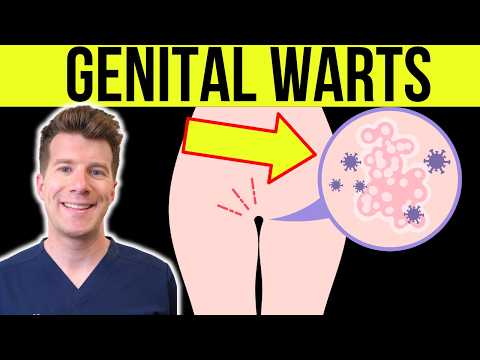
Warts are small, benign growths on the skin that can pop up anywhere on your body. They are caused by the human papillomavirus (HPV) and can vary in appearance, size, and location. While they are generally harmless, warts can be bothersome or even embarrassing for many people.
The world of warts is diverse! You might encounter common warts, plantar warts on the soles of your feet, or flat warts that are smoother and often found in clusters. Each type has its unique characteristics and treatments.
Exploring this topic offers helpful insights into how to identify different types of warts, methods to treat them effectively, and tips to manage them at home. Understanding your options empowers you when it comes to dealing with these little skin bumps.
However, it’s essential to approach this topic with caution. Not all growths on the skin are warts; some could signify other underlying conditions. Self-diagnosis is not recommended. Always consult with healthcare professionals for accurate information and advice tailored to your situation. In a world rich with information—from online resources to specialist consultations—make sure to gather insights from credible sources before deciding on a course of action regarding any skin issue you may face.
The information provided in this article is intended solely for general informational and educational purposes. It does not constitute medical advice, diagnosis or professional treatment, and should not be considered a substitute for consultation with a qualified doctor or other licensed healthcare professional. Any health-related decisions should be made in consultation with accredited medical professionals.
While efforts have been made to ensure the information is accurate and up to date, no guarantees are given—either express or implied—regarding its accuracy, completeness, currency or suitability. Use of this information is at your own discretion.
It is strongly recommended to consult official sources such as the NHS (National Health Service) or other recognised medical institutions before acting on any information contained on this website or article. Under no circumstances should professional medical advice be ignored or delayed due to content read here.
This content is of a general and informational nature only. It is not intended to replace individualised guidance from a healthcare professional or to establish any doctor-patient relationship. The publication of this information does not imply any professional responsibility, guarantee or obligation on the part of the author or this site.
Uncovering the Best Solutions for Effective Wart Relief
Warts can be a common nuisance for many people. They are small, rough growths on the skin caused by a virus called HPV—human papillomavirus. Warts typically appear on hands, feet, and face. But they can show up anywhere.
There are several types of warts. Each has its unique characteristics:
Treating warts can involve various methods. The right choice depends on factors like wart type, location, and personal preference.
Cryotherapy is one popular option. This involves freezing the wart with liquid nitrogen. It’s like putting an ice pack on your skin to numb it!
Another method is salicylic acid. This treatment peels away the wart gradually over time. Think of it as sanding down a rough surface until it’s smooth.
Some people choose to have their warts surgically removed or laser-treated in more stubborn cases. These options may sound extreme but can be effective.
Home remedies sometimes pop up in conversations. From duct tape to vinegar solutions, many swear by them. However, evidence supporting these isn’t strong.
It’s important to note that not all warts need treatment; some disappear on their own over time. It’s like waiting for snow to melt in spring!
Keep in mind that healthy habits boost your immune system too! Eating well and staying hydrated helps your body fight off viruses.
If you’re unsure about a wart or you’ve noticed changes, it’s wise to consult someone knowledgeable in health matters. Always good to double-check before opting for a treatment route!
In summary, understanding warts gives you better options for managing them effectively. Remember: what works for one person might not work for another!
Being educated empowers you to make informed decisions about your health without fear or uncertainty.
Uncovering the Myths and Facts Behind HPV Types 1, 2, 4, 27, and 29
Human Papillomavirus (HPV) is a group of more than 200 related viruses. Some types of HPV are known for causing warts, while others can lead to various cancers. It’s important to distinguish between the myths and facts regarding specific HPV types, such as 1, 2, 4, 27, and 29.
First, let’s talk about what warts are. Warts are benign (non-cancerous) growths on the skin caused by certain types of HPV. They often appear on hands and feet but can show up anywhere on the body.
HPV Type 1 is mainly associated with plantar warts. These warts grow on the soles of the feet and can be painful due to pressure from walking. Many people mistakenly think that all warts are contagious in the same way; however, plantar warts develop in specific circumstances.
HPV Type 2 is common in causing common warts that appear on fingers and hands. You may hear mixed messages about transmission. It’s true that these warts can spread through direct contact or surface sharing, like when using shared tools.
HPV Type 4 also leads to common warts but is less frequently mentioned than types 1 and 2. It largely presents similar symptoms as type 2. The way it spreads is similar too—through direct contact or touching surfaces contaminated with the virus.
Types 27 and 29 are less commonly discussed but hold significance as well. They tend to cause flat warts which often appear on the face or back of hands. People sometimes think flat warts aren’t contagious because they’re not as visible or protruding but that’s not correct.
It’s a myth that once you have had an HPV-related wart, you can’t get another one from a different type of HPV. The truth is each type behaves independently; getting one doesn’t provide immunity against others.
Treatment options for warts vary widely—ranging from topical solutions to cryotherapy (freezing). However, it’s essential to remember that some treatments might remove visible symptoms without eliminating the virus entirely.
Many believe that home remedies can reliably treat all types of warts effectively; however, evidence supporting this notion varies significantly based on individual cases and wart types.
In summary:
Understanding these facts helps demystify HPV-related issues surrounding skin health. When you have questions or experience changes regarding your health, reaching out for advice from knowledgeable sources is always best practice.
Say Goodbye to Warts Forever with Easy, Effective Solutions
Warts are common skin growths caused by the human papillomavirus (HPV). They can show up on various parts of the body, with some types being more frequent than others.
There are a few main types of warts:
While they’re generally harmless, many people want to get rid of them for cosmetic reasons or discomfort.
There are several methods to treat warts effectively. Over-the-counter treatments often contain salicylic acid. This works by peeling away layers of skin. Think of it like exfoliating but for your wart.
Cryotherapy is another option, where freezing the wart causes it to fall off eventually. It’s similar to using ice on a bruise but for stubborn skin spots.
Some people choose to visit a healthcare provider for professional treatments like laser therapy or minor surgical removal. These methods are usually quick and can be very effective.
A less known method is duct tape occlusion therapy. This involves covering the wart with duct tape continuously for several days, which may irritate it enough for healing to occur—like creating a mini sauna effect.
Home remedies pop up often too, like applying apple cider vinegar or garlic. Some individuals swear by these methods, but scientific support varies greatly.
It’s essential to keep in mind that not all solutions work for everyone. Warts can also come back after treatment because HPV stays in your body.
Keeping good hygiene can help prevent new warts from forming as well as avoiding direct contact with someone else’s warts.
If you have persistent or painful warts, consider reaching out to a healthcare provider for advice tailored just for you.
Remember that while many options exist, there’s no one-size-fits-all solution when dealing with warts! Educate yourself about what works best and be open-minded about different approaches.
Warts are a common skin condition caused by the human papillomavirus (HPV). They appear as small, rough growths on various parts of the body, primarily the hands and feet. While warts are usually harmless, understanding their types and treatment options is essential for effective management.
There are several types of warts: common warts, plantar warts, flat warts, and genital warts. Each type has unique characteristics. For instance, plantar warts occur on the soles of the feet and may feel like small pebbles underfoot. Flat warts can appear in clusters and are typically smoother than other types.
Most individuals will encounter warts at some point in their lives. While they can be bothersome or unsightly, many people opt for watchful waiting since some warts resolve spontaneously over time. However, various treatment methods exist for those seeking quick relief or removal. Options range from topical treatments to cryotherapy (freezing) and laser therapy.
It’s important to debunk a common myth: touching a wart does not spread it to another part of your body or to someone else directly. HPV is spread primarily through direct skin-to-skin contact or contact with contaminated surfaces.
In sum, while warts may be an everyday nuisance for many people, understanding their nature helps demystify them. This knowledge empowers individuals to make informed decisions regarding treatment options while reducing unnecessary anxiety about what is often a benign condition.