The information provided in this article is intended solely for general informational and educational purposes. It does not constitute medical advice, diagnosis or professional treatment, and should not be considered a substitute for consultation with a qualified doctor or other licensed healthcare professional. Any health-related decisions should be made in consultation with accredited medical professionals.
While efforts have been made to ensure the information is accurate and up to date, no guarantees are given—either express or implied—regarding its accuracy, completeness, currency or suitability. Use of this information is at your own discretion.
It is strongly recommended to consult official sources such as the NHS (National Health Service) or other recognised medical institutions before acting on any information contained on this website or article. Under no circumstances should professional medical advice be ignored or delayed due to content read here.
This content is of a general and informational nature only. It is not intended to replace individualised guidance from a healthcare professional or to establish any doctor-patient relationship. The publication of this information does not imply any professional responsibility, guarantee or obligation on the part of the author or this site.
Understanding HIV Risks: Are Vampire Facials Safe?
Have you heard about vampire facials? They’re the latest trend in beauty, mixing a little bit of glamour with a touch of science. But here’s the catch: what if I told you that some beauty treatments could carry health risks, including the potential for HIV transmission? Sounds alarming, right?
The truth is, many people are curious about procedures like this one but don’t really know much about their safety. Whether you’re considering trying it or just heard a friend mention it, it’s important to understand what’s involved. Vampire facials use your own blood to rejuvenate your skin, and while that sounds fascinating, it raises some questions.
This article will dive into the specifics of vampire facials and how they relate to HIV risks. By unpacking these elements, you can make informed choices about your skincare routines. Remember though: this content does not replace professional medical advice, and health decisions should always be made in consultation with a qualified healthcare provider.
Transform Your Skin: Witness the Amazing Results of a Vampire Facial
What is a Vampire Facial?
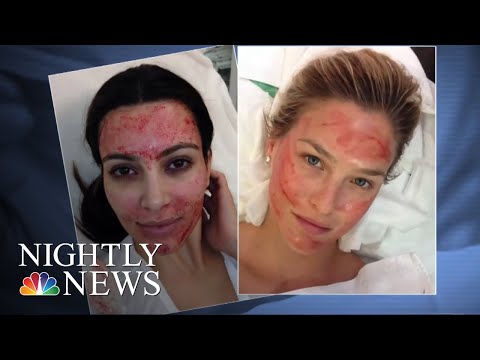
A vampire facial, or PRP (platelet-rich plasma) therapy, involves drawing your blood, processing it, and then injecting it back into your skin. The idea is to use the growth factors in your own platelets to improve skin texture and tone.
How Does It Work?
First, a bit of blood is taken from your arm. Then, it’s spun in a centrifuge to separate the plasma from red blood cells. After that, this concentrated plasma is injected into different areas of the face.
The goal? To stimulate collagen production and healing. Collagen is like the scaffolding of your skin; more collagen means firmer and healthier skin.
Are Vampire Facials Safe?
Now onto safety—this is where things can get tricky. There are risks associated with any procedure that involves needles and drawing blood. The biggest concern when talking about vampire facials relates to HIV transmission.
HIV is primarily transmitted through bodily fluids like blood. If proper protocols aren’t followed during the process—like using sterile equipment—the risk could potentially increase.
Understanding the Risks
- Infection: If equipment isn’t sterile or if aftercare isn’t carried out properly, you may be risking an infection.
- Cross-contamination: This can occur if someone else’s blood or bodily fluid comes into contact with your treatment area.
- Mishandling: Improper technique by any technician can lead to complications such as scarring or bruising.
The Importance of Research
If you’re considering this treatment, it’s crucial to thoroughly research where you’re getting it done. Find a reputable clinic with trained professionals who adhere strictly to health standards for safety. Look up reviews and ask questions about their sterilization processes.
A Personal Perspective
Your friend might have raved about their experience with vampire facials—they might have seen some improvement! But remember that everyone’s body reacts differently. While some might love what they see after treatment, others may not notice much at all.
A Final Thought
This isn’t just about aesthetic improvements; understanding potential risks involved helps empower you as a consumer. Always stay informed when considering treatments like these! It’s all about making choices that feel right for you while keeping health concerns in mind too.
Understanding the Impact of HIV on PRP Treatment Options
HIV, or Human Immunodeficiency Virus, affects how your immune system functions. This virus can make individuals more susceptible to infections and complications. So, when it comes to aesthetic treatments like PRP, or Platelet-Rich Plasma therapy, there are some factors to consider.
PRP involves taking a small amount of your blood, processing it to isolate the platelets, and injecting it back into your skin for various benefits—like reducing wrinkles or improving acne scars. However, if someone is living with HIV, their situation might be a little different.
How Does HIV Affect PRP?
The primary concern is that HIV impacts your immune response. If you have a weakened immune system due to HIV, there’s a potential risk of complications from any procedure that involves injections.
The Risks Involved
- There could be a higher chance of infection because the body might not respond as well to heal intrusions.
- A person with uncontrolled HIV might experience delayed healing after PRP treatments.
- There’s also the importance of sterile techniques; if equipment isn’t properly sanitized—think about blood-borne pathogens—that could pose risks for anyone receiving treatment.
A Safe Approach?
If someone with HIV is considering PRP therapy, talking with healthcare providers who understand both aesthetics and HIV is crucial. They can help assess individual risks and tailor treatment plans accordingly.
The Vampire Facial Debate
You may have heard about “vampire facials,” which use your own blood similar to PRP treatments. The concern here is still centered around safety and sanitation practices during these procedures. If proper protocols aren’t followed? You know? It can lead to complications—not just from possible infections but also from cross-contamination.
Conclusion: Stay Informed
Aesthetics should never compromise safety. If you’re living with HIV and are curious about therapies like PRP or vampire facials, keep asking questions and seeking out knowledgeable professionals in both areas. A thoughtful approach goes a long way in making informed choices!
Unlock Radiant Skin with the Power of Platelets
Understanding Platelet-Rich Plasma and Vampire Facials
So, let’s talk about vampire facials. They sound super intriguing, right? Basically, a vampire facial involves using your own blood to rejuvenate your skin. The process usually starts with drawing a small amount of blood from your arm. Then, the blood is spun in a centrifuge to separate the red blood cells from the plasma—the golden liquid that’s rich in growth factors.
These growth factors are thought to promote healing and potentially improve skin texture. It’s why people are curious about how they can turn back the clock on their faces! But what about safety? It’s totally normal to have questions, especially when it comes to medical procedures involving blood.
Understanding HIV and Bloodborne Risks
Here’s where it gets a bit tricky. HIV spreads primarily through direct contact with infected bodily fluids. This would include things like blood during transfusions or certain medical procedures. So if someone is thinking of getting a vampire facial, it’s crucial to ensure that all equipment is sterile and that the practitioner follows strict safety protocols.
If you’re in a reputable clinic where everything is properly disinfected, risks can be minimized significantly. It’s always wise to look for clinics that follow health regulations closely, you know?
What Can Go Wrong?
No procedure is without risk. If tools aren’t sanitized properly or if there’s any contamination during the process, there could be potential exposure to infections—not just HIV but also hepatitis B and C among others.
- This leads us back to choosing where you go for these treatments.
- Avoid places that seem unprofessional or don’t have good reviews from past clients.
- If something feels off about the place – trust your gut!
A Quick Note on Platelet Rich Plasma (PRP)
The idea behind PRP therapy is all about harnessing your own body’s healing properties. But this doesn’t mean it guarantees amazing results for everyone; different skin types will have different reactions! It might help some folks look fresher while others could see little change at all.
You might find some clinics touting miraculous transformations—but always approach those claims with caution. Realistically speaking, results can vary widely based on individual cases and overall skin condition.
The Bottom Line
Vampire facials can be an exciting option for those looking into skincare innovations, but they come with considerations—especially regarding safety and hygiene standards. Always ask questions before committing! If something seems unclear or you’re unsure about the risks involved speak up!
The goal here isn’t just radiant skin; it should also involve peace of mind knowing you’re being taken care of correctly—because after all, your health matters just as much as how you look!
Understanding HIV Risks: Are Vampire Facials Safe?
Vampire facials have gained traction recently as a trendy skincare treatment. It’s intriguing, blending the art of aesthetics with a bit of blood. But the question arises: are they safe, particularly concerning HIV risks? To grasp this, let’s break it down.
Vampire facials involve drawing your blood, processing it to extract platelet-rich plasma (PRP), and then applying it back to your skin. Sounds fancy, right? The allure lies in its purported benefits for rejuvenation and healing.
Now, when we talk about safety in terms of HIV risk, one major consideration is cleanliness. If the procedure is performed in an unsterile environment or with contaminated instruments, there’s a genuine risk for infections. This includes not just HIV but other bloodborne pathogens too.
The good news is that licensed practitioners should follow strict sanitation guidelines. Using new needles and properly disposing of all materials greatly reduces risks. Think of it like any medical procedure; safety protocols are crucial.
A growing concern, however, centers around procedures happening in less regulated settings—like some beauty salons or spas that may not adhere to medical standards. This raises red flags about potential exposure to diseases if hygiene practices aren’t up to par.
So what can you do? Research your provider thoroughly. Check their qualifications and read reviews from previous clients. Feeling unsure? It’s always best to consult with a healthcare professional about any concerns before going ahead with treatments that involve blood.
In essence, vampire facials can be safe if performed correctly by qualified individuals in sterile conditions. But always remain vigilant about where and whom you trust with such procedures!