
The information provided in this article is intended solely for general informational and educational purposes. It does not constitute medical advice, diagnosis or professional treatment, and should not be considered a substitute for consultation with a qualified doctor or other licensed healthcare professional. Any health-related decisions should be made in consultation with accredited medical professionals.
While efforts have been made to ensure the information is accurate and up to date, no guarantees are given—either express or implied—regarding its accuracy, completeness, currency or suitability. Use of this information is at your own discretion.
It is strongly recommended to consult official sources such as the NHS (National Health Service) or other recognised medical institutions before acting on any information contained on this website or article. Under no circumstances should professional medical advice be ignored or delayed due to content read here.
This content is of a general and informational nature only. It is not intended to replace individualised guidance from a healthcare professional or to establish any doctor-patient relationship. The publication of this information does not imply any professional responsibility, guarantee or obligation on the part of the author or this site.
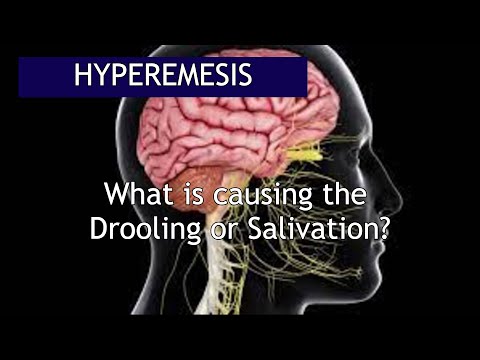
Have you ever found yourself suddenly drooling during a movie or at dinner? It can be, honestly, pretty embarrassing. That’s not just something that happens by chance; it’s called hypersalivation.
This condition, where your mouth produces too much saliva, can be surprising and even uncomfortable. You’re definitely not alone if you’ve noticed extra spit when you’re anxious or tasting something delicious. Yet, for some people, hypersalivation can feel like a constant annoyance.
Understanding the causes behind this issue is key to finding effective treatment options. Sometimes it’s linked to medication side effects, certain medical conditions, or even lifestyle factors. Knowing what’s going on in your body can help put your mind at ease.
This article will explore the various reasons why you might experience hypersalivation and discuss ways to manage it. Remember though—while this information is helpful, it doesn’t replace professional medical advice. Always consult a healthcare professional before making any health decisions.
Let’s dive into this topic together and clear up those concerns about excessive saliva!
Understanding the Unexpected Increase in Your Saliva Production
Understanding Hypersalivation: Causes and Treatment Options
Hypersalivation, or excessive saliva production, can be quite puzzling. It’s when your mouth seems to be overflowing with saliva more than usual. You might be wondering why this is happening, right? Let’s break it down.
What Causes Excess Saliva?
There are several reasons that could lead to increased saliva. Sometimes it happens when you’re excited or anxious—think of how your mouth waters when you see your favorite food. Stress makes some people drool more; it’s just part of the body’s response.
Infections also play a role. Conditions like oral infections or tonsillitis can trigger hypersalivation because your body is trying to flush out germs. Similarly, allergies can lead to increased mucus and saliva production as a way to protect your airways.
Medications and Other Health Issues
Certain medications can have side effects that include increased saliva. If you’re on something for depression or a neurological condition, you might experience this problem.
Now, there are medical conditions that could cause hypersalivation too. Problems like Parkinson’s disease or gastroesophageal reflux disease (GERD) can result in more saliva than usual. It’s basically one way the body responds to an underlying issue.
What Solutions Are Out There?
If you find yourself dealing with quite a bit of extra spit, treatment options vary based on the cause. If it’s related to medication, sometimes adjusting the dosage helps—always have that conversation with your healthcare provider.
Your doctor might recommend certain medications specifically designed to reduce salivation too. Think of these as tools that help manage the symptoms rather than getting rid of what’s causing them.
Pacing Your Diet Matters
You may also consider dietary changes if certain foods trigger hypersalivation for you personally. Spicy or acidic foods often stimulate saliva production—so cutting back could provide some relief.
A Final Note
It’s important not to overlook any significant change in your body like this one! Regular check-ups with a healthcare professional can help ensure there isn’t something deeper going on.
If you’re puzzled by unexpected increases in saliva, don’t hesitate to reach out for advice tailored specifically for you! Just remember: while excess saliva is usually not harmful itself, understanding its root cause is key for effective management!
Effective Solutions for Managing Excessive Saliva Production
Understanding Hypersalivation
Excessive saliva production, known as hypersalivation, can be quite uncomfortable. You might find yourself constantly needing to swallow or spit. It can affect your social life and even cause anxiety in some situations.
What Causes Hypersalivation?
There are several reasons why someone might experience this condition. One common cause is dental issues, like cavities or gum disease. These problems can stimulate saliva production as your body tries to heal itself.
Another factor could be medication side effects. Some drugs, especially those for conditions like high blood pressure or depression, may lead to increased saliva production. And then there are certain health conditions such as Parkinson’s disease or gastroesophageal reflux disease (GERD) that can also lead to hypersalivation.
Symptoms of Excessive Saliva
You may notice a few key symptoms if you’re dealing with excessive saliva. Look out for drooling or the constant feeling of needing to swallow more than usual. Bad breath can also occur since the bacteria in saliva multiply if it hangs around too long.
Treatment Options
When it comes to managing hypersalivation, treatment options vary based on the cause you have. For instance, if an underlying dental issue is present, treating that could help reduce saliva production.
- Medications: Some medicines can help manage excess saliva by reducing secretions.
- Dentist intervention: If dental issues are causing the problem, your dentist might suggest treatments like fillings or cleanings.
- Lifestyle changes: Sometimes simply staying hydrated and adjusting your diet might lessen symptoms.
- Surgery: In rare cases where other treatments don’t work, surgical options may be considered to reduce salivary gland size.
When To Seek Help
If excessive saliva is impacting daily life significantly — say affecting your ability to talk comfortably — it’s worth chatting with a healthcare provider. They can help determine any underlying causes and suggest a personalized plan that fits your needs nicely!
Myths About Hypersalivation
A common myth is that hypersalivation only happens in children or during specific illnesses. The truth is adults can face this issue too! Additionally, it’s not solely linked with eating—anxiety and stress can also play a role here.
The Bottom Line
Dealing with excessive saliva isn’t just annoying; it can feel embarrassing too. However understanding what causes it and knowing what options exist makes tackling it much easier! There’s no one-size-fits-all solution—everyone’s situation is different—so staying informed and proactive about care really helps!
Simple Solutions for Managing Excessive Saliva in Your Everyday Life
Understanding Hypersalivation
Hypersalivation, or excessive saliva production, can be a real bother in everyday life. It’s more than just drooling; it can affect speaking, eating, and even self-esteem. So, what causes this condition? Let’s break it down.
Common Causes
A variety of factors may lead to hypersalivation. For instance:
- Certain medications: Some drugs like those for Parkinson’s disease or specific antipsychotics can increase saliva production.
- Medical conditions: Things like gastroesophageal reflux disease (GERD) or infections in the mouth may trigger more saliva.
- Pregnancy: Hormonal changes during pregnancy might also cause an increase in saliva.
- Mental health factors: Stress and anxiety can sometimes cause your salivary glands to go into overdrive.
Everyday Management Strategies
If you’re dealing with excessive saliva, there are some strategies that can make things easier. Starting with simple lifestyle adjustments:
- Certain foods help: Try munching on crunchy snacks like carrots or apples—they stimulate chewing and might balance saliva levels.
- Mouthwashes: Using alcohol-free mouthwash could help manage moisture in your mouth without being harsh on soft tissues.
- Sipping water: Staying hydrated with small sips throughout the day may prevent overwhelming drooliness.
Treatment Options
If lifestyle changes aren’t enough, you might want to consider other options. Doctors sometimes recommend treatments such as:
- Mouthguards: Wearing a custom mouthguard at night can prevent issues related to excess saliva while sleeping.
- BOTOX injections: Botulinum toxin injections can temporarily reduce salivation by blocking nerve signals.
The Importance of Talking to Someone
You know, keeping an open line of communication with a healthcare professional is key. They can help identify underlying issues causing hypersalivation. They may also suggest possible treatments tailored just for you—always great to have options!
A Final Thought
Navigating hypersalivation isn’t always easy, but figuring out what triggers it is a big step forward. Small changes in diet and behavior combined with professional guidance might bring relief. Remember—it’s important to approach this condition thoughtfully, and there’s support available if you need it!
Understanding Hypersalivation: Causes and Treatment Options
Hypersalivation, or excessive saliva production, can be a puzzling condition. There are various reasons why someone might experience this, and understanding those causes is crucial for effective management.
Common causes include certain medications, like those for high blood pressure or mental health conditions. Some neurological disorders can also lead to increased saliva. For instance, conditions such as Parkinson’s disease or multiple sclerosis might cause this issue due to nerve miscommunication.
Infections of the mouth or throat, dental issues, and even acid reflux can contribute to hypersalivation. Imagine your body as a machine; when one part isn’t working right—like your digestive system—it can cause other parts to overcompensate.
Treatment options vary depending on the underlying cause. If a medication is at fault, doctors might adjust dosages or prescribe alternatives. In some cases, specific oral medications that reduce saliva production may be helpful.
Additionally, there are non-medical approaches. For example, practicing good oral hygiene can sometimes help manage symptoms. Staying hydrated and making dietary adjustments may also alleviate discomfort.
It’s important to remember that hypersalivation isn’t just annoying; it can impact daily life significantly. Talking with a healthcare provider is key to finding personalized treatment options that work best for each individual.
The interaction between these factors often requires a holistic approach—addressing not only the symptoms but also the root causes behind hypersalivation will yield the best results in treatment strategies.

