The information provided in this article is intended solely for general informational and educational purposes. It does not constitute medical advice, diagnosis or professional treatment, and should not be considered a substitute for consultation with a qualified doctor or other licensed healthcare professional. Any health-related decisions should be made in consultation with accredited medical professionals.
While efforts have been made to ensure the information is accurate and up to date, no guarantees are given—either express or implied—regarding its accuracy, completeness, currency or suitability. Use of this information is at your own discretion.
It is strongly recommended to consult official sources such as the NHS (National Health Service) or other recognised medical institutions before acting on any information contained on this website or article. Under no circumstances should professional medical advice be ignored or delayed due to content read here.
This content is of a general and informational nature only. It is not intended to replace individualised guidance from a healthcare professional or to establish any doctor-patient relationship. The publication of this information does not imply any professional responsibility, guarantee or obligation on the part of the author or this site.
Ever found yourself feeling a bit off after a long day in the sun? Or maybe you’ve seen a little one looking too pale after a bout of vomiting? That’s dehydration, and it can sneak up on anyone—at any age.
Here’s an interesting fact: your body is about 60% water. It’s crucial for just about every function. So, when you lose fluids, whether from heat, illness or exercise, your body needs help to bounce back.
This is where Pedialyte comes into play. It’s not just for kids; adults can benefit too! This rehydration solution replaces lost fluids and electrolytes quickly. Elements like sodium and potassium are vital—they help keep our bodies in balance.
In this article, we’ll break down how Pedialyte works and its role in treating dehydration across all ages. Understanding this can empower you to make informed decisions for yourself or loved ones when the need arises.
But remember, this content isn’t a substitute for medical advice. Always consult with a healthcare professional before making health choices.
Unlocking the Benefits of Pedialyte for Adult Hydration and Recovery
Understanding Pedialyte for Adults
Pedialyte isn’t just for kids. It’s often recommended for adults too, especially when hydration is key. Picture this: after a long workout, you might feel drained. You reach for water but sometimes that isn’t enough.
So, what’s the deal with Pedialyte? It’s an oral rehydration solution designed to replenish fluids and electrolytes. Electrolytes are minerals like sodium and potassium that help maintain your body’s balance.
When Should Adults Use Pedialyte?
You might wonder when it’s a good idea to reach for Pedialyte. After illness—like vomiting or diarrhea—many people become dehydrated. But it’s also handy after intense exercise or during hot weather.
The thing is, when your body loses fluids quickly, plain water may not do the trick. This is where Pedialyte shines because it replaces not just water but essential electrolytes too.
What’s Inside Pedialyte?
The main ingredients in Pedialyte include water, sugars like dextrose, and electrolytes such as sodium and chloride. These components work together to ensure faster absorption in the body.
You can think of it like a sponge soaking up water quickly—it helps your cells take in fluids more efficiently than just drinking regular water alone.
Potential Benefits for Hydration
- Quicker Recovery: After workouts or dehydration from illness, rehydration can happen faster with the right balance of fluids and electrolytes.
- Taste: Some people find that flavored options make drinking liquids easier during recovery periods.
- Diverse Uses: Whether you’re an athlete or recovering from flu-like symptoms, it’s often seen as a versatile solution.
Misperceptions About Pedialyte
A common myth is that adults should stick strictly to plain water post-exercise. But if you’ve ever felt lightheaded after sweating excessively, you likely understand how important it is to replenish lost nutrients too.
A balanced view acknowledges that while hydration needs vary from person to person based on activity levels and age, sometimes reaching for something like Pedialyte can complement your hydration strategy really well.
Cautions When Using Pedialyte
Easily available over-the-counter doesn’t mean it’s always the go-to choice for every adult situation. Those with specific health issues should consider consulting with someone knowledgeable about their individual requirements first.
If you’re managing underlying conditions like kidney disease or diabetes, having a chat about electrolyte intake may be particularly important before adding anything new to your routine.
Your Personal Hydration Strategy
Incorporating products like Pedialyte should be part of a broader approach to hydration. Remember to listen to your body; sometimes thirst is the best guide we have!
- Diverse Hydration Sources: Think beyond just drinks—fruits and veggies also contribute valuable fluids!
- Avoid Overdoing It: While staying hydrated is crucial, moderation applies here too; there can be too much of even a good thing.
If you’re curious about what works best for you personally concerning hydration needs—always feel open asking questions! Knowledge is empowering when taking care of our health journey together.
The Essential Guide to Staying Hydrated and Restored
The Importance of Staying Hydrated
Hydration is super important for everyone. Our bodies are made up of about 60% water, and that water is essential for just about everything we do. It helps us regulate our body temperature, transport nutrients, and remove waste. Think of water as the oil in a car—it keeps everything running smoothly.
Causes of Dehydration
Dehydration happens when you lose more fluids than you take in. This can occur due to several reasons, like sweating a lot on hot days, being sick with fever or diarrhea, or not drinking enough throughout the day. Honestly, it can sneak up on you if you re not paying attention.
Signs of Dehydration
How can you tell if you re dehydrated? Well, look out for things like dry mouth, fatigue, dizziness, or darker urine—those are some common signs. If you re feeling really thirsty or notice your skin doesn t bounce back quickly when pinched—that s a signal too!
The Role of Pedialyte
You might have heard of Pedialyte; it s often used to help when someone is dehydrated. It s a rehydration solution designed for both kids and adults that contains electrolytes—like sodium and potassium—in addition to water.
What Are Electrolytes?
Electrolytes are minerals that carry an electrical charge and help with various bodily functions including muscle contractions and regulating fluid balance. They’re like little helpers making sure everything runs without a hitch.
Pedialyte vs Water
So why choose Pedialyte over plain old water sometimes? Well, while plain water is great for staying hydrated during normal activities, when dehydration hits hard—particularly from diarrhea or vomiting—Pedialyte provides those extra electrolytes our bodies need to recover more effectively.
Pediatric Use
Pediatric use is one area where many people turn to Pedialyte first. Kids can get dehydrated faster than adults because they have smaller bodies and often drink less fluid overall. Parents should look out for signs in their children if they’ve been sick.
Dosage Considerations
If you re considering giving Pedialyte to a child—or even an adult—it s best to follow the instructions on the package regarding amounts based on age or severity of dehydration. Overdoing it isn’t necessary; just stick to recommended guidelines.
The Bottom Line
Staying hydrated is key at every stage of life. Whether it s sipping on plain water or using something like Pedialyte during times when dehydration looms large, keeping track of your fluid intake goes a long way towards maintaining good health.
- No need for panic if you feel off—a simple check-in with how much you ve been drinking could help!
- If symptoms linger or worsen regardless of hydration efforts, professional guidance may be needed.
- A well-balanced diet rich in fruits and vegetables can also support hydration since many contain high-water content.
Unlocking Hydration: How Pedialyte Boosts Adult Wellness
Understanding Pedialyte
Pedialyte is often thought of as a drink for kids, but it can actually be beneficial for adults too. It’s designed to help rehydrate and replenish electrolytes, which are minerals in our body that help maintain balance.
When we sweat or become ill, we lose fluids. This is where Pedialyte comes into play. It contains a mix of sugars and electrolytes like sodium and potassium. These ingredients are helpful when our bodies need quick hydration.
What Makes Pedialyte Different?
You might wonder, how does it compare to water? Well, while water is essential for hydration, it lacks those electrolytes. Think of Pedialyte like a sports drink but without the extra sugars you might find in those beverages.
- Sodium: Important to retain fluid.
- Potassium: Helps with muscle function and heart health.
- Sugars: Provide energy while also making the drink taste better.
When Should Adults Use Pedialyte?
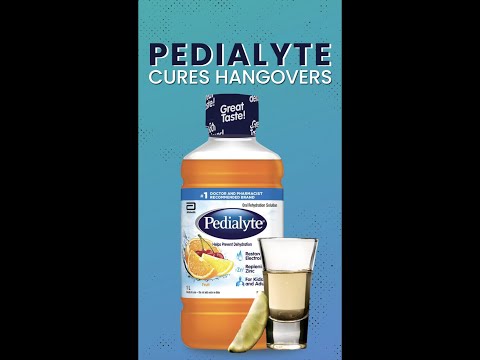
If you’re exercising intensely on a hot day, or maybe you’ve had a bout of food poisoning or a stomach bug, think about using Pedialyte. Sometimes after drinking alcohol too much, you may find your body craving something more than just plain water.
A Real-Life Example
Imagine running a marathon or hiking up a mountain. You lost quite a bit of sweat along the way. Drinking just water might not cut it afterwards since you also need to replace those crucial minerals—all part of keeping hydration balanced!
Myths Around Hydration
A common misconception is that all drinks hydrate us equally. Interestingly enough, caffeinated beverages can sometimes lead to dehydration rather than helping! So relying solely on coffee or soda isn’t the best approach if you’re trying to stay hydrated.
The Bottom Line
If you’re considering keeping your hydration levels up with something tastier than plain old water during times of need—or even daily—Pedialyte could be an option worth thinking about.
Always remember though; if you’re feeling unwell for any reason that concerns you, talking with someone who knows about health can provide further insight tailored just for your situation!
Understanding Pedialyte’s Role in Treating Dehydration for All Ages
Pedialyte is often viewed as a go-to solution for treating dehydration, especially in children. But its benefits actually extend to all age groups. It’s designed to replenish fluids and electrolytes lost due to vomiting, diarrhea, or excessive sweating.
The pivotal aspect of Pedialyte is its balanced formula. It contains the right mix of sugars and electrolytes—such as sodium and potassium—that our bodies need to function properly. This balance helps not just with hydration but also with re-establishing normal bodily functions.
For babies and toddlers, hydration is crucial since they’re more vulnerable to rapid fluid loss. Using Pedialyte can be life-saving when traditional methods, like plain water, aren’t enough. As we age, our body’s ability to sense thirst diminishes; thus, adults can benefit equally from electrolyte solutions like Pedialyte after sports or during illness.
It’s worth noting that while Pedialyte is a useful tool for managing dehydration, it shouldn’t replace medical care when serious symptoms occur. Severe dehydration may require more intensive interventions than over-the-counter solutions can provide.
In essence, whether you’re a parent caring for a sick child or an adult recovering from an intense workout, understanding how Pedialyte works emphasizes the importance of staying hydrated at any age. Knowledge about hydration options empowers individuals to make informed choices regarding their health.