The information provided in this article is intended solely for general informational and educational purposes. It does not constitute medical advice, diagnosis or professional treatment, and should not be considered a substitute for consultation with a qualified doctor or other licensed healthcare professional. Any health-related decisions should be made in consultation with accredited medical professionals.
While efforts have been made to ensure the information is accurate and up to date, no guarantees are given—either express or implied—regarding its accuracy, completeness, currency or suitability. Use of this information is at your own discretion.
It is strongly recommended to consult official sources such as the NHS (National Health Service) or other recognised medical institutions before acting on any information contained on this website or article. Under no circumstances should professional medical advice be ignored or delayed due to content read here.
This content is of a general and informational nature only. It is not intended to replace individualised guidance from a healthcare professional or to establish any doctor-patient relationship. The publication of this information does not imply any professional responsibility, guarantee or obligation on the part of the author or this site.
Ever found yourself in a situation where you’re unsure about how to relieve constipation? You’re not alone. Many people face the struggle of digestive issues at some point in their lives. It can be frustrating and sometimes embarrassing, right? One option that often comes up in conversations is the phosphate enema.
This article is all about understanding phosphate enemas—their uses, effects, and potential interactions with other treatments. You’ll learn what exactly they are and how they work in your body. But more importantly, we’ll dive into when they might be appropriate to use and any side effects you should keep an eye on.
It’s crucial to remember that while this information can be very helpful, it doesn’t replace professional medical advice. Health decisions are complex and shouldn’t be made based solely on articles like this one. It’s always best to chat with a healthcare professional before jumping into any treatment plan.
So, let’s break it down together. Understanding phosphate enemas could empower you to make informed choices for your health!
Understanding the Unexpected Reactions to Phosphate Enemas
Understanding Phosphate Enemas
Phosphate enemas are often used to relieve constipation or prepare for medical procedures. They work by introducing a saline solution into the rectum, which helps to soften stool and stimulate bowel movements. Sounds simple, right? But sometimes, people experience unexpected reactions.
What are some common uses?
Typically, phosphate enemas are used when someone needs quick relief from constipation. They’re also used before certain diagnostic tests like colonoscopies. The saline nature of the solution draws water into the intestines, making it easier for the body to pass stool.
What could go wrong?
Even though they seem pretty straightforward, phosphate enemas can cause unexpected reactions in some individuals. For example, some people might experience abdominal cramping or bloating after use. This can be uncomfortable but usually doesn’t last long.
Why do these reactions happen?
The body’s response can vary based on factors like diet, hydration levels, and overall health. You know how sometimes you eat something that just doesn’t sit right? It’s a similar concept; your body’s not reacting well to the sudden introduction of fluid or salt in that area.
Who should be cautious?
If someone has kidney problems or issues with fluid balance, phosphate enemas might not be recommended. These situations mean that introducing extra phosphorus could lead to complications like electrolyte imbalances—think of it like throwing too much salt into soup; it messes up the flavor.
Can side effects be serious?
In rare cases, serious reactions like dehydration or rectal bleeding could occur. If someone notices severe symptoms after using an enema—like intense pain or inability to have a bowel movement—it’s essential to seek help right away.
A few practical considerations
- Hydration: Staying hydrated is key when using any type of enema.
- Pace yourself: Don’t rush through the process; give your body time to adjust.
- Diet impact: Eating a balanced diet might reduce the need for regular enemas in general.
Tuning into your body
The important thing is listening to what your body is telling you. If you notice something feels off after using a phosphate enema—you know—don’t hesitate to reach out for advice from healthcare professionals who understand how these things work better than anyone else.
Myths vs reality
A common myth is that all types of enemas are interchangeable; however their effects can vary significantly depending on the ingredients involved. So while one may find relief from one type, another might trigger those unexpected reactions we talked about earlier.
It’s beneficial to approach this topic with caution and awareness rather than jumping straight into solutions without understanding potential consequences first.
Exploring the Benefits and Applications of Phosphate Enemas
Understanding Phosphate Enemas
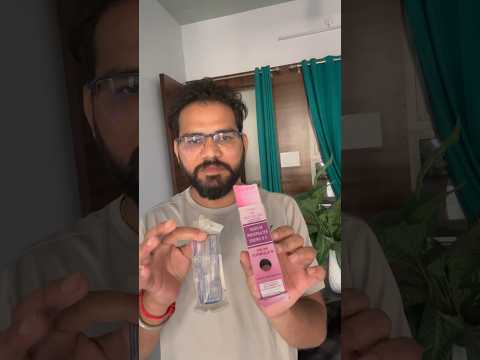
Phosphate enemas are a type of laxative used primarily to relieve constipation. They work by introducing a liquid solution into the rectum, which helps soften stool and stimulate bowel movements. More commonly known brands might come in a small bottle, often with an applicator tip.
How Do They Work?
The key ingredient in these enemas is phosphate, which increases the amount of fluid in the intestines. Think of it like adding water to a dry sponge—the sponge expands and becomes easier to manage. This process helps your body expel waste more effectively.
When you use a phosphate enema, it can lead to bowel movement within 30 minutes to a few hours. It’s important to remember that these should generally be used only for short-term relief.
Who Might Use Them?
Phosphate enemas might be recommended for people experiencing severe constipation or when preparing for certain medical exams, like colonoscopies. However, not everyone should use them. Individuals who have kidney issues or heart problems may need to steer clear of phosphate solutions due to potential side effects.
Are There Any Side Effects?
Like any medication or remedy, phosphate enemas can have side effects. Some common ones include cramping or bloating while others might experience nausea or even diarrhea afterward. If you feel pain or discomfort that doesn’t go away, it’s always smart to consult with someone who knows your health history.
Interactions with Other Medications
If you’re on medications for various conditions, it’s crucial to consider interactions. Certain diuretics or drugs affecting kidney function may react negatively when combined with phosphate enemas. It’s best to chat about this with someone familiar with your treatment plan.
A Final Word
If you’re considering using phosphate enemas for constipation relief or other purposes, think of them as just one tool among many in managing digestive health. Regular hydration and a fiber-rich diet also play important roles in keeping things moving smoothly in your body.
A little knowledge goes a long way! Always keep open communication about any treatments you’re exploring—this helps ensure safety and effectiveness tailored just for you.
Exploring the Best Options for Gentle Relief and Proper Hydration
Understanding Phosphate Enemas
Phosphate enemas are used to treat constipation or prepare the bowel before medical procedures. They contain sodium phosphate, which helps stimulate the bowels. Basically, they draw water into the intestines, softening stool and making it easier to pass.
How They Work
Think of a phosphate enema like adding water to a dry sponge. When you use it, the solution increases the volume of fluid in your intestines. This can lead to more effective contractions of muscles in your bowel.
Who Might Need One?
People often use phosphate enemas when they’re having trouble with regular bowel movements. For example, if someone is preparing for a colonoscopy, doctors might recommend one so the doctor can get a clear view during the procedure.
Possible Side Effects
Though many people tolerate these enemas well, there can be side effects. Some may experience cramping or bloating after use. In rarer cases, they could lead to dehydration or electrolye imbalances—especially in older adults or those with kidney issues.
Hydration Matters
You know hydration is essential for overall health, right? It’s especially important if you’re using an enema since it can increase fluid loss from your body. Drinking enough water helps prevent potential complications and keeps things running smoothly.
Interactions with Other Medications
If you’re on certain medications—like diuretics—they might interact with phosphate enemas and worsen dehydration risks. Always check with a healthcare provider if you’re unsure about interactions.
The Importance of Proper Use
If someone decides to try a phosphate enema, following instructions is crucial. Improper use could lead to discomfort or even more serious health issues. It’s always best to ask questions before starting any new treatment or therapy.
A Gentle Approach
You might wonder about other gentler options for relief from constipation or hydration issues, too! Dietary changes like increasing fiber intake from fruits and vegetables can be effective.
Additionally, staying active and drinking fluids regularly helps regulate bowel movements as well.
Your Role in Health Decisions
The bottom line is that understanding your options around gentle relief and hydration matters greatly for maintaining digestive health.
It’s important not just to jump into using an enema without considering all factors involved! Engage in conversations about what’s appropriate for you with trusted sources—friends, family members—even professionals!
Understanding Phosphate Enemas: Uses, Effects, and Interactions
Phosphate enemas are solutions used to relieve constipation or prepare the bowel before medical procedures. They work by drawing water into the intestines, which helps soften stool and stimulate bowel movement. It’s like giving your intestines a little hydration boost when they’re feeling sluggish.
You might find these enemas helpful if over-the-counter laxatives haven’t worked for you. They’re often effective for people needing quick relief or preparing for tests like colonoscopies. But, it’s wise to remember that they should not be used frequently. Overuse can lead to electrolyte imbalances.
The key ingredient is sodium phosphate, which can interact with other medications or conditions. For example, if you have kidney problems or take certain diuretics (medications that help remove fluid), it’s important to chat with a healthcare provider first. They can help you weigh the benefits against potential risks.
It’s also essential to follow instructions carefully when using a phosphate enema. Too much of it can cause cramping or discomfort; think of it as making sure that you don’t fill up a balloon too much—it just bursts! If you’re unsure about how to use one effectively or safely, asking someone knowledgeable is always a good idea.
In summary, phosphate enemas serve a valuable purpose in managing occasional constipation but should be used judiciously and with consideration of possible interactions. Being informed and cautious ensures safe use while maximizing their benefits.