The information provided in this article is intended solely for general informational and educational purposes. It does not constitute medical advice, diagnosis or professional treatment, and should not be considered a substitute for consultation with a qualified doctor or other licensed healthcare professional. Any health-related decisions should be made in consultation with accredited medical professionals.
While efforts have been made to ensure the information is accurate and up to date, no guarantees are given—either express or implied—regarding its accuracy, completeness, currency or suitability. Use of this information is at your own discretion.
It is strongly recommended to consult official sources such as the NHS (National Health Service) or other recognised medical institutions before acting on any information contained on this website or article. Under no circumstances should professional medical advice be ignored or delayed due to content read here.
This content is of a general and informational nature only. It is not intended to replace individualised guidance from a healthcare professional or to establish any doctor-patient relationship. The publication of this information does not imply any professional responsibility, guarantee or obligation on the part of the author or this site.
What if one day your body started sending mixed signals, making it hard to walk, see, or even think clearly? This is a reality for many people living with Multiple Sclerosis (MS). It’s a condition that affects the brain and spine, causing a range of symptoms that can be quite unpredictable. Interesting fact: did you know MS is often called the “disease of a thousand faces” because it presents so differently in each person?
This article will break down the four main types of MS and what they mean in terms of symptoms and care. Understanding these nuances can help you or someone you care about navigate this complex condition better. Whether it’s relapsing forms or progressive types, each has its own twists and turns.
We’ll talk about typical signs and how to manage them effectively. Remember, though—this content isn’t a substitute for medical advice. When it comes to your health decisions, consulting with a healthcare professional is always crucial.
So let’s dive in; together we can shed some light on MS.
Discover the Distinct Paths of MS and How They Impact Lives
Understanding Multiple Sclerosis (MS)
Multiple Sclerosis, or MS, is a condition where the immune system mistakenly attacks the protective covering of nerve fibers in the central nervous system. This can cause a range of symptoms, and it impacts people in unique ways. You might wonder why some folks experience fatigue while others deal with mobility issues. It all boils down to different types of MS.
The Four Types of MS
There are four main types of MS: Relapsing-Remitting MS (RRMS), Secondary Progressive MS (SPMS), Primary Progressive MS (PPMS), and Progressive-Relapsing MS (PRMS). Each type has its own characteristics and affects individuals differently.
- Relapsing-Remitting MS:
This is the most common form. People with RRMS have periods of new or worsening symptoms followed by times of recovery. Think of it like waves at the beach; sometimes they crash hard, and other times it’s calm.
- Secondary Progressive MS:
This type often develops after RRMS. Symptoms gradually worsen over time without clear relapses. Imagine a cyclist who started strong but eventually slows down and just keeps riding steadily.
- Primary Progressive MS:
With PPMS, symptoms steadily get worse from the start without any relapses or remissions. It’s like climbing a hill; you keep going up without breaks, and it’s tough from the beginning.
- Progressive-Relapsing MS:
This is the least common type. It involves steady progression with occasional flare-ups which makes things even more complicated for those affected.
Symptoms Across Types
No two people with MS have exactly the same experience. Common symptoms include fatigue, difficulty walking, numbness, tingling sensations, or blurred vision. Sometimes these can come on suddenly or develop over time.
You might see someone manage their day-to-day well while experiencing odd symptoms that you can’t even notice at first glance — it’s all about how their body copes with this condition.
Coping Strategies
Caring for someone with MS—or yourself if you’re living with it—means being aware of these symptoms and adjusting to them as needed. This might involve physical therapy to help maintain mobility or medication aimed at managing fatigue.
A healthy diet can also make a difference! Think about fueling your body like you would fuel a car: good fuel means better performance on the road ahead!
The Emotional Aspect
The emotional burden can be significant too; anxiety and depression are common among those diagnosed with this condition. Supporting one another in finding professional help could really make an impact.
Conclusion: Living With MS
No matter what type someone has — be it RRMS or PPMS — understanding how these paths diverge is key to navigating life with multiple sclerosis successfully. Stay informed! Knowledge brings empowerment which is so important for both patients and caregivers alike!
Unraveling the Impact and Challenges of Progressive Multiple Sclerosis
Understanding Progressive Multiple Sclerosis
Progressive multiple sclerosis (MS) is one of the types of MS. It can be a bit confusing, so let’s break it down in simple terms.
What Is Progressive MS?
Progressive MS is characterized by a gradual worsening of symptoms over time. Unlike some other forms of MS, it doesn’t typically include clear periods of remission.
Imagine climbing a hill that keeps getting steeper. You might still get some rest breaks, but the overall climb just gets harder and harder. That’s kind of what living with progressive MS can feel like.
The Four Types of MS
There are four main types of multiple sclerosis:
- Relapsing-Remitting MS: This is where people have flare-ups followed by periods of recovery.
- Secondary Progressive MS: This starts as relapsing-remitting but gradually becomes progressive.
- Primary Progressive MS: Here, symptoms worsen steadily from the beginning without relapses.
- Progressive-Relapsing MS: This rare type shows continued progression alongside acute attacks.
Main Symptoms to Watch For
The symptoms can vary quite a lot. Common ones include fatigue, muscle weakness, difficulty walking, and problems with vision. Sometimes folks might also experience numbness or tingling sensations. It’s like having your phone vibrate when there’s actually no notification—your body feels things that are not quite right.
Coping with Challenges
Living with progressive MS means constantly adapting to new challenges. Regular exercise can help with mobility and strength. It’s like keeping your car in shape; you wouldn’t want to drive a car that hasn’t been serviced in years!
This adaptation extends to mental health too—many people experience emotional ups and downs as they navigate their daily lives with this condition.
Treatment Options
Treatment usually focuses on managing symptoms rather than stopping progression directly. There are medications designed to help slow the disease’s course or manage specific issues like pain or muscle spasms.
A healthcare team often includes neurologists, physical therapists, occupational therapists, and mental health professionals to provide holistic care. Think of them as pit crew for your life—they help keep everything running smoothly!
The Importance Of Support Systems
No one should go through this alone! Having a supportive network—family members, friends or support groups—can make all the difference in coping with progressive MS. Sharing experiences creates understanding and reduces feelings of isolation.
Your Questions Matter
If you’re feeling overwhelmed by any specifics about living with progressive MS or caring for someone who has it: ask questions! Knowledge helps empower both patients and caregivers alike.
Navigating Life With Progressive Multiple Sclerosis
The journey may be challenging at times but focusing on small victories helps reframe how we view each day. Remember that everyone experiences these challenges differently; so do what works best for you—or your loved one—for managing life alongside this evolving condition!
Understanding the Impact of Multiple Sclerosis on the Brain and Spinal Cord
Understanding Multiple Sclerosis
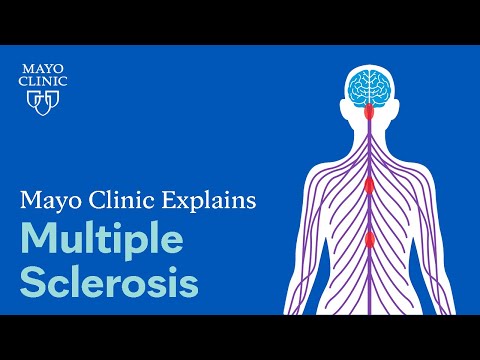
Multiple sclerosis (MS) is a complex disease that affects the brain and spinal cord. It’s often described as an autoimmune disorder, which means the body’s immune system mistakenly attacks its own cells. In the case of MS, it attacks the protective covering of nerve fibers, called myelin.
Imagine myelin like the plastic coating on electrical wires. When it’s damaged, signals between your brain and body can get mixed up or even blocked. This can lead to a variety of symptoms.
The Four Types of MS
There are four main types of MS—relapsing-remitting (RRMS), secondary-progressive (SPMS), primary-progressive (PPMS), and progressive-relapsing (PRMS). Each type has its own characteristics.
- Relapsing-Remitting MS: This is the most common form. Symptoms come and go in episodes called relapses. In between these periods, people usually feel normal.
- Secondary-Progressive MS: This type often follows RRMS. After many relapses, symptoms worsen more steadily over time.
- Primary-Progressive MS: For those with this type, symptoms gradually increase from the start without distinct relapses or remissions.
- Progressive-Relapsing MS: This is a rare form where there are steady worsening symptoms alongside acute relapses.
Symptoms to Watch For
The symptoms of MS can vary a lot from person to person. Some common ones are fatigue, difficulty walking, numbness or tingling in limbs, and problems with vision. Sometimes folks report issues with memory or concentration too.
You know how when you’re tired and everything feels harder? That’s similar to what someone with MS might experience due to fatigue—it’s not just being sleepy; it’s exhaustion that doesn’t go away easily.
Coping Strategies
Coping with multiple sclerosis involves a mix of medical care and lifestyle adjustments. Medications can help manage symptoms; however they don’t cure it.
A healthy diet, regular exercise—even if it’s just light activity—and good stress management can make a difference in how someone feels day-to-day.
The Importance of Support
A support network is crucial for anyone dealing with MS. Friends and family can offer emotional support while healthcare providers guide treatment options. Support groups provide shared experiences which can be really comforting for many individuals dealing with similar challenges.
Keen on Staying Informed?
If you have questions about any aspect of multiple sclerosis or want to better understand what someone might be experiencing, talk directly to healthcare professionals or do your own research using reliable sources—there’s lots out there that helps clarify things!
Multiple sclerosis, or MS, is a chronic disease that affects the central nervous system. It’s quite complex, really, and understanding its different types is crucial for effective management and care.
The four main types of MS—relapsing-remitting, primary progressive, secondary progressive, and progressive-relapsing—each present unique symptoms and challenges. For instance, relapsing-remitting MS is characterized by flare-ups followed by periods of recovery. This means the symptoms can come and go.
In contrast, primary progressive MS leads to a gradual increase in disability from the start without any significant relapses or remissions. This type can be particularly frustrating because it’s a slow progression of symptoms like muscle weakness or difficulty walking.
Then there’s secondary progressive MS. It usually starts as relapsing-remitting but gradually transitions into a more steady decline. It’s like transitioning from a roller coaster ride to a long drive with no stops—you just keep going downwards.
Finally, we have progressive-relapsing MS. This type features ongoing progression with occasional relapses—it’s like being on a treadmill while someone presses down on your shoulders.
Caring for someone with MS involves tailored approaches based on the type they have. Treatments may vary significantly; what works for one person might not work for another.
This variance underscores the importance of personalized care plans and open communication between patients and healthcare providers. It’s vital to recognize that every individual’s experience with MS is unique.
Education, support systems, and coping strategies play major roles too—helping individuals manage symptoms while maintaining quality of life becomes the ultimate goal.
The journey through understanding these types fosters empathy among caregivers and family members alike, improving overall experiences during difficult times.