The information provided in this article is intended solely for general informational and educational purposes. It does not constitute medical advice, diagnosis or professional treatment, and should not be considered a substitute for consultation with a qualified doctor or other licensed healthcare professional. Any health-related decisions should be made in consultation with accredited medical professionals.
While efforts have been made to ensure the information is accurate and up to date, no guarantees are given—either express or implied—regarding its accuracy, completeness, currency or suitability. Use of this information is at your own discretion.
It is strongly recommended to consult official sources such as the NHS (National Health Service) or other recognised medical institutions before acting on any information contained on this website or article. Under no circumstances should professional medical advice be ignored or delayed due to content read here.
This content is of a general and informational nature only. It is not intended to replace individualised guidance from a healthcare professional or to establish any doctor-patient relationship. The publication of this information does not imply any professional responsibility, guarantee or obligation on the part of the author or this site.
Have you ever noticed someone making sudden movements or sounds they can’t control? It’s actually more common than you might think. Tics are involuntary muscle movements or vocalizations that can catch us off guard. Sometimes, they’re just a quirky habit, while other times, they can be quite distressing.
In this article, we’ll dive into the world of tics: what they are, the different types, and what causes them. Understanding tics can help demystify a condition that many people live with or see in others. It’s important to realize that there’s no one-size-fits-all explanation here; every person’s experience with tics is unique.
You might wonder how these tics affect daily life. They can impact relationships and self-esteem, especially for children and teens. Recognizing the symptoms and underlying factors is key to providing support.
This isn’t medical advice though; it’s crucial to talk to a healthcare professional regarding any concerns about your health or someone else’s. Making informed decisions about health should always involve an expert’s guidance.
Understanding the Hidden Messages Behind Unexpected Movements
Understanding Tics: Types, Symptoms, and Causes Explained
Tics can be puzzling. They are sudden, repetitive movements or sounds that happen without control. Think of them like hiccups for your body—unplanned and sometimes annoying. Let’s break down what tics are, the different types, and what might cause them.
What Are Tics?
Tics can be classified as motor or vocal. Motor tics involve physical movements. For example, you might see someone blink rapidly or shrug their shoulders frequently. Vocal tics are sounds made involuntarily, like throat clearing or even certain words.
Types of Tics
- Transient tics: These are temporary and usually last less than a year. Many kids go through it during their early school years.
- Chronic tics: If a tic persists for more than a year but doesn’t involve both motor and vocal symptoms at the same time, it’s likely chronic.
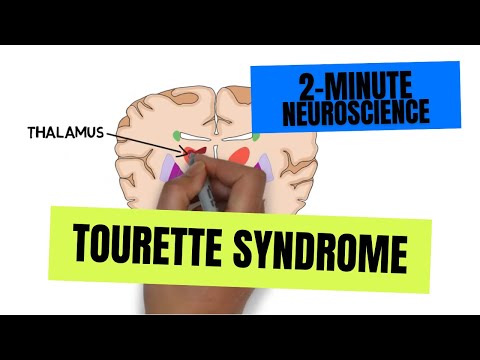
- Tourette syndrome: This is a more complex condition where both motor and vocal tics occur together over time.
Common Symptoms
You might notice some common behaviors in people with tics. These include rapid blinking, head jerking, or making silly noises. Sometimes they can also have premonitory urges—feelings that signal the need to perform the tic before it actually occurs.
What Causes Tics?
The exact cause isn’t fully understood yet. It’s thought to be a mix of genetic factors and environmental influences. Stress, excitement, or even being tired can trigger or worsen these movements.
A lot of times people wonder if it’s something they’re doing wrong—sometimes it’s just how their brain is wired! Conditions like ADHD or OCD often accompany tics as well.
Myths Around Tics
- Mistake 1: “Tic disorders are always severe.” This isn’t true! Many people with mild symptoms lead normal lives.
- Mistake 2: “Tics are voluntary.” Nope! They’re involuntary; individuals can’t just stop them on request—a little bit like trying not to sneeze!
Coping With Tics
If you’re living with someone who has tics—or if you have them yourself—you may feel overwhelmed sometimes. Support from friends and family plays a big role here! Practicing relaxation techniques such as deep breathing can also help manage stress triggers that make tics worse.
The thing is we live in a world where understanding each other is important! Learning about things like this can reduce stigma and encourage open conversations about mental health challenges.
If there’s ever any doubt about symptoms or how to deal with them, reaching out for professional help is crucial! Overall awareness goes a long way toward understanding ourselves better—and ultimately helping others too!
Understanding the Different Expressions of Tics and Their Impact
Tics can be puzzling, can’t they? You might have noticed someone blinking rapidly or making strange sounds. These involuntary movements or sounds are called tics, and they can vary widely between individuals.
Types of Tics
Tics mainly fall into two categories: motor tics and vocal tics. Motor tics involve physical movements, while vocal tics are related to sounds. Sometimes, people may have both types at once.
- Motor Tics: These can include simple actions like blinking, head jerking, or shoulder shrugging. Others may be more complex—like hopping or touching objects.
- Vocal Tics: Simple vocal tics might be throat clearing, grunting, or sniffing. More complex vocalizations could be repeating words or phrases.
You know how sometimes we might clear our throat when nervous? That’s a mild example of a tic. But for someone with tic disorders like Tourette syndrome, these behaviors can impact daily life much more significantly.
Symptoms and Patterns
The symptoms of tics can fluctuate over time—sometimes they get worse during stress or excitement. For example, if you’re anxious about an exam, you might notice your friend tapping their foot more than usual.
It’s important to recognize that not all tics are permanent; many children experience transient tics which often go away on their own. It’s normal for kids to have these during certain developmental phases.
Causes of Tics
The exact cause of tics isn’t fully understood yet. Genetics plays a role; if someone in your family has had them, your chances increase too! Environmental factors—like stress—can also trigger or worsen them.
This isn’t just a “phase” for everyone though; some individuals might continue experiencing them into adulthood. Understanding this helps in supporting those who face these challenges daily.
The Impact on Life
Tic disorders can affect social interactions and everyday activities. Imagine trying to concentrate in class while your body is doing its own thing—it could be distracting! So many young people feel self-conscious about their behaviors due to misunderstanding from peers.
You see? Compassion is key here. Awareness helps make the world a bit more accepting for those with tic disorders. Conversations around mental health and neurodiversity are vital so that people can learn to support each other better.
Misperceptions About Tics
A common myth is that all tics signal a serious mental health issue—which isn’t true! Many people with ticks lead full lives without being defined by them.
Sometimes it helps to remember that what’s seen outwardly doesn’t tell the whole story inside someone’s head.
If you’re ever wondering about someone else’s behavior related to tics—it couldn’t hurt just asking how they’re feeling instead of jumping straight to conclusions!
A Final Thought
The journey with tic disorders varies greatly between individuals—but it always benefits from understanding, compassion, and support from friends and loved ones alike!
Understanding the Triggers Behind Your Child’s Unexpected Tics
When kids suddenly start exhibiting tics, it can feel pretty confusing and even alarming for parents. Tics are those involuntary movements or sounds that happen without your child being able to control them. They can be simple, like blinking or throat clearing, or more complex, involving a series of movements.
So what causes these tics? Well, there are a few things to consider. First off, genetics play a role. If someone in the family has had tics or conditions like Tourette syndrome, it might influence your child too. It’s kinda like inheriting eye color – you don’t choose it, but you might just get it from your parents.
Another factor is stress. Children can experience anxiety about school, friendships, or even changes at home. Just like adults might pace when stressed, kids may exhibit tics as a way of coping with their feelings. Sometimes they might not even realize they’re doing it.
Environmental Influences
The environment around your child matters as well. Things like loud noises or hectic situations can heighten their tics. Think of it this way: if you’re trying to concentrate in a noisy café, you might fidget more often than usual. For kids with tics, it’s similar; those external pressures can trigger more frequent episodes.
Certain foods and drinks could also contribute to the situation. Some families have noticed that sugar intake or caffeine seems to lead to an increase in tic activity for their children. While scientists are still exploring this connection extensively, many parents report changes based on diet.
Acknowledging Other Health Issues
Your child’s health history is significant too—conditions such as ADHD (Attention-Deficit/Hyperactivity Disorder) or OCD (Obsessive-Compulsive Disorder) often coexist with tic disorders. It’s essentially like a cocktail of symptoms that dance together rather than existing separately.
If you’re observing these behaviors in your child and feel unsure about them , keeping track of when the tics occur could be helpful for discussions with teachers or any other caregivers involved in their lives.
Sensitive Conversations Matter
Taking time to talk openly about tics and how they make your child feel is important too! It helps them know they’re not alone and that there’s an understanding ear nearby if they need support. Sometimes simply knowing that someone else understands makes a huge difference.
When To Seek Help
If tic behavior increases significantly or starts impacting daily life—for example at school—it may be beneficial to seek guidance from healthcare professionals who specialize in children’s behavior issues . They have insight into different approaches and strategies that may help manage these symptoms better.
The journey of understanding and supporting your child’s experience with tics is very personal for each family . Just remember: patience , kindness ,and open dialogue can foster great comfort for both parents and children alike .
Understanding Tics: Types, Symptoms, and Causes Explained
Tics can be puzzling, right? They’re sudden, repetitive movements or sounds that people sometimes can’t control. Think of them like the body’s way of expressing itself in a quirky manner. Understanding tics is crucial for both those experiencing them and for their families.
Types of Tics
Tics are generally classified into two categories: motor tics and vocal tics. Motor tics involve physical movements like blinking, head jerking, or facial grimacing. Vocal tics include sounds such as throat clearing, grunting, or more complex phrases. Some may even involuntarily shout words or phrases—a phenomenon known as coprolalia.
Symptoms
The symptoms of tics vary from person to person. Some might have mild and occasional episodes while others experience more severe and frequent ones. Most often, tics can worsen during periods of stress or excitement. It’s like how some people fidget when nervous; it’s a release!
Causes
The exact causes of tics aren’t fully understood yet. Genetics plays a role; if someone in your family has had tics or Tourette syndrome, you might be at higher risk too. Environmental factors like infections could also contribute. Sometimes stress triggers can act as a catalyst for existing tendencies.
Living with Tics
If you know someone with tics, it’s important to approach the subject with empathy and understanding. These behaviors are involuntary and often cause embarrassment or frustration for the individual.
Conclusion
Ultimately, understanding the nuances of tics helps us support each other better—whether that means being patient during outbursts or simply educating ourselves about these behaviors