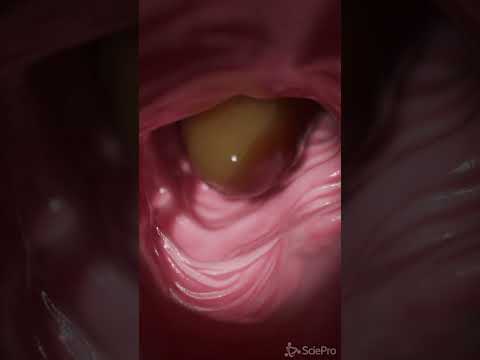
The colon, often overlooked, plays a vital role in our digestive system. It’s a large, tubular organ that’s part of the intestines, and its main job is to absorb water and nutrients from the food we consume. Think of it as the final stop on a long journey—here, leftovers are processed before being eliminated from the body. Understanding how the colon works can lead to better health choices.
The anatomy of the colon is fascinating. It’s divided into four main parts: the ascending, transverse, descending, and sigmoid colon. Each section has specific tasks and contributes to overall health. The colon is also home to trillions of bacteria that help ferment undigested food and protect against harmful germs.
However, it’s essential to acknowledge that information about our health can sometimes be misleading or incomplete. Always make it a priority to inform yourself through various specialists and trusted media sources. Your health deserves attention from multiple perspectives for a well-rounded understanding.
The information provided in this article is intended solely for general informational and educational purposes. It does not constitute medical advice, diagnosis or professional treatment, and should not be considered a substitute for consultation with a qualified doctor or other licensed healthcare professional. Any health-related decisions should be made in consultation with accredited medical professionals.
While efforts have been made to ensure the information is accurate and up to date, no guarantees are given—either express or implied—regarding its accuracy, completeness, currency or suitability. Use of this information is at your own discretion.
It is strongly recommended to consult official sources such as the NHS (National Health Service) or other recognised medical institutions before acting on any information contained on this website or article. Under no circumstances should professional medical advice be ignored or delayed due to content read here.
This content is of a general and informational nature only. It is not intended to replace individualised guidance from a healthcare professional or to establish any doctor-patient relationship. The publication of this information does not imply any professional responsibility, guarantee or obligation on the part of the author or this site.
Exploring the Intricacies of One of Our Body’s Most Essential Systems
The colon, also known as the large intestine, plays a crucial role in our digestive system. It’s a long, tube-like structure that runs from the small intestine to the rectum. Understanding its anatomy and functions can help us appreciate its importance.
The colon has several parts: the ascending colon, transverse colon, descending colon, and sigmoid colon. Think of it like a winding road that moves waste products toward their final destination.
One of the primary functions of the colon is to absorb water and electrolytes. When food passes through your digestive system, most nutrients are absorbed in the small intestine. However, any remaining liquid gets reabsorbed by the colon. This process helps prevent dehydration.
Additionally, the colon helps form stool from leftover waste materials. Imagine it as a trash collector, compacting what your body doesn’t need anymore into solid form for elimination. This compaction happens when bacteria in the gut break down undigested food.
Another interesting fact is that our colons are home to trillions of microorganisms. These bacteria help digest food and produce vitamins like vitamin K and some B vitamins. A healthy balance of these microbes is essential for good gut health.
However, certain factors can disturb this balance—like poor diet, stress, or antibiotics—leading to various issues such as constipation or diarrhea. It’s like having a garden; if you don’t take care of it properly, weeds can take over.
Regular check-ups can be helpful for maintaining colorectal health. For those over 45 or with risk factors such as family history of colorectal cancer or inflammatory bowel disease (IBD), screenings are recommended.
To support your colon’s health:
Ultimately, understanding how crucial your colon is allows you to make informed choices about your health. The journey through digestion is complex but vital for overall well-being!
Unlocking the Essential Roles of Your Digestive Powerhouse
Your colon, often overlooked, plays a vital role in your digestive system. It’s the final part of your large intestine and is responsible for several key functions.
First, the colon absorbs water and electrolytes from undigested food. Imagine it as a sponge soaking up moisture. This process helps turn liquid waste into solid stool.
Next, it acts as a temporary storage area for waste before it’s eliminated from your body. Think of it like a holding tank. When you’re ready, the body sends signals to let you know it’s time to go.
The colon also supports gut health by housing beneficial bacteria. These microorganisms aid digestion and help break down food particles that we can’t digest on our own.
However, if the balance of bacteria is disturbed, it can lead to issues like bloating or gas. It’s essential to maintain a healthy gut flora through proper diet and hydration.
Regular exercise also has benefits for your colon. Movement stimulates bowel activity and helps prevent constipation.
Keep in mind that changes in bowel habits can signal health issues. If you notice persistent irregularities, seeking advice is wise.
Understanding how your colon works empowers you to make better choices for digestive health. It’s all about giving this powerhouse the care it needs to function properly!
Unveiling the Structure that Supports Digestive Health
The colon, often overlooked, plays a crucial role in our digestive system. Think of it as the final stage of a train journey for food and nutrients. Once the food has passed through your stomach and small intestine, it arrives at the colon for one last stop.
Anatomically, the colon is a long tube that connects to the rectum. It’s about five feet long. This might sound short, but it’s packed with important functions!
Functions of the colon include:
As food moves through the colon, excess water is absorbed. This process helps maintain hydration in our bodies while forming solid waste.
The colon also houses trillions of bacteria—our gut microbiome. These friendly bacteria help break down complex carbohydrates and produce vitamins like K and B12.
Now, why should you care? A healthy colon can affect your overall well-being. An imbalance in gut bacteria may lead to digestive issues like bloating or constipation.
Regular check-ups can help monitor your colonic health. Colon cancer screening is vital as well; it can detect issues early when they are more treatable.
Don’t forget about diet! Eating fiber-rich foods like fruits, vegetables, and whole grains supports a healthy colon by promoting regular bowel movements.
Additionally, stay hydrated! Drinking enough water is essential for helping your colon function smoothly.
Awareness of what affects your digestive health is key. Poor diet, lack of exercise, and stress can harm your colonic function over time.
In summary, understanding the structure and function of your colon can empower you to make healthier choices. By taking care of this important part of your body, you’re paving the way for better overall health.
Understanding the colon is vital for appreciating its role in our digestive health. The colon, or large intestine, is often overlooked, yet it serves crucial functions that keep our bodies balanced.
Role of the Colon: The colon processes waste from digestion. It absorbs water and electrolytes from the remaining indigestible food matter. Think of it as a recycling center—taking what remains and ensuring that nutrients are retained while waste is eliminated.
Anatomy Overview: The colon consists of several parts: the ascending, transverse, descending, and sigmoid sections. Each plays a specific role in moving waste toward the rectum. This journey can be likened to a train making stops at various stations; each section contributes to getting passengers (waste) where they need to go.
Gut Health Connection: A healthy colon is essential for overall well-being. It houses billions of bacteria that aid digestion and contribute to our immune system. Balancing this microbiome can influence everything from mood to metabolism.
The importance of fiber cannot be overstated here. Fiber acts like a broom for your colon, helping move waste along smoothly and preventing issues like constipation or even more severe conditions like diverticulitis.
In summary, understanding the anatomy and functions of the colon empowers us to make informed health decisions. By paying attention to how we care for our digestive system—through diet and lifestyle—we can promote better health outcomes throughout our lives.