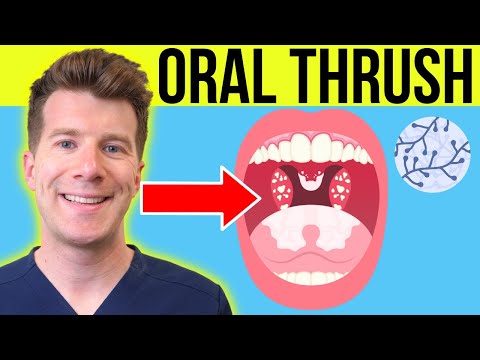
Oral thrush is a common yet often misunderstood condition caused by an overgrowth of a yeast called Candida. Imagine your mouth as a garden. Sometimes, if conditions are right, unwanted plants (or fungi) can take over the space and disrupt the harmony. Oral thrush manifests as white patches on the tongue and inside the cheeks, often accompanied by discomfort.
Recognizing its symptoms is crucial for managing this condition effectively. You may experience soreness or difficulty swallowing, making even simple meals feel daunting. It’s essential to take action before it spreads or becomes more problematic.
In seeking remedies, there are several options available—from antifungal medications to natural solutions like yogurt containing probiotics. However, not all approaches work for everyone; what helps one person may not necessarily help another.
But please remember: while it’s important to gather information on oral thrush from various sources, you should consult with different specialists and platforms to get a well-rounded understanding of your health situation. This is especially important because what seems like a minor issue can sometimes point to underlying problems that require professional attention. Stay curious but also stay informed!
The information provided in this article is intended solely for general informational and educational purposes. It does not constitute medical advice, diagnosis or professional treatment, and should not be considered a substitute for consultation with a qualified doctor or other licensed healthcare professional. Any health-related decisions should be made in consultation with accredited medical professionals.
While efforts have been made to ensure the information is accurate and up to date, no guarantees are given—either express or implied—regarding its accuracy, completeness, currency or suitability. Use of this information is at your own discretion.
It is strongly recommended to consult official sources such as the NHS (National Health Service) or other recognised medical institutions before acting on any information contained on this website or article. Under no circumstances should professional medical advice be ignored or delayed due to content read here.
This content is of a general and informational nature only. It is not intended to replace individualised guidance from a healthcare professional or to establish any doctor-patient relationship. The publication of this information does not imply any professional responsibility, guarantee or obligation on the part of the author or this site.
Discover Effective Solutions to Alleviate Discomfort and Promote Healing
Oral thrush is a common fungal infection in the mouth. It’s caused by an overgrowth of Candida yeast. This can happen for various reasons, like a weakened immune system or certain medications.
Recognizing the symptoms is crucial for early action. Common signs include:
Feeling discomfort is never fun. But there are effective solutions to alleviate it and promote healing.
First, maintaining good oral hygiene can help greatly. Brushing your teeth regularly and flossing removes food particles that can feed yeast.
Second, try to avoid sugary foods and drinks during an outbreak. Sugar can encourage yeast growth, making symptoms worse.
Hydration is important too! Drinking plenty of water helps maintain a balanced environment in your mouth.
Some people find relief from using natural remedies like coconut oil or baking soda rinses. These may help create a less favorable environment for Candida.
Probiotics are also worth considering. They introduce healthy bacteria into your system, which might balance things out.
If you notice that symptoms do not improve within a couple of weeks or worsen, reaching out to a healthcare provider is advisable.
Remember, understanding your body and its signals is key. Stay informed about what works best for you while being gentle with yourself as you navigate this condition.
Unlocking Relief: Discovering What Works Best for Thrush Treatment
Oral thrush is a fungal infection caused by an overgrowth of Candida yeast in the mouth. It can affect anyone but is more common in babies, older adults, and those with weakened immune systems.
Recognizing the symptoms is key to finding relief. Common signs include:
If you notice these symptoms, it’s a good idea to take action.
Treating oral thrush typically involves antifungal medications. These can come as lozenges, liquids, or pills. They work to reduce the yeast levels in your mouth.
In addition to medications, several home remedies may offer relief:
Maintaining good oral hygiene is crucial too. Brushing your teeth regularly and using a clean toothbrush can limit fungal growth.
It’s important to avoid certain triggers that might worsen thrush:
Always discuss any treatment plan with someone who can provide professional guidance tailored to individual needs.
Remember, if symptoms persist or worsen, seeking advice is essential. Taking care of yourself and being mindful about health choices makes a big difference.
Discover Effective Solutions to Clear Up Oral Thrush Fast
Oral thrush is a common fungal infection caused by an overgrowth of Candida yeast in the mouth. It can create white patches on your tongue and inner cheeks. Some people also feel soreness or a burning sensation. Recognizing the symptoms early can help you find effective solutions.
Understanding Oral Thrush:
This condition often occurs when the balance of organisms in your mouth gets disrupted. Factors like antibiotic use, weakened immune systems, and diabetes can contribute to this imbalance.
Recognizing Symptoms:
Common signs include:
If you suspect you have oral thrush, it’s a good idea to consult someone who can provide guidance.
Home Remedies:
While medical treatments are available, some home remedies may support your body in managing symptoms.
1. Saltwater Rinse: Mix salt with warm water and use it as a mouthwash. This may help reduce inflammation.
2. Sugar-Free Yogurt: Eating yogurt with live cultures can promote good bacteria and might help restore balance.
3. Baking Soda Paste: A paste made from baking soda and water can be applied to affected areas for potential relief.
Lifestyle Changes:
Making certain adjustments in your daily routine may also help:
Mouth Hygiene Matters:
Good oral hygiene is key in preventing oral thrush from recurring. Brush your teeth twice daily and floss regularly to keep your mouth healthy.
It’s essential to understand that while these methods may offer comfort, they do not replace professional care if needed. If symptoms persist or worsen, seek advice from someone qualified to help you navigate treatment options.
Knowledge is power when it comes to health decisions. Stay informed, and take proactive steps toward maintaining a healthy mouth!
Oral thrush, caused by an overgrowth of the Candida yeast in the mouth, is more common than many realize. It’s essential to recognize its symptoms early, as they can significantly impact a person’s quality of life. Common signs include white patches on the tongue and inner cheeks, soreness, and difficulties swallowing.
Understanding that oral thrush can affect anyone—especially those with weakened immune systems or who use antibiotics—empowers individuals to advocate for their health. Maintaining good oral hygiene is a vital preventive measure. Simple practices like brushing teeth regularly and rinsing with saltwater can help keep Candida in check.
In terms of remedies, it’s important to consult a healthcare provider for appropriate antifungal treatments if diagnosed. Many also rely on natural remedies like yogurt with probiotics or coconut oil, but these should complement—not replace—medical advice.
By spreading awareness about oral thrush and its management options, we encourage those affected to seek timely treatment and reduce the stigma associated with this common condition. Recognizing symptoms early fosters proactive health choices and promotes overall well-being.