The information provided in this article is intended solely for general informational and educational purposes. It does not constitute medical advice, diagnosis or professional treatment, and should not be considered a substitute for consultation with a qualified doctor or other licensed healthcare professional. Any health-related decisions should be made in consultation with accredited medical professionals.
While efforts have been made to ensure the information is accurate and up to date, no guarantees are given—either express or implied—regarding its accuracy, completeness, currency or suitability. Use of this information is at your own discretion.
It is strongly recommended to consult official sources such as the NHS (National Health Service) or other recognised medical institutions before acting on any information contained on this website or article. Under no circumstances should professional medical advice be ignored or delayed due to content read here.
This content is of a general and informational nature only. It is not intended to replace individualised guidance from a healthcare professional or to establish any doctor-patient relationship. The publication of this information does not imply any professional responsibility, guarantee or obligation on the part of the author or this site.
Ever noticed a little redness or swelling around your fingernails or toenails? You’re not alone. Skin infections in these areas are surprisingly common, and they can be pretty annoying. Think about how often we use our hands and feet—they’re constantly in contact with germs.
To put things into perspective, did you know that fungi and bacteria thrive in warm, moist environments? Our nails can provide just that. When the skin gets damaged or irritated, these little intruders may find their way in, causing infections that can hurt and lead to complications.
This article is all about understanding those pesky skin infections around your nails. We’ll explore symptoms, causes, and some preventive measures you can take. It’s important to know how to identify the signs early on so you don’t end up with a bigger problem.
Remember, while this information can be super helpful, it doesn’t replace professional medical advice. Always consult a healthcare provider for any concerns regarding your health decisions—being proactive is key!
Recognizing the Signs and Taking Action for Healthier Nails
Recognizing the Signs of Nail Health Issues
When we talk about healthy nails, it’s not just about how they look. It’s also about how they function and what they might indicate about our overall health. Sometimes, the nails can show signs of underlying issues—even before other symptoms appear.
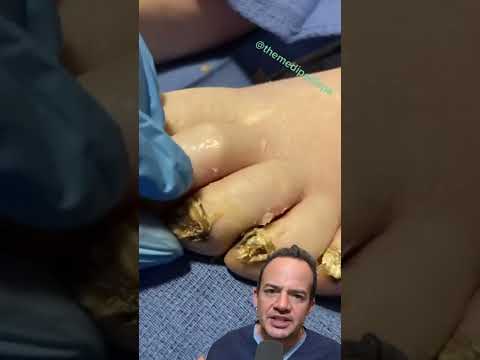
For instance, if you notice changes in color like yellowing or a white appearance, it might suggest an infection or a fungal problem. Deformed nails can also be warning signals. Thickening or crumbling could mean nail fungus too.
Common Causes Around Fingernails and Toenails
The skin around your nails is just as important as the nails themselves. It can sometimes develop infections from bacteria or fungi. This can happen due to small cuts or hangnails that provide an entry point for these pathogens.
A common example is paronychia—an infection of the skin surrounding the nail. If you have redness, swelling, or pus around your fingernails, that might be a sign of paronychia starting up.
When to Take Action
You should definitely consider seeking help if you notice persistent pain or any signs of infection that don’t improve within a few days. Also look for symptoms like fever along with nail problems; that’s definitely something to take seriously!
If your toenails are frequently becoming ingrown—when they grow into the skin—it can lead to discomfort and possible infection too.
Simple Steps for Nail Care
- Keep them clean: Regularly wash your hands and feet and dry them thoroughly.
- Avoid biting: This habit not only damages your nails but can introduce germs as well.
- Moisturize: Dry skin around the nails is more susceptible to cracks and infections.
- Cuts and wounds: Treat any injuries promptly; apply bandages if needed!
Myths About Nail Health
You may have heard that nail polish stops your nails from breathing. But interestingly enough, nails don’t actually breathe! They’re made from keratin—a protein—and their health depends more on overall nutrition than on whether they are painted.
The Importance of Nutrition
A balanced diet plays a crucial role in keeping your nails strong and healthy. Vitamins like biotin—the “nail vitamin”—and minerals such as zinc contribute significantly to nail health.
So hey, munching on leafy greens, nuts, and fish could support stronger nails over time!
Your Next Steps
If you’re ever unsure about what you see with your own two hands (or feet), don’t hesitate to consult someone who knows more! Getting professional advice is always a wise move when it comes to health concerns.
Understanding the Causes, Symptoms, and Home Remedies for Nail Infections
Understanding Nail Infections
Nail infections, also known as onychomycosis, happen when germs invade the area around your nails. Most commonly, fungi or bacteria are the culprits. But let’s break this down better.
Causes of Nail Infections
There are several factors contributing to nail infections. To start with, moisture is a big player here. You know how your feet can get all sweaty? That’s like inviting germs in for a party.
- Fungi: Fungi thrive in warm and damp environments, making your toenails especially vulnerable.
- Bacteria: Sometimes, when there’s a cut or injury near the nail bed, bacteria can sneak in.
- Poor hygiene: Not cleaning your nails regularly can lead to build-up that lets germs flourish.
- Nail trauma: If you’ve stubbed your toe or slammed a finger in a door, that damage can create an entry point for infection.
Symptoms of Nail Infections
I know it might sound scary, but recognizing symptoms early is key! Common signs include:
- A change in nail color (like yellow or greenish hues).
- Nails that become brittle and crumble.
- Pain or tenderness around the nail area.
- A foul smell coming from the infected nail.
Home Remedies for Nail Infections
If you’re dealing with a mild case, there are some home remedies you might consider trying out. Keep in mind that these aren’t replacements for professional advice but could be worth exploring.
- Tea tree oil: Often touted for its antifungal properties. Dilute it with a carrier oil before applying!
- Apple cider vinegar: This one’s popular—mixing it with water and soaking infected nails may help balance pH levels.”
- Lemon juice:> The acidity is thought to inhibit fungal growth; apply it regularly for potential benefits!
Caution
If you notice no improvement after trying home remedies or if symptoms worsen—like increased pain or swelling—it’s smart to seek professional care. Getting ahead of severe infections prevents more drastic treatments later on!
The Bottom Line
Nail infections usually stem from moisture and injuries but can often be managed early on at home. Knowing what to look out for makes all the difference. Take care of those nails! Keeping them clean and dry is always wise.
A Visual Guide to Understanding Fingernail Infections
Fingernail infections, also known as nail infections or paronychia, can be pretty bothersome. They often happen around the edges of nails, and they can be caused by bacteria or fungi. It’s kinda like a little tug-of-war between your body and germs.
What Causes Nail Infections?
Think of your nails as tiny shields for your fingertips. When the skin around them gets damaged, it’s like leaving a door open for germs. Common causes include:
- Injury to the nail bed.
- Poor hygiene.
- Moisture exposure from washing hands too much.
- Certain skin conditions, like eczema or psoriasis.
You know how sometimes you accidentally bite your nails? That can really increase chances of getting an infection too!
Symptoms to Look For
Nail infections can sometimes be sneaky. But there are clear signs to watch for:
- Redness and swelling around the nail.
- Pain or tenderness when touching the area.
- Pus or drainage, which can look yellowish white.
- A change in nail color or texture—maybe it looks greenish or even starts to lift away from the nail bed.
If you notice these symptoms, it’s best not to ignore them! Sometimes they go away on their own, but other times they need some attention.
Treatment Options
Treating a fingernail infection usually starts at home. If it’s mild, soaking your finger in warm soapy water may help reduce swelling. Just think of it as relaxing your finger after a long day!
If things don’t improve in a few days, it might be time to see someone who knows more about this stuff. They could prescribe medications—like antibiotics for bacterial infections—or antifungal solutions if it’s due to fungi.
Preventive Measures
The real secret often lies in prevention! Here are some simple ways to keep those fingers healthy:
- Keep your nails trimmed and neat—like mowing the lawn!
- Avoid biting nails; that just opens doors for germs again!
- Moisturize the skin around your nails; dry skin is more prone to cracking and infection.
- If you’re working with water a lot, wear gloves; think of them as superhero armor!
When To Seek Help
If redness spreads rapidly or if pain gets intense and doesn’t let up, that’s definitely an alarm bell! Sometimes these infections can lead to more serious issues if left unchecked. A healthcare provider can give proper advice based on individual situations…
A fingernail infection might seem minor but understanding what’s going on is key! Always listen to what your body tells you; a bit of awareness goes a long way toward keeping those fingers healthy and happy!
Understanding Skin Infections Around Your Fingernails and Toenails
Skin infections near fingernails and toenails can be surprisingly common, yet many people don’t think much about them until they experience one. These infections can result from bacteria, fungi, or viruses getting under the skin. They often occur when there’s a break in the skin, like a hangnail or an ingrown toenail.
One of the most common types of infection is paronychia. This occurs when the skin around the nail becomes inflamed and infected. It often shows up as redness and swelling around the nail, sometimes accompanied by pus. Bacteria are usually to blame here, especially after trimming nails too short or getting cuts from harsh chemicals.
Onychomycosis is another term you might hear. This refers to fungal infections that affect the nails themselves—often leading to discoloration or thickening of the nail plate. You’d find this infection more commonly among those with weakened immune systems or people with diabetes.
The treatment varies based on the type of infection. For bacterial infections, antibiotics may be necessary; fungi may require antifungal medications applied topically or taken orally if severe. Home remedies like soaking in warm water can provide some immediate relief but shouldn’t replace professional advice.
Prevention is key here. Keeping nails trimmed and clean can help stave off these pesky infections. Protective gloves while doing household chores also offer a layer against exposure to irritants and pathogens.
Ultimately, paying attention to our nails and surrounding skin is not just about cosmetic appearance; it really ties into overall health too! So next time you notice something unusual around your nails, consider not just what it looks like but how your body might be communicating with you.