The information provided in this article is intended solely for general informational and educational purposes. It does not constitute medical advice, diagnosis or professional treatment, and should not be considered a substitute for consultation with a qualified doctor or other licensed healthcare professional. Any health-related decisions should be made in consultation with accredited medical professionals.
While efforts have been made to ensure the information is accurate and up to date, no guarantees are given—either express or implied—regarding its accuracy, completeness, currency or suitability. Use of this information is at your own discretion.
It is strongly recommended to consult official sources such as the NHS (National Health Service) or other recognised medical institutions before acting on any information contained on this website or article. Under no circumstances should professional medical advice be ignored or delayed due to content read here.
This content is of a general and informational nature only. It is not intended to replace individualised guidance from a healthcare professional or to establish any doctor-patient relationship. The publication of this information does not imply any professional responsibility, guarantee or obligation on the part of the author or this site.
Effective Remedies to Relieve Pain from Ingrown Toenails
Ever had a toe that feels like it’s in a wrestling match? You know, where every step sends a sharp pain shooting up your leg? That’s often the reality of an ingrown toenail. It’s more common than you might think. In fact, many people experience it at some point in their lives.
Ingrown toenails happen when the edges of the nail grow into the surrounding skin. Ouch! This condition can lead to swelling, redness, and even infections if left untreated. But don’t worry; there are effective remedies out there that can help ease the pain and discomfort.
This article will walk you through some practical solutions for managing ingrown toenail pain. From home remedies to simple self-care tips, we’ll cover ways to find relief so you can get back on your feet—literally!
Remember though, while these suggestions are helpful, they don’t replace professional medical advice. Always consult with a healthcare professional before jumping into any treatment plans for your health concerns.
Quick and Simple Remedies for Instant Relief
Understanding Ingrown Toenails
Ingrown toenails happen when the edge of a toenail grows into the surrounding skin. This can cause pain, swelling, and sometimes infection. It’s like when a stubborn piece of paper keeps sticking to your finger; it just won’t let go!
At-Home Remedies for Relief
If you’re dealing with this uncomfortable situation, there are some home remedies you might want to consider. Keep in mind that these are not substitutes for professional care if the issue persists.
Sitting in Warm Water
A warm soak can be soothing. Fill a basin with warm water and let your foot soak for about 15-20 minutes. It’s sort of like giving your toe a cozy bath. This can help reduce swelling and soften the skin around the nail.
Using Epsom Salt
Epsom salt is well known for its soothing properties. Adding a bit into that warm water can help relieve pain and draw out pus if there’s an infection present. Just don’t overdo it; too much salt can be harsh on your skin.
Cotton Wedge Technique
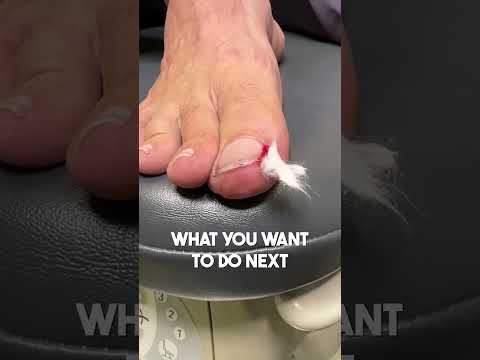
Placing a small piece of cotton or dental floss under the ingrown edge of the nail may lift it slightly away from the skin. This is all about creating space so it doesn’t dig in further. Be gentle though; you don’t want to make things worse!
Topical Treatments
You might find some topical antiseptics helpful if there’s redness or irritation. Applying these can keep things clean and prevent infection without having to visit a pharmacy right away.
When to Seek Professional Help
If the pain doesn’t go away after trying these remedies, or if you notice excessive redness, swelling, or pus leaking from it, it’s really important to see someone who knows more about this stuff! Sometimes nails require more than just home care.
Conclusion on Ingrown Toenails Remedies
The thing is, while quick remedies provide temporary relief, they don’t replace professional advice if your problem continues or worsens. You deserve comfort without ongoing foot troubles.
Say Goodbye to Pain and Discomfort for Good with These Simple Steps
Understanding Ingrown Toenails
Ingrown toenails can really be a pain, right? They happen when the edge of a nail grows into the surrounding skin. This often results in redness, swelling, and sometimes infection. Imagine your toe feeling like it’s stuck in a tight shoe all day long. It’s uncomfortable.
Why Do They Happen?
There are a few reasons for ingrown toenails. Poor trimming methods—like cutting nails too short or rounding the edges—are common culprits. Tight shoes or socks that squeeze the toes can also cause this condition. Sometimes, foot injuries or even genetics play a role too.
Simple Remedies to Find Relief
If you’re feeling discomfort from an ingrown toenail, there are some steps to consider for relief:
- Soothe with warm water: Soaking your foot in warm water for about 15-20 minutes can help reduce swelling and ease pain.
- Use antiseptic: Applying an antiseptic ointment on the area might help prevent infection.
- Cotton wedge: Gently placing a small piece of cotton under the edge of the nail could lift it slightly. This helps it grow out properly rather than into the skin.
- Pain relief medication: Over-the-counter options like ibuprofen can relieve pain and inflammation if needed.
When Should You Seek Help?
If home remedies don’t work after a few days or if you notice increased redness or pus, it’s time to reach out to someone who knows more about these things—you know? This could indicate an infection that needs professional attention.
Avoiding Future Issues
You might want to change how you care for your nails going forward. Always cut them straight across instead of rounding them off. And choosing well-fitted footwear is super important too!
The Importance of Self-Care
Pain from ingrown toenails can really disrupt daily life; taking care of your feet is essential not just for comfort but overall well-being! Simple routines go a long way in avoiding issues later on.
A Quick Note on Myths
A popular myth is that you should dig out the ingrown part with tools at home—this is risky! Using objects that aren’t meant for nail care can lead to more problems than solutions.
The goal here is finding relief while being gentle with your body. Listen to what your feet are telling you; they do work hard every day!
Relief Strategies for Nighttime Discomfort and Restless Sleep
Understanding Ingrown Toenails
Ingrown toenails happen when the edge of a nail grows into the surrounding skin. This can cause pain, swelling, and sometimes infection. Hey, it’s pretty uncomfortable, right? You might find yourself tossing and turning at night because of that pesky toe.
Nighttime Discomfort from Ingrown Toenails
If your toenail is bothering you at night, it could disrupt your sleep. The discomfort might be more pronounced when you’re lying down or trying to relax. It’s like having a little pebble in your shoe—annoying and hard to ignore!
Relief Strategies for Nighttime Pain
There are several things you can try to find some relief.
- Warm Soaks: Soaking your foot in warm water for about 15-20 minutes can help ease the pain and reduce inflammation. It’s like giving your toe a little spa day!
- Epsom Salt: Adding Epsom salt to that warm water can enhance the effect. It may help decrease swelling and soothe discomfort.
- Cotton Wedge: Placing a tiny piece of cotton under the corner of the ingrown nail can lift it slightly away from the skin. Think of it as a small cushion that helps prevent further pain.
- Pain Relievers: Over-the-counter medications like ibuprofen or acetaminophen may help ease pain too. Just be cautious and follow the instructions on dosage.
Avoiding Further Irritation
Your choice of footwear plays a role as well! Tight shoes or socks can worsen discomfort. Opt for loose-fitting slippers or open-toed shoes when relaxing at home.
Caring Through the Night
If you’re still struggling to sleep due to nighttime pain, you might want to elevate your foot with pillows while you rest. This position could help reduce blood flow to the area, which may lessen sensations of throbbing or discomfort.
When to Seek Help
If you’ve tried these remedies but still feel significant pain or see signs of infection (like redness or pus), it’s probably time to reach out for professional advice. Ignoring it won’t make things better—you know?
The Bottom Line
Tackling nighttime discomfort from ingrown toenails involves a mix of home remedies tailored for you! Staying comfortable is key for rest at night; figuring out what helps take care of that stubborn toe makes all the difference in getting good sleep. Remember: Everyone’s body responds differently, so keep experimenting until you find what works best!
Effective Remedies to Relieve Pain from Ingrown Toenails
Ingrown toenails can be really painful and uncomfortable. They happen when the edge of a toenail grows into the surrounding skin, causing redness, swelling, and sometimes infection. It’s frustrating, you know? Luckily, there are several remedies that can help relieve the pain.
Warm Soaks
A simple warm soak can work wonders. Just fill a basin with warm water and soak your feet for about 15-20 minutes. This helps reduce inflammation and soften the skin around the nail. You can do this a few times a day for relief.
Epsom Salt
Addition of Epsom salt to your soak may enhance the experience. It can help draw out fluid and reduce swelling. Mix about 1-2 tablespoons in your warm water, and you’ll notice some soothing effects.
Comfortable Footwear
Wearing tight shoes or uncomfortable footwear makes everything worse. Opt for open-toed shoes or loose-fitting footwear until things get better. Your toes need space to breathe!
Antibiotic Ointment
If there’s any sign of infection, applying an over-the-counter antibiotic ointment could help prevent further issues. Just apply it gently after soaking your foot.
Pain Relievers
You might consider taking an over-the-counter pain reliever like ibuprofen or acetaminophen if you’re in significant discomfort. Make sure you follow the directions on the label—you don’t wanna take more than recommended.
When to Seek Help
If home remedies don’t work within a few days or if you see significant worsening symptoms—like intense redness or pus—it’s essential to consult a healthcare professional. Sometimes ingrown toenails require treatment that goes beyond home care.
The important thing is not to ignore it! Addressing an ingrown toenail early can save you from more complicated issues down the line.