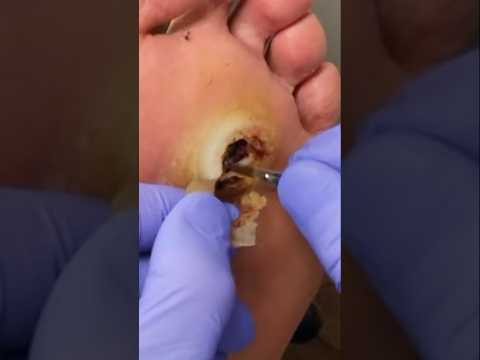
Ingrown toenails can be both painful and frustrating. They occur when the edge of a toenail grows into the surrounding skin, leading to redness, swelling, and sometimes even infection. Imagine trying to walk with a tiny thorn pressing against your toe—that’s how uncomfortable this condition can feel.
The good news is that there are several relief strategies and remedies available. From soaking your foot in warm water to wearing proper footwear, simple changes can often make a big difference. Over-the-counter pain relievers might help manage discomfort too.
However, while self-care is important, it’s essential to seek professional advice if the problem persists or worsens. Ignoring an ingrown toenail can lead to infections that might require more serious treatment. Always inform yourself through reputable sources and consult healthcare professionals when needed. Every toe deserves attention!
The information provided in this article is intended solely for general informational and educational purposes. It does not constitute medical advice, diagnosis or professional treatment, and should not be considered a substitute for consultation with a qualified doctor or other licensed healthcare professional. Any health-related decisions should be made in consultation with accredited medical professionals.
While efforts have been made to ensure the information is accurate and up to date, no guarantees are given—either express or implied—regarding its accuracy, completeness, currency or suitability. Use of this information is at your own discretion.
It is strongly recommended to consult official sources such as the NHS (National Health Service) or other recognised medical institutions before acting on any information contained on this website or article. Under no circumstances should professional medical advice be ignored or delayed due to content read here.
This content is of a general and informational nature only. It is not intended to replace individualised guidance from a healthcare professional or to establish any doctor-patient relationship. The publication of this information does not imply any professional responsibility, guarantee or obligation on the part of the author or this site.
Quick Relief Strategies for Ingrown Toenail Discomfort
Ingrown toenails can be quite uncomfortable. They happen when the edge of a toenail grows into the surrounding skin. This often leads to pain, redness, and sometimes swelling or infection.
If you’re experiencing discomfort from an ingrown toenail, consider these quick relief strategies:
If there’s any sign of infection—such as increased redness, warmth, or pus—contacting a healthcare provider is essential.
Some people find relief by gently lifting the nail away from the skin with a small piece of cotton. Make sure to change this cotton daily to keep it clean.
It’s also a good idea to keep your nails trimmed straight across rather than rounding the edges. This helps prevent future problems.
Avoid digging into the nail or cutting it too short, as this could worsen the ingrown situation.
Remember, while these strategies may provide temporary relief, persistent issues with ingrown toenails could require professional attention. Keeping an eye on your symptoms and making informed health decisions is key!
Simple solutions to relieve the pain and promote healing
Ingrown toenails can be quite uncomfortable. They occur when the edge of a toenail grows into the surrounding skin. This can lead to pain, redness, and even infection.
There are simple solutions to relieve the pain and promote healing. Here are some effective strategies you might consider:
It’s important to keep an eye on any signs of infection, such as increased redness, pus, or severe pain. If you notice these symptoms, it may be time to seek assistance.
Some people find over-the-counter pain relievers helpful for managing discomfort. Always follow instructions on how much you should take.
Keep in mind that prevention is key! Regular nail trimming straight across (not rounded) helps reduce the risk of ingrown nails in the future.
Lastly, remember that everyone’s body reacts differently. What works for one person might not work for another. It’s always worth consulting with someone knowledgeable if you’re unsure about your symptoms or treatment options.
Taking care of your feet is essential for overall health and comfort!
Exploring the Body’s Ability to Restore Nail Health
Nail health can often be overlooked, yet it plays a significant role in our overall well-being. The body’s ability to restore nail health is quite remarkable, especially when we consider common issues like ingrown toenails.
Ingrown toenails occur when the edge of a nail grows into the surrounding skin. This usually happens on the big toe and can lead to pain, redness, and swelling. If left untreated, it can even cause infections.
The good news is that the body has mechanisms to heal itself. When we take care of our nails and feet, we help this process along. Here are some ways to support nail recovery:
It’s important to listen to your body as well. If you notice persistent pain or swelling around a nail, addressing it early can be beneficial.
Another factor is nutrition. A diet rich in vitamins and minerals supports healthy nail growth. Foods high in biotin, like eggs or nuts, can aid this process.
The healing process for nails takes time but generally follows a natural cycle of growth and repair. Nails grow slowly; fingernails take about six months to fully renew, while toenails may take up to eighteen months.
If you find yourself facing chronic issues or recurrent ingrown toenails, seeking advice could provide more tailored solutions.
In summary, maintaining proper foot care practices can greatly enhance the body’s natural ability to restore nail health. Always pay attention to any changes in your nails as these may indicate underlying health concerns.
Ingrown toenails can be a painful and bothersome condition that often requires attention. They occur when the edge of a toenail grows into the surrounding skin, leading to inflammation, infection, and discomfort. Understanding relief and remedies for this common issue is vital for those affected.
First and foremost, **prevention** is key. Wearing properly fitting shoes can significantly reduce the risk of ingrown toenails. Tight footwear compresses the toes and can force nails to grow improperly. Opting for shoes with a wider toe box allows nails room to grow naturally.
If an ingrown toenail does occur, **home care** is often effective initially. Soaking the affected toe in warm water can help reduce swelling and pain. After soaking, gently lifting the nail edge away from the skin with a clean cotton swab may provide relief. Keeping the area clean and dry aids in preventing infection.
For more severe cases or persistent discomfort, professional treatment may be necessary. A healthcare provider might recommend removing part of the nail or prescribing antibiotics if an infection is present. It’s crucial not to attempt aggressive self-treatment since improper handling can worsen the condition.
Myths surround ingrown toenails, including beliefs that they always require surgery or that certain home remedies are foolproof solutions. While surgery may be needed in chronic cases, many people find relief through proper care without invasive procedures.
In conclusion, understanding both preventive measures and appropriate responses to ingrown toenails empowers individuals to manage this condition effectively. Awareness of when to seek professional help ensures better outcomes and long-term foot health.