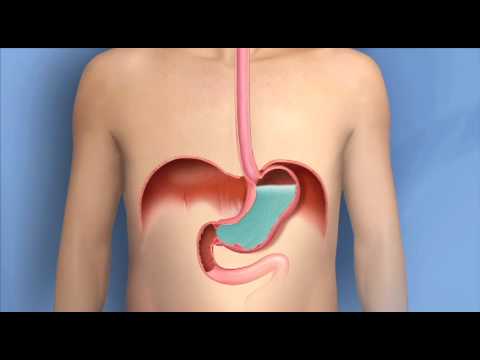
The duodenum might not be a household name, but it plays a crucial role in our digestive journey. Imagine your digestive system as a busy train station, where nutrients from food are the passengers that need to get to their final destinations. The duodenum is like the first stop on that line, welcoming those nutrients fresh from the stomach and preparing them for the trip ahead.
Located just after the stomach, this C-shaped section of the small intestine measures about 10 to 12 inches long. It’s where crucial processes unfold: enzymes break down proteins, fats emulsify, and essential nutrients begin their absorption. This tiny powerhouse may be small but is essential for our bodies to absorb vitamins and minerals we need for energy, growth, and overall health.
However, it’s vital to approach any health information carefully. The duodenum’s complexity means misunderstandings can arise easily. Always consult various specialists, such as dietitians or gastroenterologists, and seek reputable sources when looking to understand your body better. Each expert brings a unique perspective that contributes to a well-rounded understanding of this important part of your digestive system. Your health journey is worth exploring with curiosity and care!
The information provided in this article is intended solely for general informational and educational purposes. It does not constitute medical advice, diagnosis or professional treatment, and should not be considered a substitute for consultation with a qualified doctor or other licensed healthcare professional. Any health-related decisions should be made in consultation with accredited medical professionals.
While efforts have been made to ensure the information is accurate and up to date, no guarantees are given—either express or implied—regarding its accuracy, completeness, currency or suitability. Use of this information is at your own discretion.
It is strongly recommended to consult official sources such as the NHS (National Health Service) or other recognised medical institutions before acting on any information contained on this website or article. Under no circumstances should professional medical advice be ignored or delayed due to content read here.
This content is of a general and informational nature only. It is not intended to replace individualised guidance from a healthcare professional or to establish any doctor-patient relationship. The publication of this information does not imply any professional responsibility, guarantee or obligation on the part of the author or this site.
Understanding the Duodenum: Its Role and Where to Find It in the Body
The duodenum is a crucial part of your digestive system. It is the first section of the small intestine, sitting just below your stomach. Think of it like the initial stage of a race, where food begins its complex journey through digestion.
After food leaves the stomach, it enters the duodenum. This is where a lot of important things happen. Enzymes from the pancreas and bile from the liver mix with the food to help break it down further. It’s like adding spices to a dish; they enhance flavor and make everything better absorbed.
The duodenum measures about 10-12 inches long. It’s shaped like a “C” and curves around the pancreas. Imagine hugging an object gently; that’s how it surrounds this organ.
Several key processes take place in the duodenum:
You can find it in your upper abdomen, just behind your stomach. If you place your hand on your upper belly, you are somewhat close to where the duodenum resides.
Understanding its role can help you appreciate how important good nutrition is for overall health. If there are issues in this area, it could affect how nutrients are processed and absorbed.
Sometimes people think of their digestive system as simple and straightforward. However, each part has its unique job that contributes to overall wellness.
Remember that any concerns about digestion should be discussed with someone who can provide guidance tailored to individual needs. It’s essential to stay informed and seek reliable information when making health decisions!
Exploring the Intricacies of Your Body’s Essential Digestive Junction
When we think about digestion, many of us might picture our stomach. But there’s a crucial part of this process that often gets less attention: the duodenum. This small section is vital for breaking down food.
The duodenum is the first part of your small intestine. It’s about 10-12 inches long, which is roughly the length of a ruler. It connects the stomach to the rest of the small intestine, like a bridge between two important areas.
Located just below your stomach, the duodenum plays a significant role. It’s where partially digested food meets bile and pancreatic juices. Think of it as a mixing bowl for digestion.
Here are some key things to note about the duodenum:
The pH level also changes here. Food coming from your stomach is very acidic. The duodenum neutralizes this with bicarbonate from pancreatic juices so that enzymes can work effectively.
Health issues related to the duodenum can lead to problems like ulcers or blockages. These conditions can disrupt digestion far beyond just this area.
Let’s not forget signals sent from this region back to your brain too! They help control appetite by releasing hormones when you’ve eaten enough.
Understanding how essential this junction is can inspire better choices around diet and health. Nourishing our bodies effectively supports all parts of our digestive system, including the often-overlooked duodenum.
So next time you enjoy a meal, remember that an intricate dance happens beyond taste alone. Your body works hard to break down food into nutrients that fuel every aspect of your life!
Unlocking digestive health: The vital role of the second part of the duodenum
The second part of the duodenum plays a vital role in digestive health. Located right after the first part, it continues the important task of breaking down food. It’s like a relay station for your meals as they move through the digestive system.
This section of the duodenum is called the descending part. Here, several key events happen that are crucial for digestion. It connects with ducts that carry important fluids from other organs.
Key functions of the second part of the duodenum include:
Bile helps break down fats, while pancreatic enzymes assist in digesting proteins and carbohydrates. Think of it like having a team of helpers who all work together to prepare your food for absorption.
Without proper function in this area, digestion can become less efficient. This can lead to discomfort and nutrient absorption issues. When your body doesn’t break down food well, you might miss out on essential vitamins and minerals.
Understanding how this section works can help you make better dietary choices. Eating a balanced diet rich in fiber supports overall digestive health. Fiber acts like something that sweeps through your intestines, helping everything move smoothly.
On another note, dysfunction or blockage in this area can lead to serious issues, such as pancreatitis or bile duct obstruction. Symptoms may include pain, bloating, and changes in bowel habits.
If you’re feeling unwell or have persistent digestive issues, it’s important to consult a healthcare professional for guidance. They can give you tailored advice based on your unique situation.
In summary, keeping an eye on your digestive health means appreciating parts like the second duodenum where significant action takes place. Awareness leads to better choices and ultimately enhances your well-being.
Understanding the duodenum is essential for comprehending digestive processes and overall gastrointestinal health. The duodenum is the first part of the small intestine, located just below the stomach. It plays a pivotal role in digestion by receiving partially digested food, bile from the liver, and pancreatic enzymes.
Anatomically, the duodenum is shaped like a C and approximately 10 to 12 inches long. It connects to the stomach on one end and to the jejunum, another section of the small intestine, on the other.
Functionally, it acts as a mixing chamber. When food enters from the stomach, it is acidic and needs neutralization. Here’s where bile helps—like soap breaking down grease—allowing fats to mix with water for easier absorption.
Additionally, this section of the intestine absorbs essential nutrients such as vitamins and minerals.
This complex interplay ensures our bodies get necessary nutrients efficiently.
Ultimately, understanding this vital organ not only sheds light on how our body processes food but also emphasizes its role in potential diseases like ulcers or blockages. Recognizing these details can guide healthier lifestyle choices or prompt timely medical consultations when something seems off in our digestive health.