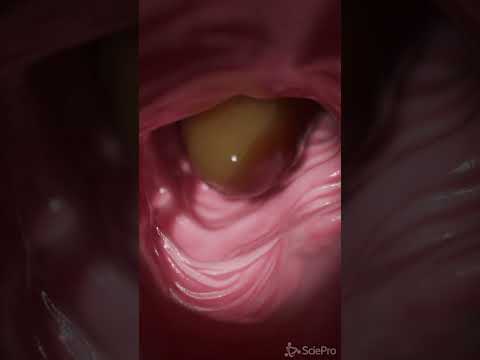
Have you ever stopped to think about your kidneys? These two bean-shaped organs are often overlooked, yet they play a vital role in keeping your body healthy. Nestled just below your ribcage, one on each side of your spine, kidneys are like miniature filtering factories. They sift through our blood to remove waste and excess fluids while balancing essential minerals. Imagine them as diligent workers in a factory, sorting out what the body needs and discarding what it doesn’t.
Understanding the function and importance of your kidneys can unveil much about your overall health. When they’re functioning well, you might not give them much thought. However, if they struggle or fail, it can lead to serious health issues. This makes learning about their role all the more critical.
Warning: While it’s important to educate yourself about kidney health, be cautious of where you get your information. Misinformation can lead to confusion or unnecessary anxiety. Always consult reliable sources and speak with healthcare professionals if you have concerns or questions about kidney health. Keeping an open mind and seeking knowledge from various specialists can help ensure a well-rounded understanding of how to care for these essential organs in our bodies.
The information provided in this article is intended solely for general informational and educational purposes. It does not constitute medical advice, diagnosis or professional treatment, and should not be considered a substitute for consultation with a qualified doctor or other licensed healthcare professional. Any health-related decisions should be made in consultation with accredited medical professionals.
While efforts have been made to ensure the information is accurate and up to date, no guarantees are given—either express or implied—regarding its accuracy, completeness, currency or suitability. Use of this information is at your own discretion.
It is strongly recommended to consult official sources such as the NHS (National Health Service) or other recognised medical institutions before acting on any information contained on this website or article. Under no circumstances should professional medical advice be ignored or delayed due to content read here.
This content is of a general and informational nature only. It is not intended to replace individualised guidance from a healthcare professional or to establish any doctor-patient relationship. The publication of this information does not imply any professional responsibility, guarantee or obligation on the part of the author or this site.
Uncovering the Signs and Spots of Kidney Discomfort
Understanding kidney discomfort is important for maintaining overall health. Our kidneys play vital roles in the body, including filtering waste, balancing fluids, and regulating blood pressure.
The kidneys are located in your lower back, one on each side of the spine. They resemble beans in shape and size—about the size of a fist. When something goes wrong with them, you might experience signs that indicate discomfort.
Common signs of kidney issues can include:
Sometimes, people confuse kidney pain with back pain. It’s important to pay attention to where you’re feeling discomfort. Kidney pain tends to feel deeper and more localized.
Urinary changes can also be crucial indicators. Notice if there is blood in the urine or if it appears cloudy. These might signal infection or other serious conditions.
Additionally, fatigue can accompany kidney issues due to a build-up of toxins in your body when kidneys aren’t functioning well.
Remember that lifestyle factors impact kidney health too. Staying hydrated helps them function properly while a balanced diet supports overall well-being.
If you notice any persistent signs of discomfort related to your kidneys, consider reaching out for professional guidance. It’s always better to be proactive about health concerns.
In conclusion, being aware of the signs related to kidney discomfort helps you make informed choices about your health. Taking small steps today can lead to better outcomes tomorrow!
Unveiling the Hidden Treasure: Discovering the Kidney’s Place in a Woman’s Anatomy
The kidneys are often overlooked, but they play a crucial role in the body. They filter blood, remove waste, and balance fluids. For women, understanding these functions can help maintain overall health.
Located on either side of the spine, just below the ribcage, the kidneys are bean-shaped organs. Imagine them as natural filters. They clean your blood by removing toxins and extra substances like water and salt.
Women have unique health considerations when it comes to their kidneys. Hormonal changes during menstruation or pregnancy can affect kidney function. It’s important for women to be aware of these changes.
Kidneys perform several key functions:
Many myths surround kidney health. One common misconception is that only people with existing conditions need to care for their kidneys. In reality, everyone should prioritize kidney health.
Staying hydrated is vital for kidney function. Think of water as an essential cleaning agent that helps the kidneys do their job efficiently.
A balanced diet rich in fruits, vegetables, and whole grains also supports kidney health. Too much salt or processed foods can overwork these organs.
Women should also be mindful of urinary tract infections (UTIs). These infections can affect kidney health if not treated promptly.
Recognizing symptoms like changes in urination or persistent back pain is important. If something feels off, seeking medical advice is always a wise choice.
Being proactive about kidney health involves regular check-ups and staying informed about personal risks, especially if there’s a family history of renal problems.
In conclusion, understanding the role of kidneys helps empower women to make choices that benefit their overall well-being. They’re hidden treasures worth knowing about!
Exploring the Essential Roles of Your Body’s Powerhouse Organs
Our body is like a complex machine, with various organs working together to keep everything running smoothly. Among these, the kidneys are often referred to as the body’s powerhouse organs. They play several crucial roles that are essential for our overall health.
The kidneys are located at the back of your abdomen, just below your rib cage. Typically, you have two kidneys that resemble kidney beans in shape. Despite their small size, they perform a *huge* job.
Filtration is one of their primary functions. Every day, your kidneys filter about 50 gallons of blood to remove waste and excess fluids. This waste becomes urine, which is then excreted from your body.
Another important role is balancing fluids and electrolytes. They help maintain the right levels of substances like sodium and potassium in your blood. Think of it like a tightrope walker balancing on a line; even small changes can make a big difference.
The kidneys also produce hormones. One such hormone is erythropoietin, which stimulates the production of red blood cells. This ensures that your body gets enough oxygen.
Furthermore, they regulate blood pressure. The kidneys adjust the volume of blood (via fluid balance) and release certain hormones that can constrict blood vessels when needed.
It’s easy to forget about these vital organs until something goes wrong. Kidney disease can develop silently over time and often goes unnoticed until it’s advanced.
To help keep your kidneys healthy:
Always remember that what you put into your body matters significantly for kidney health. It’s wise to be proactive rather than reactive when it comes to looking after these powerhouse organs.
Every organ plays its part in this intricate system we call our body. The more we know about them—like the kidneys—the better choices we can make for our health!
The kidneys are remarkable organs, often overlooked despite their vital functions. Nestled in the lower back, just below the rib cage, they play a crucial role in maintaining our body’s balance. Think of them as natural filters that cleanse our blood, removing waste and excess minerals.
Each kidney contains around a million tiny structures called nephrons. These nephrons act like mini factories, processing blood to create urine—a mechanism that helps regulate water levels and electrolyte balance in the body. This intricate system is essential for homeostasis; when it’s disrupted, health issues can arise.
Understanding the kidneys’ role expands our appreciation for this complex organ system. They not only filter waste but also control blood pressure and stimulate red blood cell production through a hormone called erythropoietin. When we grasp their importance, we become more motivated to take care of them through lifestyle choices like staying hydrated and eating a balanced diet.
Addressing common misconceptions is also vital. For example, many believe kidney issues only affect older adults; however, conditions like diabetes and high blood pressure can impact anyone at any age. This underscores the need for regular check-ups and awareness of risk factors.
In reflecting on “Kidneys Unveiled,” it’s clear that understanding these organs encourages proactive health management. By treating our kidneys well—choosing healthier foods, exercising regularly, and avoiding excessive medications—we empower ourselves to lead healthier lives overall.