The information provided in this article is intended solely for general informational and educational purposes. It does not constitute medical advice, diagnosis or professional treatment, and should not be considered a substitute for consultation with a qualified doctor or other licensed healthcare professional. Any health-related decisions should be made in consultation with accredited medical professionals.
While efforts have been made to ensure the information is accurate and up to date, no guarantees are given—either express or implied—regarding its accuracy, completeness, currency or suitability. Use of this information is at your own discretion.
It is strongly recommended to consult official sources such as the NHS (National Health Service) or other recognised medical institutions before acting on any information contained on this website or article. Under no circumstances should professional medical advice be ignored or delayed due to content read here.
This content is of a general and informational nature only. It is not intended to replace individualised guidance from a healthcare professional or to establish any doctor-patient relationship. The publication of this information does not imply any professional responsibility, guarantee or obligation on the part of the author or this site.
Understanding the Dura Mater: Functions and Health Implications
Have you ever thought about what protects your brain? It’s fascinating to think that your brain is nestled within layers of membranes. One of these really important protective layers is called the dura mater. You might not have heard of it before, but it plays a vital role in keeping your brain safe.
This article dives into the functions of the dura mater. It’s more than just a layer; it’s like a fortress for your brain, absorbing shocks and preventing damage. Understanding its role can help you appreciate how your body keeps working smoothly every day.
But hey, what does this mean for you? Knowledge about the dura mater can shed light on certain health issues, especially those related to head injuries or neurological conditions. Sometimes we overlook these structures in our discussions about health.
Remember, while this information is useful, it doesn’t replace professional medical advice. Always consult with a healthcare provider before making any health decisions based on what you read here. Your health journey is unique, and getting expert guidance is key.
Unveiling the Intricacies of the Brain’s Protective Layer
Understanding the Dura Mater
The brain is wrapped in layers, kind of like a protective onion. The outermost layer is called the dura mater. This layer is super important for keeping your brain safe.
What Exactly is the Dura Mater?
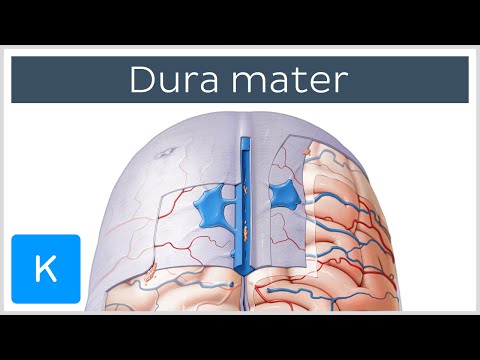
The dura mater is a tough, thick membrane that surrounds the brain and spinal cord. It’s composed of two layers itself: the outer periosteal layer and the inner meningeal layer. Think of them like the shell and lining of an egg, both working together to protect what’s inside.
Functions of the Dura Mater
- Protection: The dura mater provides a strong barrier against physical impacts.
- Support: It helps anchor blood vessels and nerves that supply the brain.
- Cushioning: This layer also creates space for cerebrospinal fluid, which cushions the brain from sudden jolts.
Diseases and Conditions Impacting the Dura Mater
Sometimes, problems can arise with this protective layer. Conditions like meningitis or dural tears can occur. Meningitis is inflammation that might be caused by infections; it’s serious but treatable if caught early.
A dural tear might happen due to injury or surgery, which can lead to leakage of cerebrospinal fluid. Imagine this as a small crack in a water balloon—it can cause issues if not fixed.
Simplifying Symptoms
If your dura mater isn’t healthy, you could experience headaches or neck stiffness—like tension building up after a long day at work. Other symptoms might include sensitivity to light or confusion. If someone has these things persistently, it might be worth chatting with a healthcare provider.
Nurturing Your Brain Health
Taking care of your overall health plays into how well your dura mater functions too! Eating well, staying hydrated, and managing stress are all things that support brain health—and by extension—its protective layers.
A Quick Recap
- The dura mater is crucial for protecting your brain’s delicate tissues.
- Itt’s involved in various supportive roles within your central nervous system.
- If issues arise with this membrane, they can lead to significant symptoms requiring attention.
Your body has remarkable ways of protecting itself. Understanding these components helps you appreciate how intricate our systems are—and just how much we need to care for our health over time!
Exploring the Hidden Role of the Brain’s Protective Layer
Understanding the Dura Mater: An Essential Brain Layer
The brain is a complex organ but one aspect that’s often overlooked is its protective layers. The dura mater for instance plays a crucial role in shielding your brain from injury. You might think of it as the tough outer layer of a delicate fruit—a tough skin keeping everything inside safe.
What is the Dura Mater?
The dura mater is the outermost membrane surrounding the brain and spinal cord. It’s strong and durable made of dense connective tissue. Think of it as a helmet that protects your brain from knocks and bumps.
Functions of the Dura Mater
- Protection: It prevents physical impact to the brain.
- Support: It helps hold blood vessels and nerves in place.
- Cerebrospinal Fluid (CSF) Barrier: It keeps cerebrospinal fluid from leaking out.
This barrier lets your brain float safely while also cushioning it against sudden movements. Without this layer our brains would be much more vulnerable to injuries.
Health Implications
If the dura mater gets damaged or inflamed it can lead to severe problems like meningitis or other infections. These are serious conditions where harmful pathogens invade sometimes causing headaches or neck stiffness.
You know how a car seatbelt protects you during an accident? Well when something disrupts the dura mater’s function it’s like driving without that seatbelt—much less safe!
Meningitis Overview
Meningitis can happen due to infections or even certain medications affecting how well your body protects itself. Symptoms often involve fever and extreme discomfort; sometimes even confusion sets in. If you ever experience these signs after an injury or infection it’s wise to see a health care provider.
Caring for Your Brain
A healthy lifestyle goes hand-in-hand with supporting the dura mater’s functions. Staying hydrated eating nutritious foods exercising regularly—these all contribute to overall health.
- Avoiding head injuries: Use helmets when biking or participating in contact sports.
- Pursuing regular check-ups: Stay on top of any potential issues with a professional’s help.
Your brain’s protective layers really do matter! They protect you every day without you even realizing it most times. Understanding how they work can empower you to take better care of your overall well-being.
Unveiling the Vital Role of the Brain’s Protective Layer
Understanding the Dura Mater
Hey, have you ever thought about how the brain is protected? The dura mater is a key player here. It’s one of three layers covering your brain and spinal cord, forming a tough and durable shield.
What Exactly is the Dura Mater?
The dura mater is like a thick layer of skin that wraps around your brain. It’s made up of connective tissue, which means it provides structure and support. Think of it as a strong backpack that carries important things—your brain included!
Functions of the Dura Mater
- Protection: The primary job is to protect the brain from injury. Imagine a helmet; it absorbs impacts to keep your head safe.
- Support: It helps maintain the shape and position of the brain within your skull.
- Cerebrospinal Fluid: The dura helps create space for cerebrospinal fluid (CSF), which cushions and nourishes the brain.
The Layers Beneath
The dura mater isn’t alone; it has two pals. Underneath it are the arachnoid mater and pia mater. Think of them as layers in an onion—each one has its role, but they work together to protect your most vital organ.
Health Implications
If something goes wrong with the dura mater, it can lead to serious issues. Conditions like meningitis or tumors can affect this protective layer. These can cause headaches, nausea, or neurological symptoms—basically anything that messes with how you feel in your head.
Meningitis Explained
Meningitis is an inflammation of the protective membranes covering the brain and spinal cord. In simple terms, if these layers get inflamed, they can cause a really bad headache or fever. It’s crucial to seek help if symptoms arise.
Protecting Your Brain
You might wonder what you can do to keep your dura mater healthy. Well, staying safe during physical activities is a good start! Using helmets when biking or playing sports protects not just your skull but also everything inside it.
A Final Thought
The health of your dura mater matters because it plays such an important role in keeping our brains functioning well. So next time you think about protecting yourself during sports or risky activities, remember: it’s not just about avoiding bumps; it’s also about caring for that vital protective layer!
Understanding the Dura Mater: Functions and Health Implications
The dura mater is one of the three protective membranes surrounding the brain and spinal cord. It’s the outermost layer, sitting just beneath the skull. You could think of it like a tough, leather jacket that shields sensitive organs from external damage.
One primary function of the dura mater is to provide a protective barrier against injury and infection. It also helps maintain intracranial pressure, which is essential for normal brain function. By doing so, it protects vital structures inside your head.
Health implications arise when something goes wrong with this protective layer. For instance, a tear in the dura mater can lead to conditions like cerebrospinal fluid leaks, which can cause headaches and even neurological symptoms. It’s similar to having a hole in a water balloon; everything inside would start leaking out.
Another issue could be meningitis, which is an infection of the membranes surrounding the brain and spinal cord, including the dura mater. This condition can be quite serious and requires immediate medical attention.
Understanding the role of dural health plays an essential part in diagnosing various neurological disorders. Monitoring any unusual symptoms like severe headaches or neck stiffness can lead to early detection of issues related to this important tissue.
So, keeping an eye on your health is crucial because what happens to our brain’s protective layers impacts overall well-being significantly.