The information provided in this article is intended solely for general informational and educational purposes. It does not constitute medical advice, diagnosis or professional treatment, and should not be considered a substitute for consultation with a qualified doctor or other licensed healthcare professional. Any health-related decisions should be made in consultation with accredited medical professionals.
While efforts have been made to ensure the information is accurate and up to date, no guarantees are given—either express or implied—regarding its accuracy, completeness, currency or suitability. Use of this information is at your own discretion.
It is strongly recommended to consult official sources such as the NHS (National Health Service) or other recognised medical institutions before acting on any information contained on this website or article. Under no circumstances should professional medical advice be ignored or delayed due to content read here.
This content is of a general and informational nature only. It is not intended to replace individualised guidance from a healthcare professional or to establish any doctor-patient relationship. The publication of this information does not imply any professional responsibility, guarantee or obligation on the part of the author or this site.
Have you ever wondered how sexual activity impacts your overall health? It’s a topic often brushed aside, yet it plays a vital role in our lives. Many people don’t realize that understanding the health implications of sexual activity can shape our well-being in significant ways.
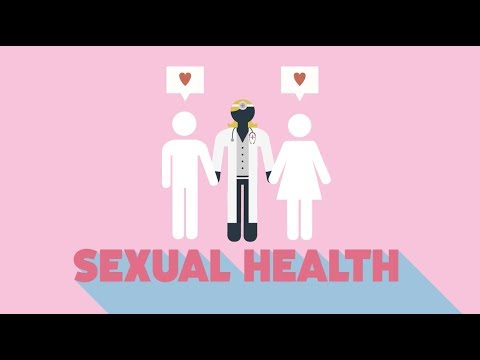
Sexual health isn’t just about avoiding STIs or unplanned pregnancies—though those are important too. It’s also about emotional connection, intimacy, and physical health. The truth is, engaging in sexual activity can bring both joy and risks. So, knowing how to navigate this landscape is essential.
This article will explore various aspects of sexual activity—from physical benefits to potential risks and best practices for care. We’ll look into how communication, consent, and education play crucial roles in making informed decisions. You may find that understanding these elements can lead to healthier experiences.
Remember though, this content doesn’t replace medical advice. Health decisions shouldn’t be made solely based on what you read here; always consult a healthcare professional for personalized guidance.
Real-Life Scenarios for a Happier, Healthier You
Understanding Sexual Activity: Health Implications and Care
Sexual activity is a natural part of life, but it comes with both joys and responsibilities. It’s important to understand how it affects our health.
The Emotional Side
Hey, you know how intimacy can create a bond? It’s not just physical; it’s emotional too. Engaging in sexual activity can boost mood through hormone releases like oxytocin and endorphins. These help people feel closer to each other.
On the flip side, if sex isn’t consensual or if it brings up past trauma, it can lead to anxiety or depression. So, communication is key in relationships.
Physical Health Considerations
Look, sexual activity does have some health implications that we shouldn’t ignore. For example, safe sex practices are critical. Using protection like condoms can significantly reduce the risk of sexually transmitted infections (STIs) and unintended pregnancies.
You might think STIs are only for certain groups of people, but they can affect anyone who is sexually active. Regular testing is always a smart move, even if things seem fine.
Aging and Sexual Health
Sometimes people wonder about sexual health as they age. It’s normal for libido to change over time due to hormonal shifts or even medications. Talking with partners about these changes helps maintain intimacy.
You know that maintaining cardiovascular health is crucial too? Good blood flow affects everything from energy to sexual function; physical activity helps keep things flowing!
Communication in Relationships
This might sound simple, but open conversations about desires and boundaries are so important. Many issues arise from misunderstandings or assumptions between partners.
- Ask what feels good for each other.
- Dare to discuss worries or insecurities openly.
- Create a safe space for those conversations—trust matters!
Mental Health Impact
If someone has anxiety or stress in their life, it can often impact their sexual experiences too. Sometimes relaxing activities before intimacy—like watching a movie together—can help ease tension.
The Role of Consent
This one can’t be stressed enough: consent must always be clear and mutual! It’s an ongoing conversation; feelings can change at any moment during an encounter.
If one person feels uncomfortable at any point, it’s perfectly fine to pause or stop altogether without fear of hurting feelings dramatically—always respect each other’s limits!
Your Journey Towards Balance
The thing is finding balance is essential in making sure sexual activity enhances your life rather than complicating it. Open dialogue about concerns coupled with responsible practices leads to healthier outcomes—not just physically but emotionally too.
A healthier you isn’t just about avoiding problems; it’s about enjoying the journey! Embrace those moments together and make the most out of them while being mindful of each other’s needs and well-being!
Understanding the Impact on Relationships, Well-being, and Quality of Life
Understanding the Impact on Relationships
Sexual activity is a significant part of many relationships. But, the impact goes way beyond just physical pleasure. It can shape emotional connections, influence trust, and even affect overall intimacy. When sexual health is prioritized in a relationship, both partners may feel more connected and understood.
Take a couple who communicates openly about their desires and boundaries. They likely experience less conflict over misunderstandings. On the other hand, if there’s a lack of communication or unmet needs, it can lead to resentment or feelings of disconnect.
Well-being and Quality of Life
Engaging in sexual activity can also have important implications for overall well-being. Research suggests that it can lower stress levels and boost mood. The release of endorphins during sex contributes to feelings of happiness—it’s like receiving a natural high!
However, not everyone has access to healthy sexual experiences. Factors such as mental health issues or past traumas can limit someone’s ability to engage confidently in sexual activity. This underscores the need for open conversations about these barriers.
The Role of Communication
You know, talking openly about sex can be daunting but it’s super important! Expressing what you want or need in the bedroom helps build trust and safety between partners.
This isn’t just about physical preferences; it also involves discussing emotional needs and concerns related to intimacy. Sharing fears or uncertainties makes for stronger bonds—you might be surprised at how your partner shares similar feelings!
Acknowledging Boundaries
Setting boundaries regarding sexual activity is essential too! Everyone has different comfort levels, and respecting those boundaries fosters mutual respect. For instance, one partner may not feel ready while another feels eager—it’s all about finding common ground.
This doesn’t mean your desires are unworthy; rather it shows that each person has unique experiences shaping their views on sex.
Mental Health Considerations
Mental health plays a significant role in how individuals approach sexuality. Anxiety or depression can impact libido significantly—some people might struggle with arousal due to these emotions.
If someone finds themselves withdrawing from sex because they don’t feel good mentally, that’s completely normal! Understanding this connection helps break down stigma surrounding mental health in relationships.
Cultivating Emotional Intimacy
Emotional intimacy often enhances physical intimacy; think of it like building rapport with someone before going out for coffee together versus jumping straight into things!
- Pursuing shared interests strengthens connection—like cooking together or taking walks.
- Saying nice things about each other promotes positivity, which might translate into better chemistry later on.
- Create small rituals—like cuddling after watching TV—that reinforce your bond over time.
The Takeaway
The bottom line? Understanding sexual activity’s impact on relationships requires attention not just to physical aspects but also emotional well-being.” It’s all intertwined! Embracing open discussions while respecting boundaries creates opportunities for growth both personally and as a couple.
Understanding the Foundations of Well-Being and Intimacy
The concept of well-being is broad, but at its core it’s about feeling good both physically and emotionally. One big piece of this puzzle is intimacy, especially when it comes to sexual activity. This can affect how we connect with others and how we view ourselves.
What is intimacy?
Intimacy goes beyond just physical closeness. It involves emotional bonds, trust, and understanding between partners. Think about it like planting a garden: you need to nurture the soil, water your plants, and protect them from pests to help them grow properly.
The Role of Sexual Activity
Sexual activity is often seen as a natural part of relationships. It can be a way to express love or desire. However, it’s important to remember that not all relationships are based on sex. Sometimes companionship or emotional support can be just as fulfilling.
Health Implications
Engaging in sexual activity comes with some health implications—both positive and negative. On one hand, healthy sexual relationships can reduce stress, boost happiness levels, and even improve heart health by promoting physical activity.
On the other hand, there are risks involved too. Sexually transmitted infections (STIs) are a real concern if precautions aren’t taken. Using protection like condoms is crucial; it’s kind of like wearing a seatbelt when you drive—just common sense!
The Importance of Communication
You know how they say communication is key? That’s so true in intimate relationships! Talking openly about desires, boundaries, and any concerns helps build trust. Think about planning a trip with friends; if everyone shares their ideas openly, you’re much more likely to have fun together.
Caring for Your Body
Your body deserves care too! Regular check-ups with healthcare providers are important so you can stay on top of your sexual health. It’s nothing to be ashamed about—just like taking your car for maintenance.
If something doesn’t feel right during sexual activity or in your relationship dynamics, talking it out with someone you trust can really help clear things up.
Mental Health Connection
Your mental health plays a huge role here as well. Anxiety or depression might affect desire or enjoyment in intimate moments. Prioritizing mental wellness through techniques like mindfulness or counseling can enhance intimacy significantly.
Conclusion: Holistic Approach
Nurturing intimacy requires an understanding that both physical health and emotional well-being are interconnected. Ultimately, it’s about fostering an environment where both partners feel safe and valued.
- Acknowledge personal boundaries.
- Create open lines of communication.
- Cultivate empathy towards each other’s feelings.
- Ensure safety precautions during sex activities.
- Regularly discuss concerns regarding emotional or physical health.
The path toward deeper connections might take time but just like any relationship worth having—it grows stronger through understanding and care!
Understanding Sexual Activity: Health Implications and Care
Looking at sexual activity, it’s essential to recognize that it plays a crucial role in many people’s lives. It’s about connection, intimacy, and sometimes even reproduction. But with this significant part of life comes responsibilities and health considerations that shouldn’t be overlooked.
One major aspect is the risk of sexually transmitted infections (STIs). Many people might think they know about STIs, but honestly, misconceptions can lead to risky behaviors. Using protection like condoms significantly reduces these risks. Regular testing is also key; it can catch issues early before they become serious.
Another factor to consider is consent. It’s fundamental for any sexual encounter. Everyone involved should feel comfortable saying “yes” or “no.” This aspect isn’t just a legal obligation but a moral one—respecting boundaries is vital for emotional well-being.
Mental health also plays an important role in sexual activity. Sometimes people may feel pressure to engage in sex based on societal norms or peer influence. This stress can lead to anxiety or low self-esteem. Communicating openly with partners about feelings and expectations is crucial for maintaining healthy relationships.
Healthcare providers have a vital part in this dialogue too. They should create safe spaces where individuals feel comfortable discussing their concerns about sexual health without fear of judgment. Educating patients about healthy practices enhances awareness and empowers them to make informed decisions.
In summary, understanding sexual activity encompasses not just the physical aspects but also emotional and mental dimensions too. Healthy communication, consent, regular check-ups, and education form the foundation for responsible sexual behavior.