
The information provided in this article is intended solely for general informational and educational purposes. It does not constitute medical advice, diagnosis or professional treatment, and should not be considered a substitute for consultation with a qualified doctor or other licensed healthcare professional. Any health-related decisions should be made in consultation with accredited medical professionals.
While efforts have been made to ensure the information is accurate and up to date, no guarantees are given—either express or implied—regarding its accuracy, completeness, currency or suitability. Use of this information is at your own discretion.
It is strongly recommended to consult official sources such as the NHS (National Health Service) or other recognised medical institutions before acting on any information contained on this website or article. Under no circumstances should professional medical advice be ignored or delayed due to content read here.
This content is of a general and informational nature only. It is not intended to replace individualised guidance from a healthcare professional or to establish any doctor-patient relationship. The publication of this information does not imply any professional responsibility, guarantee or obligation on the part of the author or this site.
Have you ever felt tired, weak, or just off, and wondered if it might be a vitamin deficiency? You’re not alone. Many people experience similar feelings without really knowing why. One key player in our health is vitamin B12, an essential nutrient that helps keep our blood cells and nerves healthy.
But here’s the thing: sometimes our bodies struggle to absorb vitamin B12 properly. This is where the Schilling Test comes in. It’s a medical test designed to figure out if your body can take in this important vitamin effectively.
In this article, we’ll break down what the Schilling Test is, why it matters, and how it can help assess your health. Understanding this test can empower you to take charge of your well-being.
Remember, though, this content doesn’t replace professional medical advice. Always consult a healthcare professional for any concerns about your health or dietary needs.
So let’s dive into the world of vitamin B12 and uncover the mysteries of the Schilling Test!
A Step-by-Step Guide to Understanding the Schilling Test Process
Understanding the Schilling Test for Vitamin B12 Absorption
The Schilling Test is a medical procedure that helps figure out if your body is absorbing vitamin B12 properly. Vitamin B12 is super important for making red blood cells and keeping your nervous system healthy. When someone has low levels, it can lead to health issues.
First off, why would someone need this test? Sometimes, people feel really tired or have weird nerve sensations. That can be a sign of vitamin B12 deficiency. But how do we know if it’s due to absorption issues? That’s where the Schilling Test comes in.
The Process of the Schilling Test
So, let’s break down what actually happens during the test:
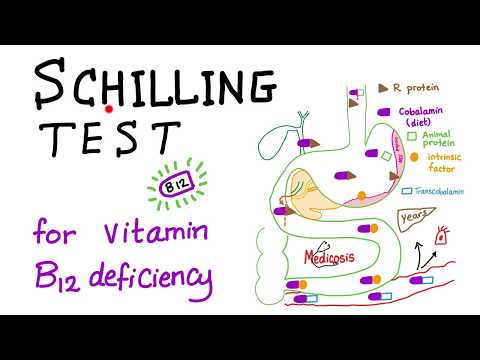
- Step 1: You start by fasting overnight. This means no food after dinner until the test is done the next day.
- Step 2: The first part involves taking a small oral dose of radioactive vitamin B12. Don’t worry; it’s tiny and safe.
- Step 3: After a couple of hours, you’ll get an injection of non-radioactive vitamin B12. This helps saturate your body’s stores.
- Step 4: Over the next day, you collect urine samples to see how much radioactive B12 your body absorbed.
You might be thinking—why radioactive? Well, it helps doctors track how much was absorbed without affecting your health negatively. They can measure this in urine samples later on.
Interpreting Results
The results help determine if there’s an absorption issue:
- If you excrete a lot of the radioactive B12 in your urine, good! It means your intestines are working fine.
- If not much shows up in the urine sample, it suggests that something’s wrong with absorption.
If absorption isn’t happening well, doctors may look into causes like pernicious anemia or gastrointestinal issues. Pernicious anemia is when your body can’t absorb vitamin B12 due to lack of intrinsic factor—a protein needed for absorption.
The Next Steps
If they find that there are problems with absorption, treatment often includes vitamin B12 shots or high-dose oral supplements to boost levels back up again. It’s important because untreated deficiencies can lead to severe health consequences over time.
A Few Final Thoughts
The Schilling Test isn’t something everyone does—it’s used when there are clear signs that something’s off with vitamin B12 levels. And while this all sounds complicated at first glance, know that doctors will guide you through every step comfortably and clearly!
This test is just one piece of a bigger puzzle regarding overall health—so don’t hesitate to ask questions if you’re ever unsure about anything!
Understanding the Implications of a Positive Schilling Test Result
The Schilling test is a medical assessment designed to determine how well your body absorbs vitamin B12. This vitamin is crucial for many functions, including red blood cell production and nerve health. A positive Schilling test result might raise some questions, so let’s break it down.
What Does a Positive Result Mean?
A positive Schilling test usually suggests that there’s an issue with how your body absorbs vitamin B12. It often indicates a condition called pernicious anemia, which happens when the stomach doesn’t produce enough intrinsic factor—a protein necessary for the absorption of B12.
But there are other reasons for a positive result too. For example, certain gastrointestinal conditions can impair absorption. These include Crohn’s disease or celiac disease, where the intestines aren’t working properly.
Why Is Vitamin B12 Important?
You might be wondering why all this matters in the first place. Vitamin B12 is essential because it helps keep your nerves healthy and plays a key role in making DNA. Without enough B12, people can experience fatigue, weakness, or even more severe symptoms like memory problems.
What Are the Next Steps After a Positive Test?
If you get a positive result from the Schilling test, it doesn’t mean something scary is going on right away. Doctors typically recommend further testing to pinpoint the cause of the absorption issue. This may involve blood tests to check your B12 levels or tests for intrinsic factor antibodies.
Treatment may include vitamin B12 injections or high-dose oral supplements—your healthcare provider will help determine what’s best for you based on your specific situation.
Can It Be Just Temporary?
Sometimes factors like certain medications or temporary gastrointestinal issues can lead to impaired absorption of B12 as well. So it’s not always about permanent damage; sometimes things can improve over time with appropriate care.
Addressing Common Myths
A common misconception is that once you have absorption issues, you’re stuck with them forever. That’s not true! Many people successfully manage their conditions and lead full lives while keeping track of their vitamin levels and making dietary changes if needed.
Final Thoughts
If you’re dealing with a positive Schilling test result, remember that it’s just one part of a bigger picture regarding your health. Communication with healthcare providers is key; don’t hesitate to ask questions about what this means for you personally.
Your journey in understanding more about vitamin B12 and its implications will help clarify paths forward for treatment options and lifestyle adjustments along the way!
A Step-by-Step Guide to Understanding the Schilling Test Process
What is the Schilling Test?
The Schilling Test is used to determine how well your body absorbs vitamin B12. Vitamin B12 is super important for making red blood cells and keeping your nerves healthy. Without enough of it, you might feel weak or tired.
Why is it Done?
This test helps doctors figure out if your body isn’t absorbing vitamin B12 properly. Sometimes, this might be due to issues like pernicious anemia or other gastrointestinal problems. You know, these conditions can interfere with how your body uses nutrients.
The Testing Process
The process may seem a bit long, but hang tight; it’s pretty straightforward!
- Preparation: Usually, you don’t need to do much in advance. But sometimes, your doctor may ask you to avoid certain medications that can affect the results.
- Step 1 – First Dose: You’ll take a small oral dose of radioactive vitamin B12. Sounds fancy, right? Don’t worry—a tiny amount is used.
- Step 2 – Injection: Next, you’ll get an injection of non-radioactive B12. This helps saturate the body’s stores and makes sure the test only measures absorption from the oral dose.
- Step 3 – Collecting Samples: After a few hours, you’ll give a urine sample. This sample reveals how much of that radioactive B12 has been absorbed by your body and then excreted.
- Final Step – Analyzing Results: The lab will check how much radioactivity is in your urine. If there’s a low level of absorption, it could signal an underlying problem.
What Do the Results Mean?
If the results show normal absorption, great! Your issue could be due to something else unrelated to B12 absorption. On the flip side, low levels might indicate malabsorption issues which often need further investigations or treatments.
A Couple of Points to Keep in Mind
This test isn’t something you’d do every day; it’s usually only done when there’s suspicion about absorption problems. Also, while this test provides valuable information about vitamin B12 absorption specifically, it doesn’t necessarily diagnose every related issue.
Mistakes and Misunderstandings
- Dont confuse this with just checking for anemia; it’s more specific than that!
- The radioactive part might sound scary but remember it’s carefully controlled and safe within regulated amounts.
- You can still have deficiencies even if other tests come back normal—there’s often more than meets the eye!
If you’re ever in doubt or feel funky about vitamin levels — talking with a healthcare provider makes sense! They can guide you through other possible tests or solutions based on what you need personally.
Understanding the Schilling Test for Vitamin B12 Absorption
The Schilling test is a medical assessment designed to evaluate how well your body absorbs vitamin B12. This vitamin is vital for red blood cell production and neurological function. When absorption is impaired, it can lead to various health issues.
The test works in a few steps. First, you take an oral dose of radioactive vitamin B12. Then, you collect urine over 24 hours. If your body absorbs the vitamin properly, you’ll excrete a certain amount in your urine. Low levels of excreted B12 can indicate malabsorption issues.
This test helps identify conditions like pernicious anemia or other gastrointestinal disorders affecting absorption. You know? Pernicious anemia occurs when your body can’t absorb B12 due to a lack of intrinsic factor, a protein made by the stomach lining.
Now, why is this important? Well, untreated vitamin B12 deficiency can cause serious health problems including nerve damage and cognitive decline. Understanding how the Schilling test fits into patient care highlights its role in preventing these complications.
Overall, while less common today due to alternative testing methods available, the Schilling test provides valuable insights into absorption problems that may otherwise go undetected.


