The information provided in this article is intended solely for general informational and educational purposes. It does not constitute medical advice, diagnosis or professional treatment, and should not be considered a substitute for consultation with a qualified doctor or other licensed healthcare professional. Any health-related decisions should be made in consultation with accredited medical professionals.
While efforts have been made to ensure the information is accurate and up to date, no guarantees are given—either express or implied—regarding its accuracy, completeness, currency or suitability. Use of this information is at your own discretion.
It is strongly recommended to consult official sources such as the NHS (National Health Service) or other recognised medical institutions before acting on any information contained on this website or article. Under no circumstances should professional medical advice be ignored or delayed due to content read here.
This content is of a general and informational nature only. It is not intended to replace individualised guidance from a healthcare professional or to establish any doctor-patient relationship. The publication of this information does not imply any professional responsibility, guarantee or obligation on the part of the author or this site.
Hey, have you ever felt super tired even after a good night’s sleep? Or maybe you’ve noticed some weird tingling in your hands and feet? These could be signs of a vitamin B-12 deficiency. It’s surprising how much this little nutrient affects our bodies!
Vitamin B-12 plays a huge role in keeping our blood cells healthy and supporting our nervous system. Without enough of it, we can run into some serious health issues. But here’s the kicker: not everyone knows they should be checking their B-12 levels regularly.
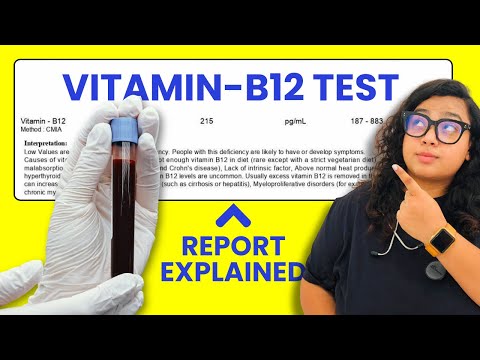
This article is all about understanding your vitamin B-12 level test and why it matters for your health. We’ll break down what the test involves, what those numbers actually mean, and how to interpret your results. Trust me, once you get the hang of it, you’ll feel more empowered about your health decisions.
Remember though, this isn’t an alternative to professional medical advice. It’s always important to talk to a healthcare professional if you’re concerned about your vitamin levels or overall health.
Unlocking the Secrets to Your Energy and Well-Being
Understanding Vitamin B-12 and Its Importance
Vitamin B-12 is a water-soluble vitamin that plays a crucial role in your body. It’s vital for red blood cell production, nerve function, and DNA synthesis. When levels of this vitamin are low, it can lead to health issues, including fatigue and weakness.
Why Test Your Vitamin B-12 Levels?
You might wonder why you’d even need a Vitamin B-12 level test. It’s simple! If you feel tired all the time or have trouble concentrating, it might be linked to your B-12 levels. Testing helps identify whether a deficiency exists.
The thing is, certain groups of people might be more at risk for low B-12 levels. For example, vegans and vegetarians could struggle with this since B-12 mainly comes from animal products. Also, older adults often have trouble absorbing nutrients efficiently.
How is the Test Done?
The test itself is pretty straightforward. A healthcare professional will take a blood sample from your arm using a small needle. Don’t worry! It’s quick and usually doesn’t hurt much.
Your blood will be analyzed in a lab to check the levels of Vitamin B-12 present. Results typically come back within days depending on where you get tested.
Interpreting the Results
When you get your results back, there are generally three categories: normal, borderline, or low levels of Vitamin B-12. Normal ranges may vary slightly between different labs but typically fall between 200 and 900 picograms per milliliter (pg/mL).
If your levels are too low? That could explain feelings of fatigue or other symptoms like tingling in the hands or feet. It doesn’t mean panic time; it simply signals that further investigation might be needed.
What Happens If You’re Low in B-12?
- If you’re found to have low levels of Vitamin B-12, don’t fret! There are ways to boost those numbers.
- Your doctor may recommend dietary changes like adding fortified foods such as cereals or plant milks.
- In some cases, supplements can help bring those levels up quickly.
An interesting point: sometimes just changing what you eat can make a difference without needing supplements at all!
Myths About Vitamin B-12
- A common myth is that only older adults need to worry about their vitamin intake—a younger person can also experience deficiencies.
- Another misconception is that eating enough meat guarantees sufficient vitamin—however absorption issues can still occur regardless of diet!
Your Energy Matters!
Poor energy isn’t just about being tired; it’s about your overall well-being too! Making sure that your body has enough essential nutrients like Vitamin B-12 means better energy management throughout the day.
If you’re always yawning during meetings or find yourself needing multiple cups of coffee just to get through work? Maybe it’s time to take stock of those nutrients!
The bottom line here? Understanding your vitamin needs helps empower you towards healthier choices while boosting energy levels and overall wellness long-term!
Uncovering the Hidden Insights Behind Your B12 Levels
Understanding Vitamin B-12
Vitamin B-12 is a water-soluble vitamin that plays vital roles in our body. It’s especially important for producing red blood cells, DNA synthesis, and maintaining healthy nerve cells. You might think of it as a key player in keeping your body energized and functioning well.
Why Test Your B-12 Levels?
A Vitamin B-12 level test measures how much of this vitamin is present in your blood. There are several reasons why a healthcare provider might suggest this test. Fatigue, weakness, or memory issues could be signs of low levels. It’s kinda like checking the oil level in your car; too little can mean trouble.
What Affects Your B-12 Levels?
Absorption is really important here. If your gut isn’t able to absorb vitamin B-12 properly, you may run into problems even if you’re eating enough through food. Conditions like celiac disease or Crohn’s disease can interfere with absorption.
- Pernicious anemia—an autoimmune disorder—also plays a role as it affects the stomach’s ability to absorb the vitamin.
- Seniors often have lower levels due to changes in digestion and absorption.
- Vegetarians and vegans need to be careful because B-12 is found mainly in animal products like meat, eggs, and dairy.
The Testing Process
The test itself usually just involves drawing some blood from your arm—nothing too scary! After that, the lab checks the sample for levels of Vitamin B-12. Low results generally indicate deficiency while high values could signal other health issues.
What Happens if You’re Low on B-12?
If you find out that you’re low on vitamin B-12, there are ways to boost your levels. Diet changes might help; adding fortified foods or supplements could do the trick. Think about it: sometimes it’s just about having enough fuel in the tank!
Misinformation Around B-12
You might come across some pretty wild claims about Vitamin B-12 online. Not everything you read is accurate; for example, some people think mega-dosing will dramatically increase energy levels or cure diseases. That’s not how it works! Balance is key here; loading up excessively isn’t usually helpful and can even be harmful.
The Bottom Line
Your Vitamin B – 12 levels tell you something important about your health—you know? Understanding them helps guide dietary choices or interventions if needed. If you’re curious about your levels or think something might be off, it’s always smart to chat with someone who can guide you based on individual needs!
Uncover the signs your body is craving this essential nutrient
Understanding Vitamin B-12 and Your Body’s Signals
Vitamin B-12 is crucial for many bodily functions. It helps in making red blood cells, DNA, and supports your nervous system. If your body is craving this nutrient, it can send polite signals your way. Let’s look at some of these signs.
Fatigue and Weakness
One common symptom of low vitamin B-12 levels is a feeling of tiredness. You know that dragging feeling when you just can’t get motivated? Sometimes, it’s not just about needing more coffee or rest; it could be linked to your B-12 intake.
Pale or Jaundiced Skin
If your skin appears paler than usual or has a slight yellow tint, that’s worth paying attention to. Low B-12 can affect the production of red blood cells, leading to anemia. Think of those cells as tiny delivery cars that transport oxygen throughout your body. Fewer cars mean slower delivery.
Nerve Issues
Sometimes you may feel tingling or numbness in hands and feet. This happens because B-12 plays a role in producing myelin, which protects nerves. Imagine myelin as insulation on electrical wires; without proper insulation, the signal gets messy.
Cognitive Changes
If you’ve been forgetful lately or feel like you’re moving through fog, lack of this vitamin could be a culprit too. Our brains need B-12 for energy production and neurotransmitter functioning—those little messengers help with mood stability and mental clarity.
Mood Swings
Speaking of mood, fluctuations can also indicate a deficiency in vitamin B-12. Some people report feeling more anxious or irritable when their levels dip down low enough.
How Do You Test Your Levels?
A simple blood test can check your vitamin B-12 levels effectively. The process isn’t complicated at all; it’s like any other blood draw you might have experienced before.
Getting Enough Vitamin B-12
You might wonder how you get enough B-12 into your diet? Foods rich in this nutrient include meat, fish, dairy products, and fortified cereals for those who follow vegan diets—there are options!
- Poultry & Meat: Chicken, beef are good sources;
- Fish: Salmon and tuna provide high amounts;
- Dairy: Milk & cheese are beneficial too;
- Fortified Foods: Some plant-based milks have added B-12;
A Final Thought
If you’re experiencing some signs mentioned above consistently, consider checking with a healthcare provider about testing your levels or adjusting dietary habits. Just remember that while nutrition matters greatly for overall health; it’s only one piece of the puzzle! Listening to our bodies is key—sometimes they’re trying to tell us something important.
Understanding Your Vitamin B-12 Level Test and Its Importance
Vitamin B-12 is crucial for your health. It’s responsible for making red blood cells, supporting brain health, and keeping your nerves functioning properly. But sometimes, people have low levels of this vitamin without even realizing it.
The vitamin B-12 level test measures how much of this nutrient is in your blood. Honestly, it’s a simple blood test, but the insights it provides can be significant. A deficiency might lead to anemia or neurological issues over time.
Your body doesn’t produce B-12 on its own—it comes from animal products like meat, eggs, and dairy. If you’re vegetarian or vegan, you might need to pay closer attention to your levels.
Why are you at risk? Sometimes, malabsorption issues can interfere with how well your body uses vitamin B-12. Conditions like celiac disease or certain medications can impact absorption too.
If you’ve been feeling unusually tired or weak, or if you’re experiencing memory problems, a B-12 test could clarify if this vitamin is the issue. In many cases, getting more B-12 in your diet—or through supplements—can help improve these symptoms.
Remember though: while knowing your levels is essential, it’s best to consult with a healthcare professional about what steps you should take next based on the results.