The information provided in this article is intended solely for general informational and educational purposes. It does not constitute medical advice, diagnosis or professional treatment, and should not be considered a substitute for consultation with a qualified doctor or other licensed healthcare professional. Any health-related decisions should be made in consultation with accredited medical professionals.
While efforts have been made to ensure the information is accurate and up to date, no guarantees are given—either express or implied—regarding its accuracy, completeness, currency or suitability. Use of this information is at your own discretion.
It is strongly recommended to consult official sources such as the NHS (National Health Service) or other recognised medical institutions before acting on any information contained on this website or article. Under no circumstances should professional medical advice be ignored or delayed due to content read here.
This content is of a general and informational nature only. It is not intended to replace individualised guidance from a healthcare professional or to establish any doctor-patient relationship. The publication of this information does not imply any professional responsibility, guarantee or obligation on the part of the author or this site.
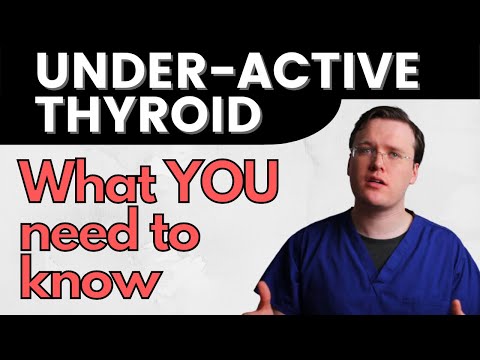
Ever felt unusually tired or gained weight without trying? You’re not alone. Millions struggle with thyroid problems that often go unnoticed. The thyroid is a small gland located in your neck, but its impact is enormous. It regulates everything from metabolism to energy levels.
You might be surprised to learn that one in eight women will have a thyroid issue at some point in their lives. That’s a significant number! These conditions can lead to symptoms that disrupt daily life. Some people feel anxious, while others experience extreme fatigue.
This article will help you understand the basics of thyroid problems, how they’re diagnosed, and what treatments are available. You’ll gain insights into why having a healthy thyroid matters and how it affects your overall well-being.
Remember, though—this information is meant for general knowledge and shouldn’t replace professional medical advice. Always consult with a healthcare provider when making health decisions or if you’re concerned about your thyroid function.
Navigating Your Options for Optimal Thyroid Health
Hey there! If you’ve been hearing a lot about thyroid health lately, you’re not alone. The thyroid is a small butterfly-shaped gland in your neck, and it plays a big role in regulating your metabolism, energy levels, and even mood. Sometimes, it doesn’t work quite right. So what do you do if you’re worried about thyroid problems?
Understanding Thyroid Problems
The thing is, there are a couple of key conditions related to the thyroid: hypothyroidism and hyperthyroidism. Hypothyroidism means the gland isn’t producing enough hormones, while hyperthyroidism means it’s producing too much.
People with hypothyroidism often feel tired or sluggish. They might gain weight easily or feel cold all the time. On the other hand, those with hyperthyroidism might experience weight loss, increased heart rate, or anxiety. It can be confusing to navigate these symptoms!
Diagnosis: How Do You Know What’s Up?
If you’re noticing signs of thyroid issues, it’s crucial to consult a healthcare provider. They usually start with blood tests measuring levels of Thyroid-Stimulating Hormone (TSH) and other hormones like T4 and T3.
Think of TSH as a signal from your brain telling your thyroid how much hormone to produce. High TSH usually means hypothyroidism, while low TSH suggests hyperthyroidism.
Treatment Options: What Are They?
The treatments for thyroid problems can vary significantly based on your specific condition. For hypothyroidism, doctors often prescribe synthetic hormone replacement therapy with levothyroxine. This helps normalize hormone levels and alleviate symptoms.
If you’re dealing with hyperthyroidism, treatment options include medications that block hormone production or even radioactive iodine treatment to shrink the gland.
Lifestyle Changes
Diving into lifestyle changes can also support optimal thyroid health. Eating a balanced diet rich in whole foods like fruits, vegetables, lean proteins and healthy fats is great.
- Get adequate iodine but avoid too much if you have certain conditions.
- Avoid extreme diets that limit essential nutrients.
- Regular exercise helps boost overall wellbeing.
Mental Health Matters Too
Your mental health plays an essential role in managing any kind of chronic illness—including thyroid issues! Stress can make symptoms worse sometimes.
- Consider mindfulness practices like meditation or yoga to help manage stress levels.
- Don’t hesitate to seek support from friends or professionals; talking it out helps!
Monitoring Your Progress
You know regular check-ups are important after diagnosis and starting treatment? Keeping track of how you’re feeling through symptom journals can empower you during discussions with your healthcare provider!
This way you can provide useful info on what’s working or not working for you.
Your Next Steps
Discover Refreshing Beverages That Boost Your Thyroid Health and Energize Your Day
Understanding Thyroid Health
The thyroid is a small, butterfly-shaped gland located at the front of your neck. It plays a major role in how your body uses energy, which is kinda like the engine of a car. If it’s not working properly, it can cause various health issues.
Thyroid problems can come in different forms. Hypothyroidism means your thyroid isn’t producing enough hormones, while hyperthyroidism means it’s producing too much. It’s like balancing on a seesaw; if one side goes up, the other side has to come down.
Foods and Drinks for Thyroid Health
It’s important to support your thyroid with the right nutrients. Certain foods and drinks can help keep it functioning well. For instance, iodine is key for hormone production. You can find it in seaweed and iodized salt.
Another nutrient that’s super beneficial is selenium, found in Brazil nuts and fish. Think of selenium as a friend that helps your thyroid do its job more efficiently.
Refreshing Beverages
- Coconut Water: This drink hydrates you and contains some essential minerals that are good for overall health.
- Green Tea: Rich in antioxidants, green tea may also aid metabolism. Just don’t overdo it since caffeine affects everyone differently!
- Lemon Water: Simple yet refreshing, lemon water boosts hydration and offers vitamin C—a nutrient crucial for immune health.
- Smoothies with spinach: Combining spinach with fruits creates tasty smoothies rich in iron and fiber—great for energy!
Energize Your Day
Your energy levels often reflect how well your body functions overall. So drinking certain beverages can be part of maintaining that balance. But remember, everyone’s body reacts differently to foods and drinks.
If you’re looking to energize your day, consider matching these drinks with a balanced diet containing whole grains, lean proteins like chicken or lentils, and plenty of fruits and veggies!
Don’t Forget Hydration
Adequate hydration is key for everyone but particularly important if you have thyroid concerns. Water helps transport nutrients throughout the body—think of it as the delivery truck bringing essentials where they need to go.
Simplifying Thyroid Problems
If you’re feeling fatigued or experiencing mood changes alongside weight fluctuations or temperature sensitivity, seeing a healthcare professional could be helpful for getting clarity on what’s happening with your thyroid.
The bottom line? Supporting your thyroid through diet is important but isn’t everything! Each person’s needs are different so never hesitate to ask questions or seek advice from someone who knows best about nutrition related to health conditions.
Uncovering the Hidden Impact of Thyroid on Your Everyday Well-being
Understanding Thyroid Problems
The thyroid is a small butterfly-shaped gland located in the front of your neck. Even though it’s tiny, it plays a huge role in regulating many bodily functions. This includes your metabolism, energy levels, and even mood. If the thyroid doesn’t function right, it can cause a range of issues.
How Does the Thyroid Work?
The thyroid releases hormones—primarily thyroxine (T4) and triiodothyronine (T3). Think of these hormones as messengers that tell your body how fast or slow to do everything; like whether to burn calories quickly or store energy for later use. A well-functioning thyroid keeps your energy levels steady.
Types of Thyroid Disorders
- Hypothyroidism: This occurs when the thyroid is underactive, meaning it doesn’t produce enough hormones. Symptoms might include fatigue, weight gain, and feeling cold.
- Hyperthyroidism: On the flip side, if it’s overactive, you may experience weight loss, anxiety, and increased heart rate.
- Thyroid Nodules: These are lumps within the thyroid gland. Most are harmless but some may require evaluation.
- Hashimoto’s Disease: An autoimmune disorder where the body attacks its own thyroid tissue leading to hypothyroidism.
Recognizing Symptoms
You might wonder how to identify issues with your thyroid. Sometimes symptoms can be subtle or mistaken for other problems. For instance, if you’re always tired despite getting plenty of sleep or experiencing unexplained weight changes—those could be signals that something’s off with your thyroid.
Diagnosis: What Happens?
If you suspect a thyroid problem, healthcare providers usually start with blood tests to check hormone levels. They often look specifically for TSH (Thyroid Stimulating Hormone) and T4 levels. It’s sort of like using a check-up list; if one item is out of whack, they know where to look next.
Treatments Available
- Medication: For hypothyroidism, synthetic thyroxine is commonly prescribed so that hormone levels return to normal.
- Ablation Therapy:This involves using radioactive iodine to reduce an overactive thyroid’s function in hyperthyroidism cases.
- Surgery:(In some cases) removing part or all of the gland may be necessary especially when there are nodules present that cause concern.
Lifestyle Considerations
No matter what condition you’re dealing with, making healthy choices can support overall well-being. Eating a balanced diet rich in vitamins and minerals helps tremendously too! Some people find that regular exercise boosts their energy levels which can be particularly helpful if they have hypothyroidism.
The Bottom Line
Your thyroid affects many aspects of life you’d probably not think about directly—like mood swings or unexpected fatigue being linked back to this tiny gland! If you’re experiencing consistent symptoms related to energy or weight changes really consider talking to someone about getting those hormone levels checked out!
This isn’t something you want to brush aside; understanding how your body works makes all the difference in feeling good day-to-day!
Understanding Thyroid Problems: Diagnosis and Effective Treatments
Thyroid issues can be complex, yet they’re also fairly common. The thyroid is a butterfly-shaped gland in the neck that plays a key role in managing metabolism, energy levels, and even mood. So, when it malfunctions, it can affect many areas of life.
The diagnosis often starts with simple blood tests. These tests measure the levels of hormones like TSH (Thyroid Stimulating Hormone), T3, and T4. An imbalance can indicate whether someone has hypothyroidism (an underactive thyroid) or hyperthyroidism (an overactive one). It’s a bit like having a traffic light; when it’s green (normal), everything runs smoothly; but if it turns red or yellow (abnormal), there’s trouble.
Treatment options vary greatly depending on the specific issue at hand. For hypothyroidism, hormone replacement therapy is typically prescribed—think of it as giving the body what it’s missing. In contrast, hyperthyroidism may require medications to decrease hormone production or even radioactive iodine treatment to shrink the gland.
Lifestyle factors also play an important role here. Sometimes diet changes or stress management techniques can help manage symptoms alongside medical treatments. It’s all about finding a balance and addressing each individual’s unique situation.
What stands out about thyroid conditions is how manageable they are with proper care. Early diagnosis can lead to effective treatments that significantly improve quality of life.
Ultimately, staying informed and working closely with healthcare providers makes all the difference in navigating these issues successfully.