The information provided in this article is intended solely for general informational and educational purposes. It does not constitute medical advice, diagnosis or professional treatment, and should not be considered a substitute for consultation with a qualified doctor or other licensed healthcare professional. Any health-related decisions should be made in consultation with accredited medical professionals.
While efforts have been made to ensure the information is accurate and up to date, no guarantees are given—either express or implied—regarding its accuracy, completeness, currency or suitability. Use of this information is at your own discretion.
It is strongly recommended to consult official sources such as the NHS (National Health Service) or other recognised medical institutions before acting on any information contained on this website or article. Under no circumstances should professional medical advice be ignored or delayed due to content read here.
This content is of a general and informational nature only. It is not intended to replace individualised guidance from a healthcare professional or to establish any doctor-patient relationship. The publication of this information does not imply any professional responsibility, guarantee or obligation on the part of the author or this site.
Understanding Treatment Options for Chronic Plaque Psoriasis
Have you ever caught a glimpse of yourself in the mirror and noticed red, scaly patches on your skin? If so, you’re not alone. Chronic plaque psoriasis affects millions of people worldwide. It can be frustrating and sometimes embarrassing.
This condition is more than just a skin issue; it often impacts your mood, self-esteem, and daily life. You might wonder, “What are my options?” Well, that’s what we’re here to talk about.
This article will explore the various treatment options available for managing chronic plaque psoriasis. From topical solutions to systemic therapies, there’s a range of choices tailored to individual needs.
It’s important to mention that while this content aims to inform you about treatment alternatives, it doesn’t replace professional medical advice. Everyone’s situation is unique so it’s essential to talk with a healthcare professional before making any decisions about your health.
Whether you’re newly diagnosed or have been dealing with this for some time, understanding what’s out there can empower you in your journey toward clearer skin.
Finding the Most Effective Solutions for Managing Severe Plaque Psoriasis
Understanding Plaque Psoriasis
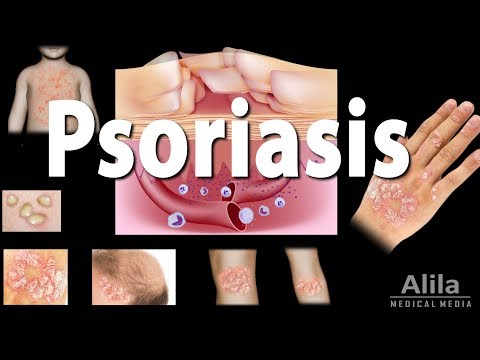
Plaq psoriasis is a chronic autoimmune condition that mainly affects the skin. It can cause red, scaly patches that itch and may be quite uncomfortable. Think of it like your immune system getting a bit confused and attacking healthy skin cells. This leads to excess skin cell production, which piles up and forms those plaques.
Why Does It Happen?
The exact cause isn’t fully understood, but genetics play a role. If someone in your family has it, you might have a higher chance of developing psoriasis too. Other factors like stress, infections, or even weather changes can trigger flare-ups.
Treatment Options
Tackling severe plaque psoriasis often requires a combination of treatments to find what works best for you. Personalization is key here; what works for one person might not work for another.
Topical Treatments
These are creams or ointments applied directly to the skin. Corticosteroids are common choices; they reduce inflammation and help lessen itching. Think of them like putting out a fire on your skin! But sometimes they lose effectiveness after prolonged use, leading to potential rebound effects.
- Vitamin D analogs: They slow down skin cell growth.
- Tazarotene: This is a topical retinoid that helps with scaling and inflammation.
- Coal tar: It’s an old-school option that can reduce scaling and redness.
Phototherapy
This involves exposing the skin to ultraviolet light under medical supervision. You can think of it as getting some controlled sunlight which helps reduce symptoms by slowing down skin cell turnover.
Sometimes people find this particularly helpful in winter months when their symptoms worsen due to lack of natural sunlight.
Systmic Medications
For moderate to severe cases, oral or injectable medications may be necessary. These target the immune system more broadly than topical treatments.
Biologics are among the newer options on this front—they work by specifically targeting parts of the immune system involved in inflammation but require regular injections or infusions.
- Methotrexate: Suppresses immune function but has potential side effects on liver health.
- Cyclosporine: Quick relief from severe flares but requires monitoring due to kidney function risks.
- TNF-alpha inhibitors: These biologics block specific proteins involved in inflammation.
Lifestyle Factors
Your day-to-day habits impact psoriasis too! Maintaining a healthy weight can lessen symptoms since obesity linked to worse outcomes in many studies.
Stress management techniques—like yoga or meditation—can also help keep flare-ups at bay by lowering stress levels, helping with both physical aspects and emotional well-being.
Keeping track of triggers like certain foods or environmental factors is valuable as well; maybe spicy foods make it worse? Just pay attention!
The Importance of Follow-Up Care
You want to stay in touch with healthcare professionals regularly—they help monitor your condition and adjust treatment plans based on what’s working (or not). Don’t hesitate if you notice things changing; being proactive always pays off!
Unraveling the Mysteries Behind a Common Skin Condition
Understanding Chronic Plaque Psoriasis
Plaque psoriasis is a common skin condition affecting millions worldwide. It’s more than just dry skin; it’s an autoimmune disorder, which means the body’s immune system mistakenly attacks its own cells. This leads to the overproduction of skin cells, resulting in thick, red patches covered with silvery scales.
The exact cause of this condition isn’t clear. Genetics plays a role; if someone in your family has it, you might be at higher risk. Environmental triggers like stress, infections, or even certain medications can also provoke flare-ups.
Symptoms to Look Out For
You know, people with plaque psoriasis often experience itching and discomfort. The patches can appear anywhere on the body but commonly show up on elbows, knees, and the scalp. Sometimes these plaques crack and bleed. It can be annoying—really disruptive to everyday life.
Treatment Options Available
So what can you do if you have plaque psoriasis? Treatment varies widely depending on severity and individual response. Over-the-counter creams containing ingredients like hydrocortisone may help mild cases. These are anti-inflammatory agents that reduce itchiness.
For more severe cases, doctors often prescribe topical treatments such as corticosteroids or vitamin D analogs like calcipotriene. These help slow down cell growth and inflammation.
- Phototherapy: Involves exposing the skin to UV light under medical supervision for controlled doses.
- Systemic treatments: These include oral medications or injections that affect the entire body—like methotrexate or biologics.
Living With Plaque Psoriasis
Coping with this condition can be tough emotionally and physically. It’s important to maintain a healthy lifestyle: manage stress through yoga or meditation; eat a balanced diet rich in fruits and vegetables; stay hydrated—a strong body supports skin health.
A supportive community helps too! Many find comfort sharing experiences with others who understand this journey—peer support groups can offer invaluable insights into managing flare-ups.
Myths Versus Reality
A common myth is that psoriasis is contagious—it’s not! You can’t catch it from someone else. Education about how it works is essential for reducing stigma around these visible symptoms as well as understanding that having this condition doesn’t define someone’s worth.
The Bottom Line
Plaque psoriasis may feel overwhelming at times but there are multiple treatment routes available—what works best will depend on your unique situation. Stay informed and don’t hesitate to discuss concerns or questions with healthcare providers who can guide you through options tailored specifically for you!
Discover the Best Treatment Options for Managing Chronic Plaque Psoriasis
Understanding Chronic Plaque Psoriasis
Plaque psoriasis is a common skin condition. It can cause dry, red patches covered with thick, silvery scales. The chronic aspect means that it often lingers for a long time, sometimes flare-ups happen after periods of calm.
What Causes It?
The exact cause isn’t fully understood. It’s believed to involve the immune system and genetics. Think of it like a malfunctioning traffic light, where signals get mixed up, leading to an overproduction of skin cells. Sometimes stress or infections can trigger episodes.
Treatment Options
There are various ways to manage this condition—no single method works for everyone. Treatment generally aims at reducing inflammation and slowing down the excessive growth of skin cells.
Topical Treatments
- Corticosteroids: These are anti-inflammatory creams or ointments used on the skin’s surface to reduce swelling and itching.
- Vitamin D analogs: These mimic vitamin D and help slow down skin cell growth, helping those pesky plaques.
- Tazarotene: This is a type of topical retinoid used to reduce scaling and inflammation.
Phototherapy
This involves exposing the skin to ultraviolet (UV) light under medical supervision. You know how sunlight can improve your mood? Well, UV light can also help with psoriasis by slowing down skin cell production!
Systemic Treatments
If topical treatments aren’t effective, systemic treatments might be considered. These are medications that affect the entire body rather than just the skin.
- Methotrexate: A medication that suppresses the immune system; it’s often used for severe cases.
- Biosimilars: These are newer medications that target specific parts of the immune system involved in psoriasis.
Lifestyle Changes
You know, managing stress is crucial too! Stress can worsen flare-ups. Engaging in relaxing activities like yoga or meditation may help maintain some balance in your life.
Nutritional Considerations
A balanced diet rich in anti-inflammatory foods might support your overall health. Foods like fruits, vegetables, whole grains and omega-3 fatty acids could be beneficial—but always check with someone who knows your medical history well!
The Bottom Line
Treating chronic plaque psoriasis isn’t one-size-fits-all; it often requires some trial and error to find what works best for you individually. A conversation with a healthcare professional is essential for tailoring a treatment approach that fits your specific needs and lifestyle choices.
You deserve comfort in your own skin! So don’t hesitate reaching out if treatment options feel overwhelming—there’s no need to go through this journey alone!
Understanding Treatment Options for Chronic Plaque Psoriasis
Chronic plaque psoriasis is a skin condition characterized by red, scaly patches that can be itchy and uncomfortable. It’s more than just a cosmetic issue; it can affect quality of life significantly. Treatment options have evolved, offering various ways to manage symptoms effectively.
First off, topical treatments are often the first line of defense. These include creams and ointments that can reduce inflammation and slow down skin cell turnover. Corticosteroids, for example, are commonly prescribed due to their anti-inflammatory properties. Think of them as a soothing balm that calms the skin.
Then we’ve got phototherapy, which involves exposing the skin to ultraviolet light under medical supervision. It’s like getting a controlled sunlight exposure, which can help slow skin cell growth and decrease inflammation.
For more severe cases, systemic treatments might be necessary. These involve medications taken orally or via injection that work throughout the body rather than just on the skin. Biological agents are an exciting development here; they target specific parts of the immune system involved in psoriasis.
- Some examples include TNF-alpha inhibitors like etanercept.
- Others may block interleukin pathways responsible for inflammation.
The key is personalization—what works for one person might not for another. It’s important to closely monitor responses to treatment and adjust accordingly with healthcare providers. Being proactive in discussions about side effects or inefficacy helps achieve better outcomes.
Mental health support also plays a vital role since dealing with chronic conditions can be tough emotionally as well as physically; supportive therapy might be part of an overall treatment plan.
This comprehensive approach emphasizes collaboration between patient and provider, balancing effectiveness against lifestyle factors like convenience and comfort. Ultimately, understanding these options empowers those affected by chronic plaque psoriasis to make informed decisions.