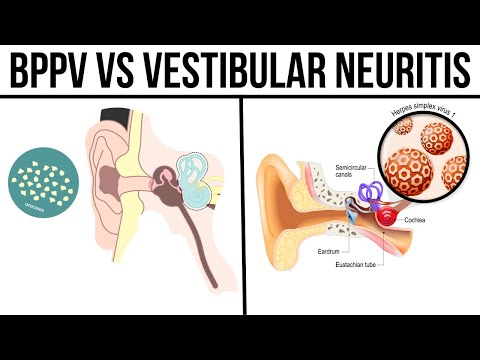
Vestibular neuritis is an intriguing condition that affects your balance and spatial orientation. Imagine trying to walk straight while being gently pushed off-balance—that’s a fraction of what people might feel when experiencing this issue. It occurs when the vestibular nerve, which helps control balance, becomes inflamed. This can lead to some uncomfortable symptoms and can significantly impact daily life.
Understanding the causes and symptoms of vestibular neuritis is essential for recognizing it early. It often feels like everything around you is spinning—a sensation known as vertigo. Other common symptoms include dizziness, balance problems, nausea, and sometimes even hearing issues. While these feelings can be distressing, most cases resolve over time.
However, it’s crucial to approach this topic with caution. Always seek a comprehensive understanding by consulting multiple healthcare providers or specialists in different fields. The internet offers various information sources, but not all are reliable or accurate. Balancing your health decisions requires informed choices based on credible advice from qualified experts. Your well-being deserves thorough attention and care!
The information provided in this article is intended solely for general informational and educational purposes. It does not constitute medical advice, diagnosis or professional treatment, and should not be considered a substitute for consultation with a qualified doctor or other licensed healthcare professional. Any health-related decisions should be made in consultation with accredited medical professionals.
While efforts have been made to ensure the information is accurate and up to date, no guarantees are given—either express or implied—regarding its accuracy, completeness, currency or suitability. Use of this information is at your own discretion.
It is strongly recommended to consult official sources such as the NHS (National Health Service) or other recognised medical institutions before acting on any information contained on this website or article. Under no circumstances should professional medical advice be ignored or delayed due to content read here.
This content is of a general and informational nature only. It is not intended to replace individualised guidance from a healthcare professional or to establish any doctor-patient relationship. The publication of this information does not imply any professional responsibility, guarantee or obligation on the part of the author or this site.
Unraveling the Mystery Behind Dizziness and Balance Issues
Dizziness and balance issues can be puzzling. One condition often linked to these symptoms is vestibular neuritis. Let’s break down what this means.
Vestibular neuritis happens when the vestibular nerve, which helps control balance, becomes inflamed. This inflammation generally stems from a viral infection.
Symptoms can be sudden and might include:
Imagine your body as a finely tuned machine. The vestibular system is like the GPS, guiding your movements in space. When it falters, navigating can become tricky.
The exact cause of vestibular neuritis isn’t always clear. It often follows viral illnesses like colds or flu. Sometimes, it may appear after conditions such as herpes simplex virus.
While it’s easy to panic during episodes of dizziness, most people recover fully over time. Rest and gradual reintroduction of activities are crucial.
It’s important to differentiate between dizziness due to vestibular neuritis and other causes like low blood pressure or ear infections.
If dizziness lasts beyond a few days, or if it’s accompanied by other concerning symptoms, seeking help is wise.
Stay informed about your health. Understanding conditions like vestibular neuritis empowers you to make better choices for yourself.
Always remember that everyone experiences dizziness at some point in life. But frequent or severe incidents warrant further investigation to pinpoint the cause accurately.
Navigating the Path to Recovery from Dizziness and Imbalance
Dizziness and imbalance can be disorienting and frustrating. For many, these symptoms stem from a condition known as vestibular neuritis. Understanding this condition is the first step to recovery.
What is Vestibular Neuritis?
Vestibular neuritis occurs when the inner ear, responsible for balance, becomes inflamed. This inflammation often follows a viral infection, like a cold or flu.
People with vestibular neuritis may experience sudden dizziness, which can feel like being on a boat in choppy waters. It’s often accompanied by nausea, but it usually does not cause hearing loss.
Common Symptoms:
The cause of vestibular neuritis is usually linked to infections. Sometimes, your immune system mistakenly attacks the vestibular nerve after fighting off a virus.
Recovery varies from person to person. Some may feel better in just a few days; others might take weeks or longer. It’s important to remember that healing takes time.
Doing exercises can help improve balance over time. Physical therapists often recommend specific movements called vestibular rehabilitation therapy (VRT). Think of it like training your brain and body to work together again.
Coping Strategies:
It’s crucial not to rush back into physical activities too soon after an episode of dizziness. Gradually increasing activity levels allows your body time to adjust.
Always consult with healthcare professionals about your symptoms and treatment options that are right for you. They might suggest additional assessments if necessary.
In summary, navigating recovery from dizziness requires patience and careful management of symptoms. Understanding the underlying causes helps you take informed steps toward feeling better while also engaging in safe practices along your path to recovery.
Unraveling the Mystery Behind Balance Issues
Balance issues can be frustrating and alarming. One common cause of balance problems is a condition called vestibular neuritis. It affects the inner ear, which plays a crucial role in maintaining balance.
When we think about how we stay upright, the inner ear acts like a GPS for our body. It tells us where we are in relation to gravity and helps coordinate movement. Vestibular neuritis occurs when the vestibular nerve, which connects the inner ear to the brain, becomes inflamed.
This inflammation can be triggered by a viral infection, often following a cold or flu-like illness. The body’s immune response sometimes mistakenly attacks this nerve, leading to problems.
Symptoms of vestibular neuritis often include:
These symptoms can occur suddenly and may last for days. It’s like being on a merry-go-round that won’t stop spinning.
Unlike some balance disorders, vestibular neuritis typically does not involve hearing loss. This makes it distinct from other conditions affecting the inner ear, like labyrinthitis.
Treatment usually focuses on helping individuals manage their symptoms rather than targeting the underlying inflammation directly. Vestibular rehabilitation therapy can help retrain the brain to adapt to changes in balance and reduce symptoms over time.
It’s important to understand that everyone may experience these symptoms differently. Some people might feel better quickly, while others may take longer to recover.
If you’re experiencing persistent balance issues or severe vertigo, seeking professional guidance is advisable. Balance disorders can have various causes and knowing what you’re dealing with is essential for proper management.
Always remember that awareness is key when it comes to health issues like this. Understanding your body’s signals will enable you to make informed decisions about your well-being.
Understanding vestibular neuritis offers crucial insights into a condition that affects balance and spatial orientation. Vestibular neuritis occurs when the vestibular nerve, which is responsible for sending signals related to balance from the inner ear to the brain, becomes inflamed. This inflammation often arises from viral infections, which can disrupt normal functioning.
The primary symptom of vestibular neuritis is intense vertigo, a spinning sensation that can be debilitating. Patients may also experience dizziness, balance difficulties, and even nausea. While these symptoms can feel alarming, it’s important to remember that they are usually self-limiting and improve over time.
Healthcare providers emphasize the significance of distinguishing vestibular neuritis from other similar conditions like Meniere’s disease or labyrinthitis. Accurate diagnosis allows for appropriate management strategies to be implemented.
Reassuring patients about the typically benign nature of vestibular neuritis can alleviate anxiety. Encouraging them to engage in balance rehabilitation exercises may also enhance recovery.
Ultimately, understanding this condition fosters better communication between patients and healthcare professionals. By demystifying symptoms and causes, we empower individuals to make informed decisions about their health and seek timely medical advice when needed.