The information provided in this article is intended solely for general informational and educational purposes. It does not constitute medical advice, diagnosis or professional treatment, and should not be considered a substitute for consultation with a qualified doctor or other licensed healthcare professional. Any health-related decisions should be made in consultation with accredited medical professionals.
While efforts have been made to ensure the information is accurate and up to date, no guarantees are given—either express or implied—regarding its accuracy, completeness, currency or suitability. Use of this information is at your own discretion.
It is strongly recommended to consult official sources such as the NHS (National Health Service) or other recognised medical institutions before acting on any information contained on this website or article. Under no circumstances should professional medical advice be ignored or delayed due to content read here.
This content is of a general and informational nature only. It is not intended to replace individualised guidance from a healthcare professional or to establish any doctor-patient relationship. The publication of this information does not imply any professional responsibility, guarantee or obligation on the part of the author or this site.
Have you ever wondered how what you eat can affect your health? It’s a big deal, especially for folks dealing with conditions like Phenylketonuria (PKU). This genetic condition impacts how our bodies break down proteins. So, it’s not just about eating to fill your stomach; it’s about fueling your body in the right way.
Managing PKU while trying to eat healthy can feel overwhelming. You might be asking yourself, “What can I actually eat?” No worries! This article will help you navigate those tricky food choices. We’ll explore the right balance of nutrients and offer guidance on what foods support your health and PKU management.
You see, understanding nutrition isn’t just about avoiding certain things. It’s also about embracing foods that make you feel good and keep your body functioning well. That matters a lot!
Remember, while this information can guide you, it’s essential to talk to a healthcare professional before making any major changes in your diet. Health decisions should never be made solely based on this article!
Essential Foods to Nourish Your Journey with PKU
Understanding PKU and Nutrition
Phenylketonuria, or PKU, is a rare genetic disorder where the body can’t break down an amino acid called phenylalanine. Amino acids are like building blocks for proteins, and while they’re essential for our bodies, too much phenylalanine can cause serious health issues, especially for those with PKU.
If you or someone you care about has PKU, managing your diet is crucial. It’s all about finding that right balance. You’ll want to focus on foods that nourish while keeping phenylalanine levels in check.
Key Foods to Include
- Low-Protein Foods: These are your best friends. Vegetables like carrots, cucumbers, and bell peppers have very low levels of phenylalanine. They can fill your plate without putting strain on your body.
- Fruits: Apples, berries, and melons are all great options. They’re not just tasty; they also come packed with vitamins and minerals.
- Specialized Low-Protein Products: Nowadays, there are pasta, bread, and even snacks specifically made for people with PKU! These products often replace regular protein sources with safe alternatives. Check labels carefully!
The Role of Protein
You still need protein in your diet—after all, it helps with growth and repairs tissues! But given the restrictions with PKU, it’s vital to choose wisely.
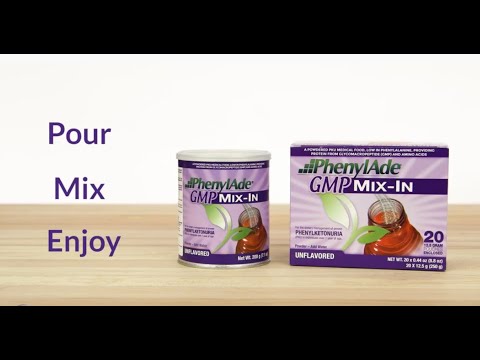
Most people get protein from meat or dairy products. But folks managing PKU may use specialized medical formulas designed to provide necessary nutrients while keeping phenylalanine low.
The Importance of Consulting Professionals
This diet can feel overwhelming at times. So it’s a good idea to work closely with a dietitian who understands these intricacies of PKU management. They’ll help personalize meal plans according to individual needs.
You might wonder about trying new foods or recipes—go ahead! Just keep track of what you’re eating to ensure you’re staying within those safe limits.
Avoiding Common Pitfalls
- Avoid High-Protein Foods: Things like meat, dairy, eggs—and even certain nuts—are typically off-limits because they contain high levels of phenylalanine.
- Paying Attention to Food Labels: Some packaged foods might surprise you—they could contain more protein than you expect! Always read nutrition labels before diving in.
- Beverages Matter Too: Some drinks can have hidden dangers too—like soft drinks or energy drinks loaded with additives that may not be compatible with your dietary needs.
Your Journey Matters
Nourishing yourself while managing PKU is totally possible! It boils down to understanding what works best for you personally. Stay informed but don’t stress too much over every little detail—it’s about balance!
If there’s something you’re unsure about or if an ingredient sparks your curiosity—research it! Knowledge is empowering on this journey towards optimal health.
Remember: it’s okay to ask questions along the way!
Essential Tips for Eating Smart with PKU
Understanding PKU
Phenylketonuria (PKU) is a rare genetic disorder that impacts how the body processes proteins. You know, in normal circumstances, our bodies break down proteins into smaller pieces called amino acids. One of these amino acids is phenylalanine. But for people with PKU, their bodies can’t handle phenylalanine efficiently.
Why Eating Smart Matters
If someone with PKU eats too much phenylalanine, it can build up in the blood and cause serious health issues over time. This is why managing your diet is crucial for anyone living with this condition.
What to Avoid
- High-protein foods: Foods like meat, fish, eggs, and dairy products are loaded with phenylalanine. So people with PKU generally need to limit or avoid these options.
- Certain grains: Some grains are higher in protein than others. For instance, wheat has more phenylalanine compared to rice or corn.
- Avoid processed foods: Many processed foods contain hidden sources of protein that might not be obvious, like snacks or bakery items.
Selecting Smart Alternatives
The trick lies in finding alternatives that allow you to enjoy your meals without risking your health. There are actually lots of low-protein options out there!
- Fruits and Vegetables: Fresh fruits and veggies are generally low in protein and packed with vitamins and minerals essential for health.
- Low-protein products: There are special low-protein breads and pasta available on the market specifically designed for people with PKU.
- Nuts and seeds: While some may contain more protein than others, small servings of certain nuts can be enjoyed sparingly.
The Role of Special Formulas
Pediatricians often recommend special medical formulas that provide necessary nutrients without excessive phenylalanine. It’s like having a safety net when dietary restrictions make getting enough nutrition a challenge.
A Balancing Act
Eating smart with PKU isn’t just about avoidance; it’s about balance too! If you’re unsure how to balance your diet properly, consider working with nutritionists who understand the condition well.
Sneaky Sources of Protein
You’d be surprised where protein can sneak into your diet! Things like sauces or even some beverages can contain hidden proteins. Always read labels carefully!
The Bigger Picture
Navigating life while managing PKU means being informed but also enjoying what you eat! Keeping things delicious yet safe is totally doable when you stay mindful of choices around you – so don’t hesitate to experiment within those boundaries!
A Community Support System
You’re definitely not alone in this journey; there are support groups where people share recipes and tips. Connecting with others who face similar challenges can be uplifting.
Your Diet is Unique
No single strategy works for everyone because each person’s needs differ based on age, lifestyle, weight, and activity levels. That’s something worth remembering as you navigate through food choices!
A Simple Guide to Managing Your Phenylketonuria Nutrition Needs
Phenylketonuria, or PKU for short, is a condition that affects how the body processes a protein called phenylalanine. This amino acid is found in many foods and, for people with PKU, it can build up to harmful levels. So, managing what you eat is super important. Let’s break it down.
Understanding Phenylalanine
Phenylalanine is present in most protein-rich foods like meat, fish, eggs, dairy products, and even some nuts and legumes. For someone with PKU, consuming these can lead to serious health problems.
Think of your body like a car engine. If you keep adding the wrong fuel—like too much phenylalanine—it can choke the engine and cause breakdowns. That’s why it’s crucial to monitor your intake.
What Can You Eat?
- Low-Protein Foods: Many fruits and vegetables are low in phenylalanine. Apples, carrots, and lettuce are great options.
- Specialty Products: There are specially formulated low-protein breads and pasta available specifically designed for people with PKU.
- Dairy Alternatives: You can find non-dairy milk substitutes that are low in protein—just check those labels!
- Sweets and Snacks: Some candies or snacks are made without phenylalanine but always read ingredients carefully.
The Role of Supplements
A lot of people with PKU might have trouble getting enough nutrients because they’re avoiding high-protein foods. This usually means taking amino acid supplements that don’t contain phenylalanine to ensure you’re not missing out on what your body needs.
You know how sometimes a recipe just doesn’t taste right without a pinch of salt? That’s kind of how your body feels if it lacks essential nutrients! It’s important to work with someone familiar with PKU so you don’t miss those essentials.
Meal Planning Tips
- Create a Base: Start by planning meals around those low-protein foods we talked about—like rice or potatoes combined with veggies.
- Diverse Choices: Keep variety in your meals to make sure you’re not bored eating the same thing over again!
- Cook at Home: Making food yourself lets you be sure about what went into each dish; it gives you control over your nutrition!
Avoiding Myths
You might hear a lot of different things about what works for managing PKU. Sometimes folks think all proteins should just be avoided altogether—that’s not quite right! Only specific kinds need monitoring while others can help fulfill nutritional needs without risk.
If you’re unsure or hearing something different from friends or on social media—remember: always bring questions back to an expert who knows about PKU management!
Your Unique Path
No two people manage their nutrition exactly the same way when they have PKU. Everyone’s preferences and reactions vary; it’s like finding the right fit when shopping for shoes—you want comfort along with style!
The best path forward involves learning more about which foods work best for your body while staying tuned into how you’re feeling daily.
Taking It Step By Step
This journey may feel daunting but taking it one meal at a time makes everything more manageable! So take deep breaths; planning ahead doesn’t have to be overwhelming—it’ll become second nature before long!
Your health matters, so invest time into understanding what works for you; it’ll pay off down the line! Remember: being proactive helps put you back in control of your plate—and that’s empowering!
Managing Phenylketonuria (PKU) through diet is all about balancing health with the restrictions imposed by this condition. PKU is a rare genetic disorder that affects how the body processes protein. It’s crucial to limit phenylalanine, an amino acid found in many protein-rich foods.
First off, individuals with PKU often follow a special low-protein diet. This means avoiding high-protein foods like meat, dairy, and certain nuts. Instead, they may consume specially formulated medical foods that provide necessary nutrients without excessive phenylalanine.
Fruits and vegetables become staple choices for those managing PKU. They’re naturally low in protein and packed with vitamins and minerals. For instance, fresh berries or leafy greens can add essential nutrients to meals without jeopardizing health.
Another key aspect is carbohydrate sources like rice and certain grains. These help provide energy while keeping phenylalanine levels in check. However, it’s important to choose options that are carefully monitored to maintain an effective balance.
Hydration plays a significant role too—water is always a go-to! Staying hydrated helps in digestion and overall metabolic function.
It’s also vital to consult healthcare professionals for personalized advice. Regular monitoring of blood phenylalanine levels helps in adjusting diets as needed. Support groups can provide valuable resources and community understanding.
Merging taste with health may seem challenging but it’s definitely doable with creativity! Trying new recipes or experimenting with flavors can make meals enjoyable while adhering to dietary restrictions.