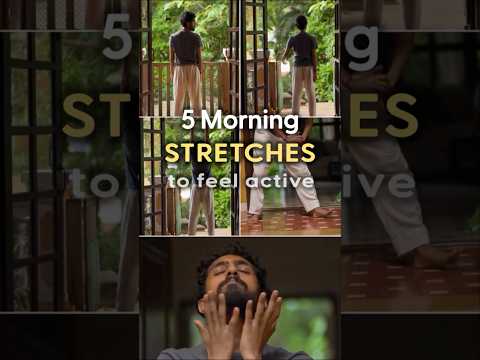
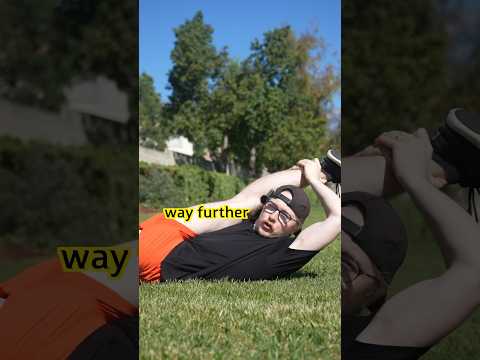
Static stretching is a vital yet often overlooked component of a well-rounded workout routine. Think of it as the calm ending to an exhilarating adventure, allowing your muscles to unwind and recover after exertion. But when is the right time to incorporate it, and how can you do it safely?
Adding static stretching can enhance flexibility, improve posture, and reduce muscle tension. It’s like giving your body a gentle hug after a tough workout. However, knowing when and how to include this practice in your routine is essential for maximum benefits.
When: The best time for static stretching is typically after your workout. When muscles are warm and relaxed, they respond better to gentle lengthening. If you stretch cold muscles before exercising, you risk injury—like trying to pull on a rubber band that hasn’t warmed up first.
How: To stretch effectively, hold each stretch for 15-30 seconds and breathe deeply throughout the process. Avoid bouncing; think of it as taking a leisurely stroll rather than sprinting.
However, proceed with caution! Always listen to your body. If something feels painful or uncomfortable, stop immediately. Remember that everyone’s body is different; what works for one person may not work for another.
Before making significant changes to your fitness routine or application of static stretching, inform yourself through various specialists and trusted media sources. Look into articles from sports medicine professionals or consult expert videos online—doing so encourages safe practices tailored specifically for you! Your health journey should be informed by well-rounded advice from multiple perspectives—ensuring that you make educated decisions about what’s best for your unique body.
The information provided in this article is intended solely for general informational and educational purposes. It does not constitute medical advice, diagnosis or professional treatment, and should not be considered a substitute for consultation with a qualified doctor or other licensed healthcare professional. Any health-related decisions should be made in consultation with accredited medical professionals.
While efforts have been made to ensure the information is accurate and up to date, no guarantees are given—either express or implied—regarding its accuracy, completeness, currency or suitability. Use of this information is at your own discretion.
It is strongly recommended to consult official sources such as the NHS (National Health Service) or other recognised medical institutions before acting on any information contained on this website or article. Under no circumstances should professional medical advice be ignored or delayed due to content read here.
This content is of a general and informational nature only. It is not intended to replace individualised guidance from a healthcare professional or to establish any doctor-patient relationship. The publication of this information does not imply any professional responsibility, guarantee or obligation on the part of the author or this site.
Unlock Your Flexibility: The Best Times to Add Static Stretching to Your Routine
Unlocking your flexibility can greatly enhance your overall fitness and well-being. One key component of improving flexibility is static stretching. This involves holding a stretch for a period of time to lengthen muscles. Knowing when to add this into your routine can make a difference.
What is static stretching?
Static stretching means you stretch a muscle or group of muscles by holding the position for a specific duration, usually 15 to 60 seconds. Imagine gently pulling a rubber band until it becomes longer and more flexible; that’s what you’re doing with your muscles.
Best times to add static stretching:
A note on stretching before exercise: Some people think they should stretch before workouts. While light dynamic stretches can be good for warming up, static stretching isn’t recommended at this stage as it can tightens muscles temporarily.
The science behind it: Research shows that regular static stretching can improve range of motion over time, helping with daily activities and other exercises too.
A few examples of effective static stretches include:
Consistency is key. Just like building muscle takes time, so does increasing flexibility through regular practice.
Remember to listen to your body during stretches—it should feel good, not painful. Stretching shouldn’t cause discomfort or strain.
Incorporating these practices wisely into your routine will help unlock new levels of flexibility over time. Enjoy this journey towards better mobility!
Unlock the Secret to Effective Stretching for Your Workout Routine
Stretching is often seen as an afterthought in many workout routines. However, adding static stretching can enhance flexibility and support recovery. Let’s explore when and how to incorporate it effectively.
Static stretching involves holding a stretch for a period of time, usually between 15 to 60 seconds. This differs from dynamic stretching, which is more about movement before activity.
When should you stretch? Timing matters when it comes to static stretching.
Now let’s talk about how to stretch effectively.
How should you stretch? Here are some important tips:
It’s important to listen to your body during these stretches. You should feel tension but no pain.
Remember that everyone has different flexibility levels. Don’t push yourself too hard or compare yourself with others. Progress takes time.
Debunking a common myth: Many believe that stretching before workouts prevents injuries. While it can be beneficial for some people, research shows that it might not always reduce injury risk.
Instead, focusing on warming up with dynamic movements may be more effective in preparing your muscles for exercise.
In conclusion, adding static stretches after workouts can contribute positively to your fitness journey. Make sure you’re engaging in them mindfully and regularly for best results!
Unlocking the Perfect Moments to Enhance Your Flexibility and Well-Being
Flexibility plays a key role in overall well-being. It can enhance your range of motion, improve posture, and reduce the risk of injury. One effective way to build flexibility is through **static stretching**.
Static stretching involves holding a muscle in a stretched position for a period of time, usually between 15 and 60 seconds. It’s best done when your muscles are warm. This means stretching post-workout or after some light aerobic activity like brisk walking.
Here are some moments to consider adding static stretching to your routine:
When you stretch, focus on major muscle groups: hamstrings, quadriceps, shoulders, and back. Hold each stretch without bouncing; this reduces the risk of injury.
It’s important to listen to your body when stretching. You should feel tension but not pain. If something doesn’t feel right, ease up or stop altogether.
Many people think they must be flexible already to start stretching. This isn’t true! Stretching helps improve flexibility over time. Start where you are and gradually increase the intensity as you feel more comfortable.
Another common myth is that static stretching before high-impact activities can prevent injuries. While it’s helpful after workouts, warming up with dynamic movements—like leg swings—is usually best before intense activities.
If you’re looking for variety in your routine, consider mixing in yoga or Pilates. Both practices emphasize flexibility along with strength and balance.
In summary, finding the right moments for static stretching can significantly enhance flexibility and contribute positively to overall well-being. It requires consistency but doesn’t have to be complicated or time-consuming!
Adding static stretching to your workout routine can enhance flexibility and promote recovery. However, timing and technique are essential to maximize its benefits.
When to Add Static Stretching:
Static stretching is best performed after your workouts. This is when your muscles are warm and more pliable, reducing the risk of injury. Stretching post-exercise helps in muscle recovery by promoting blood flow and alleviating tightness.
How to Implement:
1. **Choose Target Areas**: Focus on muscles that feel tight or those that you heavily engaged during your workout.
2. **Hold Each Stretch**: Aim for 15-30 seconds per stretch. This duration allows your muscle fibers to lengthen gradually.
3. **Breathe Deeply**: Inhale deeply while stretching, which helps relax the body and enhance the effectiveness of the stretch.
4. **Avoid Bouncing**: Static stretching should be gentle and controlled, avoiding any sudden movements that could lead to strain.
Common Myths:
Some believe static stretching before a workout prevents injuries; however, research indicates that it may temporarily reduce strength and performance if done extensively beforehand. Instead, dynamic stretches are often recommended for warming up.
Incorporating static stretching post-workout can support overall fitness goals by improving flexibility and aiding in recovery. Listening to your body’s needs will guide you in effectively integrating this practice into your routine.