The information provided in this article is intended solely for general informational and educational purposes. It does not constitute medical advice, diagnosis or professional treatment, and should not be considered a substitute for consultation with a qualified doctor or other licensed healthcare professional. Any health-related decisions should be made in consultation with accredited medical professionals.
While efforts have been made to ensure the information is accurate and up to date, no guarantees are given—either express or implied—regarding its accuracy, completeness, currency or suitability. Use of this information is at your own discretion.
It is strongly recommended to consult official sources such as the NHS (National Health Service) or other recognised medical institutions before acting on any information contained on this website or article. Under no circumstances should professional medical advice be ignored or delayed due to content read here.
This content is of a general and informational nature only. It is not intended to replace individualised guidance from a healthcare professional or to establish any doctor-patient relationship. The publication of this information does not imply any professional responsibility, guarantee or obligation on the part of the author or this site.
Hey, have you ever noticed how much energy kids seem to have? They’re like little tornadoes, whirling around and exploring everything! But with all that activity, it’s crucial to help them build healthy habits. It’s not just about making sure they eat their veggies—though that definitely helps. It’s about creating a lifestyle that promotes overall wellness.
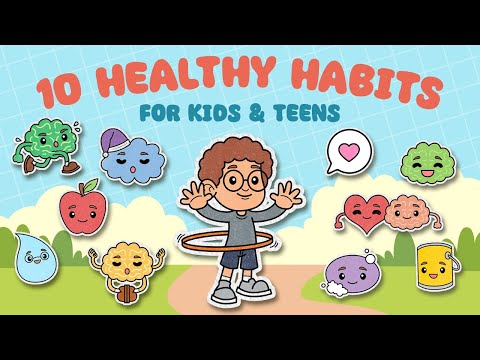
This article will highlight 10 healthy habits that can make a real difference in kids’ lives. From encouraging active play to promoting good sleep routines, these habits can help lay the foundation for a lifetime of healthy choices. You know, sometimes it feels overwhelming as a parent or caregiver, but little changes go a long way.
What we discuss here isn’t a one-size-fits-all solution. Every child is different and unique. Always remember that this content doesn’t replace medical advice. For personal health decisions, it’s important to talk with healthcare professionals who know your kid’s specific needs.
Let’s dive into these habits together and see how we can nurture healthier kids in our community!
Nurturing Lifelong Wellness in Your Little Ones
Raising healthy kids is a journey that involves many little choices every day. When you focus on instilling good habits now, you prepare them for a lifetime of wellness. Let’s dive into some simple yet effective ways to promote health and happiness in kids.
1. Encourage Active Play
Kids need to move. Think about it; when they play tag or ride bikes, they’re not just having fun—they’re also getting exercise. Aim for at least an hour of physical activity each day, whether it’s dancing in the living room or playing outside.
2. Promote Balanced Eating
You know how we hear about “eating the rainbow”? It’s true! Offering fruits and veggies in different colors can keep meals exciting. Try having your child pick a new fruit or vegetable each week to explore together.
3. Prioritize Sleep
Sleep is like magic for our bodies—it helps everyone recharge! Kids typically need more sleep than adults; make it a routine to have a consistent bedtime so they can get those essential Z’s.
4. Limit Screen Time
Screens can be super fun but also super distracting, right? Set guidelines for how long your child can use devices each day, and encourage them to engage in non-screen activities instead—reading books, doing puzzles, or crafting are great options!
5. Start Mindfulness Practices
You might think mindfulness is just for adults, but kids can benefit from it too! Simple breathing exercises or short meditation sessions teach kids how to relax and focus their minds—skills they’ll use throughout life.
6. Foster Social Connections
Having good friends matters! Encourage playdates and team activities like sports or clubs where children can build social skills while enjoying time together—because sharing laughter is huge for mental health.
7. Lead by Example
Kids learn from watching you! Model healthy behaviors, like enjoying nutritious meals and being active daily yourself; if they see you taking care of your well-being, they’re more likely to do the same later on.
8. Encourage Hydration
A lot of times we forget about water—staying hydrated is super important! Offer water regularly instead of sugary drinks, maybe jazz it up with slices of fruit or herbs like mint—it can make drinking water refreshing!
9. Create a Routine
Kids thrive on structure; having predictable routines helps them feel secure and know what’s coming next every day—in terms of meals, chores and bedtime routines persons that keeps everything flowing smoothly!
10. Make Health Fun!
No one wants wellness to feel boring! Get creative with cooking healthy meals together or turning exercise into games—it’s all about keeping things playful while learning valuable lessons along the way.
Nurturing these habits requires patience and consistency but remember that every little step counts towards building lifelong wellness in your little ones’ lives!
Simple Strategies to Boost Your Child’s Well-Being and Success at School
Supporting Your Child’s Well-Being
Hey, let’s talk about some simple strategies to help boost your child’s well-being and success at school. Kids spend a huge chunk of their lives at school. So, how can we make that experience better for them?
Nourishing Their Bodies
First up, nutrition. A balanced diet is crucial. Think of it like fueling a car; if you put in good gas, it runs better. Make sure they’re getting fruits, vegetables, whole grains, and proteins.
- Try involving kids in meal prep—it can be fun!
- Snack options like nuts or yogurt can keep energy levels steady.
Encouraging Movement
Now let’s talk about physical activity. Regular exercise isn’t just good for the body; it helps the brain too! Did you know that even short bursts of activity can increase focus?
- A daily walk or playing tag outside can make a big difference.
- Dance parties in the living room? That’s exercise too!
Prioritizing Sleep
You’ve probably heard this before, but sleep is super important for kids. They need more sleep than adults because their bodies and brains are still developing.
- Create a calming bedtime routine—like reading or relaxing music.
- A consistent bedtime helps set their internal clock.
Mental Health Matters
Mental well-being is just as vital as physical health. Encourage your child to express their feelings openly. Sometimes kids might not have the words to say what they feel.
- Ask open-ended questions during conversations to get them talking.
- Create an environment where it’s okay not to be okay sometimes.
Promoting Social Connections
Sooner or later, socializing becomes part of school life. Help your child build friendships by arranging playdates or joining group activities. It’s amazing how supportive friends can help in tough times!
Cultivating a Growth Mindset
Telling your kid that it’s okay to fail sometimes is really important! Emphasize that effort matters more than perfection. With practice and patience, they will improve over time—just like learning to ride a bike!
The Power of Routine
Straightforward routines are comforting for children and help create structure in their day-to-day lives. Whether that’s snack time after school or reading before bed, routines give kids something to rely on.
Your Role as a Parent
You play an essential part here! Showing interest in what they do at school makes them feel valued and understood. Try asking about their day: “What was something fun you did?” It encourages communication and strengthens your bond.
The journey through childhood has its ups and downs; these strategies aren’t about perfection but guiding them toward healthier habits bit by bit! Remember that every small step counts toward building happier lives for our little ones!
Simple and Fun Ways to Boost Your Child’s Well-Being
Hey there! Helping your child feel good both physically and mentally can be a fun journey. You know, kids are full of energy, so why not channel that into healthy habits? Here are some simple ideas to support their well-being.
1. Encourage Outdoor Play
Getting outside is super important. Fresh air can lift anyone’s spirits! When kids play outside, they not only move their bodies, but also get a sense of freedom. Just think about running through the grass or climbing trees. It’s an adventure!
2. Create Healthy Snacks Together
Cooking together can be a blast! Invite your child to help prepare snacks like fruit kabobs or yogurt parfaits. This way, they’re more likely to eat what they’ve created. Plus, it teaches them about healthy choices.
3. Make Reading a Habit
Reading isn’t just good for the brain; it’s also cozy and fun! Set aside reading time every day—maybe before bed? Sharing stories inspires imagination and can be a great bonding time for you both.
4. Encourage Hydration with Fun Drinks
You know how water might seem boring sometimes? Chase away that dullness by making infused waters with fruits like strawberries or slices of cucumber. It makes drinking water exciting!
5. Promote Regular Family Meals
Sitting down to eat together does wonders for family bonds and health too! Try making family meals at least a few times a week. Use this time to chat about the day—it’s like giving care while sharing delicious food.
6. Lead by Example
If you want your child to adopt healthy habits, show them how it’s done! If you’re eating vegetables or going for walks, they’re likely to mimic you. Kids learn by watching their parents; explain why these things matter.
7. Limit Screen Time
A little screen time is okay, but limits help keep balance in life! Set up certain hours when screens go off—allowing more time for games outside or crafting indoors instead!
8. Incorporate Family Exercises
This one might sound silly—but dancing in the living room counts as exercise too! Find some fun music and let loose together; it’s all about moving those bodies while having laughs!
9. Teach Mindfulness Techniques
Meditation might seem serious but there’s fun ways to teach mindfulness with kids too! Simple breathing exercises or guided nature walks where you discuss what you see around can calm busy minds.
10. Celebrate Small Wins Together
No achievement is too small! If your child tries out something new—like broccoli for dinner—celebrate it in a little way! It boosts confidence and encourages them to try new healthier foods next time.
The bottom line? Simple activities filled with love make an enormous difference in nurturing children’s well-being—and honestly, these moments bring joy and connection!
Promoting wellness in kids is crucial for their overall development. When we discuss healthy habits, it’s more than just about nutrition or exercise. It’s about creating a balanced lifestyle.
One key habit is encouraging physical activity. Kids should be active for at least an hour each day. Think of it as a way to keep their bodies and minds energized. It doesn’t have to be formal exercise—playing tag or riding bikes works too.
Another essential aspect is proper nutrition. Teaching kids the importance of fruits and vegetables can shape their future eating habits. Sometimes, making meals colorful and fun can spark interest in healthier options.
Sufficient sleep is also vital; children need 9-11 hours on average per night, depending on their age. A good routine not only supports their health but also enhances focus during the day.
Emphasizing emotional well-being cannot be overlooked. Kids should feel safe expressing their feelings. This helps build resilience and cope with stress better over time.
Moreover, fostering social connections with peers through group activities can improve cognitive skills and emotional intelligence as they navigate friendships.
Incorporating these habits progressively creates an environment conducive to growth. Introducing one habit at a time may lead to long-term changes in children’s lives, enhancing their overall well-being.