The information provided in this article is intended solely for general informational and educational purposes. It does not constitute medical advice, diagnosis or professional treatment, and should not be considered a substitute for consultation with a qualified doctor or other licensed healthcare professional. Any health-related decisions should be made in consultation with accredited medical professionals.
While efforts have been made to ensure the information is accurate and up to date, no guarantees are given—either express or implied—regarding its accuracy, completeness, currency or suitability. Use of this information is at your own discretion.
It is strongly recommended to consult official sources such as the NHS (National Health Service) or other recognised medical institutions before acting on any information contained on this website or article. Under no circumstances should professional medical advice be ignored or delayed due to content read here.
This content is of a general and informational nature only. It is not intended to replace individualised guidance from a healthcare professional or to establish any doctor-patient relationship. The publication of this information does not imply any professional responsibility, guarantee or obligation on the part of the author or this site.
Have you ever wondered just how fit you really are? It’s a common question, especially if you’re trying to improve your health. The thing is, there’s a measurement used by athletes and doctors called VO2 Max. But what does it actually mean for you?
VO2 Max is all about how efficiently your body uses oxygen during exercise. In simple terms, it’s an indicator of cardiovascular fitness. Higher VO2 Max means your heart and lungs are working well together, which can lead to better endurance in daily activities, from climbing stairs to chasing after kids.
This article will dig into VO2 Max and why it matters for your health. You’ll learn how to measure it, improve it, and see the benefits it can bring to your life. Whether you’re an exercise enthusiast or just someone looking to boost overall well-being, understanding this concept can be a game changer.
Of course, remember that this information shouldn’t replace professional medical advice. It’s always important to consult with a healthcare professional before making any big changes to your fitness routine or health decisions.
Discover Your Peak Performance Potential
Understanding VO2 Max
Hey, let’s take a moment to chat about VO2 max. You might have heard of it before, but what is it really? Simply put, VO2 max is the maximum amount of oxygen your body can utilize during intense exercise. It reflects your aerobic fitness level, which is basically how well you can perform an activity like running or cycling.
Why Does It Matter?
You know, having a good VO2 max can help you do everyday things with more ease. Think about climbing stairs or playing with your kids—it makes a difference! Higher levels generally mean better cardiovascular health and endurance.
How Is It Measured?
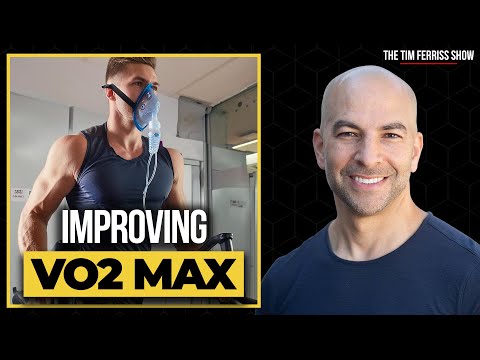
The typical way to measure VO2 max is through a treadmill test in a lab. You wear a mask that measures the oxygen you breathe in and the carbon dioxide you exhale while exercising at increasing intensities. Sounds tough, right? But don’t worry; there are also estimates based on exercise performance without extensive equipment.
What Factors Affect VO2 Max?
- Aerobic Training: Regular cardio workouts improve your VO2 max over time.
- Aging: Our bodies naturally change as we age, which may lower this number.
- Genetics: Some people are just born with a higher potential!
- Altitude: Training at higher elevations can increase efficiency due to less oxygen available.
How Can You Improve Your VO2 Max?
The good news is that there are ways to boost your VO2 max! Consistent aerobic exercises—like running, cycling, or swimming—help build endurance. High-Intensity Interval Training (HIIT) can also be effective. It’s like sprinting for a bit and then slowing down—this pushes your heart and lungs to adapt.
Mistakes to Avoid
A common misconception is that only elite athletes need to worry about their VO2 max. In truth, everyone can benefit from improving their cardiovascular fitness regardless of their fitness level! Also, remember that improving takes time; celebrate small wins along the way!
The Bottom Line
Your peak performance potential ties closely to how effectively your body uses oxygen during exertion. Monitoring and working on your VO2 max could lead to better health outcomes and improved daily function—and who wouldn’t want that?
Unlock Your Potential for Better Endurance and Performance
Understanding VO2 Max
When it comes to improving endurance and performance, you might have heard about something called VO2 max. So, what exactly is it? Well, VO2 max measures how much oxygen your body can use during intense exercise. Think of it as your body’s engine; the bigger the engine, the better you can go.
Why is VO2 Max Important?
Here’s the thing: higher VO2 max scores often mean better physical fitness. If you can use more oxygen effectively, you’re likely to have more endurance, allowing you to run longer or bike harder. But it’s not just for athletes; even everyday folks can see benefits. Improved stamina makes daily tasks like climbing stairs easier.
How is VO2 Max Measured?
Usually, testing your VO2 max involves a treadmill or stationary bike while measuring how much oxygen you’re using. It sounds scientific because it kind of is! However, there are some simpler ways to estimate it—like using heart rate monitors or fitness apps which can give you approximate values based on your exercise habits.
Improving Your VO2 Max
You might wonder if it’s possible to boost your VO2 max? The answer is yes! Regular aerobic exercises like running, cycling or swimming push your cardiovascular system. Over time, this helps increase your body’s efficiency in using oxygen.
The Role of Interval Training
Have you heard of interval training? It’s an effective method for upping that VO2 max score. Basically, it combines bursts of high-intensity exercise with periods of lower-intensity recovery. This kind of training keeps your body guessing and can lead to significant gains in endurance.
Nutrition Matters Too
You know food plays a role in performance as well? Having a balanced diet rich in carbohydrates, proteins and healthy fats fuels those workouts and recovery times. Proper hydration also can’t be ignored—it’s essential for optimal performance.
Mental Factors
Pushing physical limits isn’t just about muscles and lungs; your mindset matters too! Mental toughness often influences how hard we push ourselves during workouts. Techniques like visualization or positive self-talk can make a difference when you’re feeling fatigued.
A Final Thought
If you’re keen on enhancing your endurance and performance through understanding processes like VO2 max—you’re on the right track! Just remember that improvements take time and consistency matters more than perfection.
Discover the Key to Unlocking Your Fitness Potential
What is VO2 Max?
Let’s break it down. VO2 max is a measure of how much oxygen your body can use during exercise. Think of it like the engine of a car—how powerful it is determines how fast and far you can go. The higher your VO2 max, the better your fitness level.
Why is VO2 Max Important?
You know, understanding your VO2 max can really help you tailor your workouts. It gives you an idea of your cardiovascular endurance. This means, if you’re running or cycling, you’ll be able to see how efficiently you’re using oxygen while pushing yourself.
For instance, athletes often have higher VO2 max levels because they’ve trained their bodies to use oxygen more effectively. This doesn’t mean only elite athletes train this way; regular folks can find improvements too with the right training.
How to Measure It?
There are various ways to measure VO2 max. Some methods are pretty simple while others require specialized equipment. A common lab test involves running on a treadmill with a mask to measure oxygen intake directly.
If that sounds intense, there are also estimations based on things like heart rate during exercise or using certain formulas based on distance and time when running or cycling.
Ways To Improve Your VO2 Max
- Interval Training: Alternating between high-intensity bursts and lower-intensity recovery periods helps maximize effort in short durations.
- Aerobic Workouts: Activities like running, cycling or swimming at a steady pace build endurance over time.
- Total Volume: Increasing overall cardio volume gradually can lead to gains in fitness—you know, steady progress goes a long way!
Myths About VO2 Max
A common myth is that only elite athletes need to worry about VO2 max. That’s not true! Anyone looking to become fitter can benefit from knowing and improving their numbers.
Another myth is that you can’t change your initial levels—many people do see improvement through consistent training. It’s not just about genetics!
The Bottom Line
Your fitness potential isn’t locked away in some secret vault; it’s something you can work towards by understanding metrics like VO2 max. Regularly monitoring it while tailored workouts will definitely help guide your fitness journey.
This isn’t just for professional runners; the average person benefits as well—it’s all about finding what works for you and enjoying the process along the way!
Understanding VO2 Max for Better Health
VO2 max is a term that often pops up in fitness conversations, but what does it really mean? Simply put, it refers to the maximum amount of oxygen your body can utilize during intense exercise. Think of it as a measure of your cardiovascular fitness and endurance.
To visualize this, imagine your body is like a car. The engine’s power relates to how much air (oxygen) gets to it. Just like a car performs better with more efficient fuel intake, your body performs better with higher VO2 max levels.
A higher VO2 max indicates a stronger heart and lungs. This means your body can deliver oxygen more effectively to muscles during activity. So, the benefits are clear: improved stamina, better performance in sports, faster recovery times after workouts, and even a lower risk of chronic diseases.
You might wonder how you can improve your VO2 max. Well, regular aerobic exercise—like running, cycling or swimming—can help boost these levels over time. Interval training is especially effective; it’s like giving your system small bursts of intense work followed by recovery periods.
The thing is, while VO2 max is important for athletes aiming for peak performance, it’s also significant for everyday people. Even moderate improvements in this metric can enhance overall health and quality of life.
Lastly, don’t get too caught up in the numbers alone. Focus on enjoying physical activity and staying consistent with it. Celebrating small victories along the way will keep you motivated on this journey towards better health.