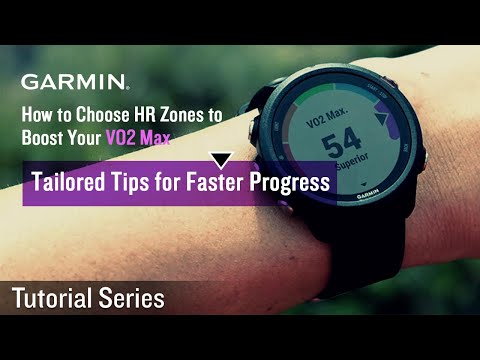
When it comes to fitness, you may have heard the term “VO2 max” tossed around. But what does it really mean? Think of VO2 max as a window into your body’s efficiency in using oxygen during exercise. Imagine your body is a car; VO2 max would be like the engine size — the larger and more powerful it is, the better your performance on a long drive or steep hill.
Understanding VO2 max can help you tailor workouts to improve your endurance and overall health. Enhanced VO2 max means better stamina, which translates to more enjoyable runs, bike rides, or any physical activity you love. But how do you find out what yours is? And how can you work to improve it? By unlocking this secret, you’re on the path to becoming not just fitter but also healthier.
However, it’s important to approach this topic with caution. Not everyone’s body responds the same way to training or tests designed for measuring VO2 max. Results can vary based on factors like age, genetics, and current fitness levels. Always consult with health professionals before making changes based on information about VO2 max. Researching from diverse sources and specialists will help ensure you’re getting accurate advice tailored to your unique situation. Each body is different; understanding yours is key! So let’s dive deeper into the world of VO2 max — safely and knowledgeably!
The information provided in this article is intended solely for general informational and educational purposes. It does not constitute medical advice, diagnosis or professional treatment, and should not be considered a substitute for consultation with a qualified doctor or other licensed healthcare professional. Any health-related decisions should be made in consultation with accredited medical professionals.
While efforts have been made to ensure the information is accurate and up to date, no guarantees are given—either express or implied—regarding its accuracy, completeness, currency or suitability. Use of this information is at your own discretion.
It is strongly recommended to consult official sources such as the NHS (National Health Service) or other recognised medical institutions before acting on any information contained on this website or article. Under no circumstances should professional medical advice be ignored or delayed due to content read here.
This content is of a general and informational nature only. It is not intended to replace individualised guidance from a healthcare professional or to establish any doctor-patient relationship. The publication of this information does not imply any professional responsibility, guarantee or obligation on the part of the author or this site.
Unlock Your Potential: Simple Strategies to Boost Your VO2 Max
Understanding VO2 Max is important for anyone interested in fitness. It’s a measure of how well your body uses oxygen during exercise. Think of it as the engine in your car; the better it runs, the smoother your ride.
Improving your VO2 Max can boost endurance and overall performance. Here are some simple strategies to consider:
Nutrition also plays a role in performance and recovery. Eat a balanced diet rich in fruits, vegetables, lean proteins, and whole grains. Think of food as fuel; quality fuels better performance.
Hydration matters too! Dehydration can hinder your workout efficiency and recovery process.
While improving VO2 Max takes time and effort, these strategies are manageable for most people. Remember that everyone’s starting point is different—a gradual approach works best.
Lastly, always listen to your body as you train—rest when needed and avoid pushing through pain.
With dedication and smart training habits, you have the potential to unlock new levels of fitness!
Unlocking the Secrets of Your Body’s Endurance Potential
Understanding your body’s endurance potential can feel like unlocking a secret code. One key part of this code is something called VO2 max.
VO2 max measures how efficiently your body uses oxygen during intense exercise. Think of it as the ultimate indicator of your aerobic fitness. The higher your VO2 max, the better you can perform in endurance activities like running or cycling.
Let’s break it down a bit more. When you exercise, your muscles need oxygen to produce energy. VO2 max tells us how much oxygen you can utilize per minute per kilogram of body weight during peak effort.
There are several factors that influence VO2 max:
You might wonder, how do I know my VO2 max? There are lab tests that give an accurate reading, but you can also estimate it through certain fitness tests or even some wearable tech.
Improving your VO2 max is possible with the right training methods. High-intensity interval training (HIIT) is one effective approach. It mixes short bursts of intense effort with rest or lower intensity exercises.
Consistency is key! Regular aerobic workouts, such as running or swimming, build endurance and can boost your VO2 max over time.
Don’t forget about proper nutrition and hydration too. Fueling your body with the right nutrients supports overall performance.
Some myths surround VO2 max that deserve attention:
Lastly, remember that improving fitness takes time and patience. It’s more about gradual progress than quick fixes. Always consider engaging with community resources or professionals to help guide you along the way.
Reflect on what motivates you and set realistic goals for yourself in this journey toward understanding and improving your endurance potential!
Unlocking Your Body’s Potential for a Healthier Future
Unlocking your body’s potential is about understanding how to improve your fitness in a smart way. One important concept in this journey is VO2 max.
VO2 max measures the maximum amount of oxygen your body can use during intense exercise. Think of it like the engine of a car; a stronger engine can perform better under pressure.
When you have a higher VO2 max, you generally have better endurance and fitness levels. This means you can run longer, bike faster, or swim more efficiently without getting tired too quickly.
Improving your VO2 max isn’t just for elite athletes. It’s for anyone wanting to boost their overall health and fitness. Here are some ways to help increase your VO2 max:
While training is key, it’s also vital to pay attention to your body’s signals. Recovery plays a big role in how well you adapt and improve.
Nutrition matters too! A balanced diet provides the fuel needed for those tough workouts and recovery times.
Many people believe that age limits improvement in VO2 max. However, while it may decline with age, staying active can significantly slow this decline.
One common myth is that only high-level athletes can significantly change their VO2 max. The truth is everyone has potential for improvement through consistent effort.
Testing VO2 max usually requires specialized equipment at clinics or gyms. But don’t worry! You can still track general improvements by monitoring how much longer or harder you can exercise over time.
Remember that fitness isn’t just about numbers; it’s also about feeling good and being able to enjoy life more fully.
As you work on unlocking your body’s potential, focus on what feels right for you. It takes patience and dedication but every small step counts toward a healthier future!
Understanding VO2 max can greatly enhance your fitness journey. It measures the maximum amount of oxygen your body can utilize during intense exercise. Think of it as the engine size in a car; a bigger engine allows for better performance, especially under stress.
Improving your VO2 max means you can exercise harder and longer without getting fatigued. This concept is essential for athletes but also matters for anyone looking to boost their overall health.
To elevate your VO2 max, incorporate high-intensity interval training (HIIT) into your routine. Just like turning up the heat on a stove makes food cook faster, pushing yourself in short bursts elevates heart rate and builds cardiovascular capacity.
However, it’s crucial to recognize that genetics play a role in these numbers. Some people naturally have higher VO2 max levels than others due to factors like body composition and heart efficiency.
Don’t fall for the myth that one-size-fits-all workouts will magically improve this metric overnight. Instead, focus on gradual progress through consistent training tailored to your own level.
Monitoring changes in VO2 max over time can be motivating and insightful. Regular assessments using wearable technology or lab tests can help you track improvements.
Ultimately, increasing your VO2 max contributes not just to better athletic performance but also to long-term health benefits, such as reduced risk of chronic diseases and enhanced quality of life.
In sum, by unlocking the secrets of VO2 max, you empower yourself with knowledge that aids informed decision-making about fitness strategies—making every workout count toward greater well-being.