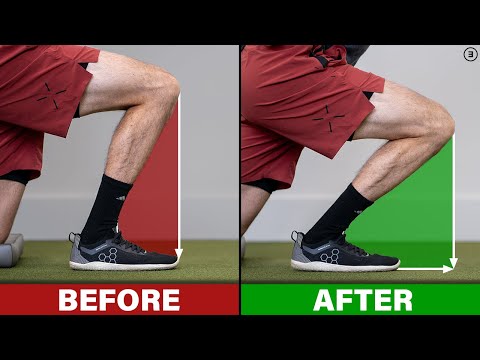
Unlocking dorsiflexion can be a game changer for anyone looking to enhance their movement, performance, and overall foot health. You might wonder, what is dorsiflexion? Simply put, it’s the action of lifting your foot upwards towards your shin. This simple motion plays a critical role in activities like walking, running, and even sitting comfortably.
Dorsiflexion is not just about the ankle; it involves a finely-tuned orchestra of muscles in your feet and lower legs. When these muscles work harmoniously, you can move fluidly and efficiently. However, many people struggle with limited dorsiflexion due to tightness or imbalances in these muscles. Unlocking this range of motion can lead to improved athletic performance and reduced risk of injury.
As you delve into unlocking dorsiflexion, remember that knowledge is power. It’s essential to approach any physical changes cautiously. Consider consulting various specialists—like physical therapists or trainers—and explore different media sources to gather comprehensive insights.
Take charge of your health journey by informing yourself properly; each body is unique. What works for one person may not work for another. So nurture curiosity while prioritizing safety in your quest for better mobility!
The information provided in this article is intended solely for general informational and educational purposes. It does not constitute medical advice, diagnosis or professional treatment, and should not be considered a substitute for consultation with a qualified doctor or other licensed healthcare professional. Any health-related decisions should be made in consultation with accredited medical professionals.
While efforts have been made to ensure the information is accurate and up to date, no guarantees are given—either express or implied—regarding its accuracy, completeness, currency or suitability. Use of this information is at your own discretion.
It is strongly recommended to consult official sources such as the NHS (National Health Service) or other recognised medical institutions before acting on any information contained on this website or article. Under no circumstances should professional medical advice be ignored or delayed due to content read here.
This content is of a general and informational nature only. It is not intended to replace individualised guidance from a healthcare professional or to establish any doctor-patient relationship. The publication of this information does not imply any professional responsibility, guarantee or obligation on the part of the author or this site.
Discover Simple Techniques to Enhance Your Ankle Mobility and Movement
Ankle mobility is vital for movement and overall health. It affects how you walk, run, and even stand. One key aspect of ankle mobility is dorsiflexion, which is the ability to flex your foot upwards towards your shin.
Dorsiflexion helps in activities like climbing stairs or squatting. When your ankles are stiff or limited in movement, it can lead to other issues in your knees, hips, or back. Think of it like a door hinge; if it gets rusty and doesn’t open fully, it can cause problems for the entire door.
Here are some simple techniques to enhance your ankle mobility:
Consistency is key! Try these exercises regularly, aiming for several times a week. Start slow and listen to your body; if something feels painful rather than stretching, stop.
Another important point is footwear! Wearing shoes that provide support plays a huge role in ankle mobility. High heels or overly tight shoes can limit movement over time.
Lastly, don’t forget about balance exercises! Standing on one leg can improve not just strength but also proprioception—the sense of where your body is in space.
Remember that everyone’s body is different. What works well for one person may not work as well for another. If you experience persistent pain or discomfort during these exercises, consider consulting someone who understands this area better.
Improving ankle mobility takes time and patience but can make daily activities much easier and more enjoyable!
Unlocking the Mechanics of Foot Movement: Key Muscles Behind Dorsiflexion
Understanding how our feet move is essential for activities like walking or running. One key movement is called dorsiflexion. This happens when you lift your toes up toward your shin.
Dorsiflexion is crucial for maintaining balance and proper gait. It helps us avoid tripping and aids in smooth transitions during movement. Let’s take a closer look at the muscles that make this happen.
The main muscle responsible for dorsiflexion is the tibialis anterior. Think of it as the leading player in a dance, guiding the toes upward. When you flex your foot, this muscle contracts and pulls on your foot bones.
Next, we have the extensor hallucis longus. This muscle helps lift your big toe specifically. Imagine trying to pick something up with just your toe; that’s where this muscle shines!
Another important player is the extensor digitorum longus. It extends and lifts all four smaller toes during dorsiflexion. Together with its companions, it ensures your foot can move efficiently.
It’s interesting to note how these muscles work in harmony with others like the peroneus tertius, which stabilizes the lateral part of the ankle during movement.
When these muscles are strong and flexible, they help prevent injuries like ankle sprains or strain in other leg muscles. Weakness or tightness can lead to limitations in mobility and discomfort while walking or exercising.
Proper warm-ups before physical activity can help keep these muscles healthy and functioning well. Simple exercises like toe raises can strengthen them effectively.
If you ever feel discomfort when lifting your toes, it might be helpful to consider stretching or strengthening routines focused on these key muscles.
In summary, understanding dorsiflexion reveals how vital our foot mechanics are for overall movement skill and stability. The tibialis anterior and its supporting crew play essential roles here, ensuring we stay active and agile!
Uncovering the Hidden Factors That Limit Your Ankle Mobility
Ankle mobility is crucial for everyday activities, from walking to climbing stairs. When we talk about ankle mobility, we often focus on a specific movement called dorsiflexion. This is when you bring your toes up toward your shins. If your dorsiflexion is restricted, it can affect your balance and overall movement.
Several factors can limit ankle mobility. Understanding these can help you work towards better flexibility and function.
Muscle Tightness: Tight muscles in the calves and the back of the leg are common culprits. These muscles can restrict how far you can flex your ankle. Regular stretching might help ease this tightness.
Joint Restrictions: The ankle joint itself can have restrictions due to various reasons like arthritis or previous injuries. This restriction might limit how freely your ankle moves.
Footwear: Shoes play a significant role in our mobility. High heels or rigid shoes can limit natural foot movement over time. Opt for shoes that allow for more freedom while still providing support.
Neuromuscular Control: Sometimes, it’s not just about tightness or joint issues. Poor coordination and control of the muscles around the ankle can hinder movement too. Exercises that focus on balance and strength may help improve this aspect.
Ankle Injuries: Past sprains or fractures often lead to chronic stiffness in the ankle area. Rehabilitation after an injury is essential to regain full motion.
To improve your dorsiflexion and overall ankle mobility, consider incorporating various stretches and exercises into your routine. Paying attention to each factor mentioned above helps create a comprehensive approach to enhancing your movement quality.
Remember, it’s always best to seek personalized guidance if you’re unsure where to start or if you have any pain during movement practices. Awareness of these hidden factors is empowering; they’re building blocks toward increased mobility!
Unlocking dorsiflexion—the ability to flex the foot upward—is a crucial aspect of mobility and overall health. The muscles and joints involved in this movement are often taken for granted until we experience limitations or pain.
In exploring the secrets of ankle and foot muscles, it’s important to recognize the role they play in our daily activities. Strong and flexible dorsiflexion is essential for walking, running, and even standing. It helps maintain balance and proper alignment.
Key factors that influence dorsiflexion include muscle tightness, joint stiffness, and neuromuscular coordination. For many people, tight calf muscles can restrict this movement. Think of it like a door that won’t fully open because something is blocking it; similarly, tight muscles can prevent your foot from moving freely.
Improving dorsiflexion involves targeted stretches and strengthening exercises. Simple practices like calf stretches or toe raises can enhance flexibility and strength over time. Additionally, attention to footwear choices plays a significant role—shoes that promote proper alignment support effective movement patterns.
Moreover, myths surrounding dorsiflexion often lead to misunderstandings about its importance. Some might think it’s only relevant for athletes, but everyone—from children learning to walk to seniors trying to maintain independence—benefits from good ankle mobility.
In summary, unlocking dorsiflexion is about understanding the intricate interplay of our body mechanics. By fostering awareness around ankle function and actively working on it through exercises and mindful choices, we can enhance our quality of life significantly. Remember that small changes add up; prioritize your foot health today for a more mobile tomorrow.