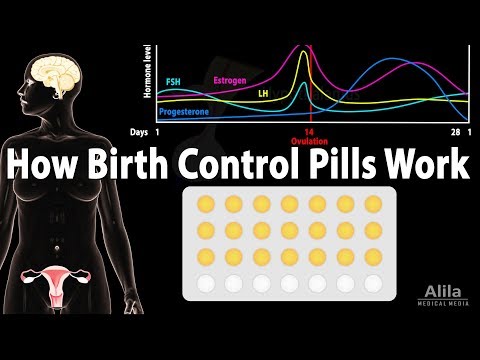
Have you ever wondered how birth control pills actually work? It’s a topic surrounded by myths and misconceptions, yet it plays a significant role in reproductive health. Imagine these little pills as tiny hormonal helpers that smartly communicate with your body to prevent pregnancy. They do this by regulating your menstrual cycle, suppressing ovulation, and thickening cervical mucus—all designed to create an environment that discourages fertilization. But there’s more to the story!
In this article, we’ll unlock the secrets behind how birth control pills operate, breaking it down into digestible bits. You’ll discover their benefits, side effects, and why they might be right—or wrong—for you.
However, it’s crucial to remember that everyone’s body is unique. What works for one person may not work for another. Always consult with healthcare professionals or trusted resources before making decisions about birth control methods. Gather information from different specialists and various media to ensure you’re well-informed and empowered in your choices!
The information provided in this article is intended solely for general informational and educational purposes. It does not constitute medical advice, diagnosis or professional treatment, and should not be considered a substitute for consultation with a qualified doctor or other licensed healthcare professional. Any health-related decisions should be made in consultation with accredited medical professionals.
While efforts have been made to ensure the information is accurate and up to date, no guarantees are given—either express or implied—regarding its accuracy, completeness, currency or suitability. Use of this information is at your own discretion.
It is strongly recommended to consult official sources such as the NHS (National Health Service) or other recognised medical institutions before acting on any information contained on this website or article. Under no circumstances should professional medical advice be ignored or delayed due to content read here.
This content is of a general and informational nature only. It is not intended to replace individualised guidance from a healthcare professional or to establish any doctor-patient relationship. The publication of this information does not imply any professional responsibility, guarantee or obligation on the part of the author or this site.
Unlocking the Science Behind Hormonal Harmony and Pregnancy Prevention
Understanding hormonal harmony can feel complex. But it’s essential for grasping how birth control pills work. These pills primarily involve two hormones: estrogen and progesterone.
How do they function? When you take the pill, it releases these hormones into your body. This has a few effects that prevent pregnancy.
First, the hormones stop ovulation. Ovulation is when an egg is released from the ovaries. If there’s no egg, there’s nothing for sperm to fertilize.
Second, birth control pills thicken the mucus in the cervix. This makes it harder for sperm to enter the uterus and meet an egg.
Third, they thin the lining of the uterus. If an egg were to be fertilized, a thick lining would help nurture it. A thinner lining makes implantation less likely.
Not all birth control methods use hormones though. Some rely on barriers or natural cycles instead. Knowing these options can help individuals choose what’s best for their needs.
Many myths surround birth control pills. For instance, some people think they cause instant infertility after stopping them—this isn’t true! Fertility usually returns quickly once someone stops taking them.
User experience varies. Some might have side effects like mood changes or nausea while others may find them effective without any issues at all.
It’s also important to note that hormonal birth control doesn’t protect against sexually transmitted infections (STIs). Using condoms in addition helps cover that aspect of sexual health.
In conclusion, understanding how hormonal contraceptives work gives individuals empowered choices about their reproductive health. It’s always smart to discuss with healthcare providers when considering options. Knowledge leads to informed decisions!
Exploring the Secrets of Fertility Control in Ancient Civilizations
Fertility control has been a crucial aspect of human society for thousands of years. Ancient civilizations explored various methods to manage reproduction, long before modern birth control pills became available.
In ancient Egypt, women used a mix of honey, acacia leaves, and dates as suppositories. They believed this concoction could prevent pregnancy. It’s fascinating how they used local resources to explore fertility control.
The Greeks had their own approaches. They often relied on herbal remedies. For instance, they used silphium, a plant believed to help with contraception. Unfortunately, it was harvested to extinction due to its popularity!
Moving eastward, in ancient China, there were records of using various methods for fertility regulation. Some texts mention using certain minerals and plants as contraceptives.
India also contributed significantly. Ayurvedic texts from centuries ago describe practices that included both abstinence and herbal preparations aimed at controlling fertility.
It’s important to note that these ancient methods varied widely in effectiveness and safety. Understanding this history helps us appreciate the journey toward the development of modern contraceptives.
Today’s birth control pills are scientifically formulated hormonal treatments that regulate ovulation and menstrual cycles. They represent advancements that past civilizations couldn’t even imagine!
Despite the progress we’ve made in understanding fertility control, it’s vital to approach these topics with an open mind and critical thinking. Many myths persist about contraception today just as they did in ancient times.
By learning about historical practices alongside modern ones, we can make informed decisions about our reproductive health and rights. Always seek accurate information based on credible sources when considering any form of birth control.
So next time you think about contraception options, remember how far we’ve come since those early days while also respecting the knowledge from our ancestors!
Exploring the Surprising Ways Birth Control Influences Desire and Connection
Birth control has been around for decades, but its impact on desire and emotional connection is still being explored. Many people think of birth control mainly as a way to prevent pregnancy, but it can affect relationships and sexual desire in surprising ways.
The most commonly used form of birth control is the pill. It contains hormones that regulate a person’s menstrual cycle. These hormones can also influence mood and libido—our natural desire for intimacy.
How does this happen? Hormones play a big role in our feelings. For example, estrogen and progesterone affect not just physical health but also emotional well-being. Some people report that hormonal contraception can decrease their desire for sex, while others may find it increases their feelings of intimacy.
Additionally, individual responses vary. What works for one person may not work for another. Factors like personal history, relationship dynamics, and even cultural context can all shape how someone experiences birth control.
Research shows that some individuals feel more relaxed about sex when they’re on birth control because they are less worried about unplanned pregnancy. This sense of freedom might enhance emotional intimacy in relationships.
However, there are myths around this topic too. It’s often said that hormonal birth control always reduces libido or makes relationships less intimate. That’s not universally true! Different studies show various results because everyone’s body reacts differently.
Key points to consider:
If you notice changes in your desire or connection while using birth control, it’s worth having an open discussion with your partner or seeking advice from someone knowledgeable about reproductive health.
The bottom line? Birth control can have surprising effects on sexual desire and emotional bonds, making awareness crucial for informed decisions about your health and relationships.
Understanding how birth control pills work is essential for making informed health choices. These pills primarily contain hormones like estrogen and progestin, which play significant roles in regulating the menstrual cycle.
First and foremost, birth control pills prevent ovulation. This means that the ovaries do not release an egg, making it impossible for sperm to fertilize anything. Think of it as a gatekeeper; without an egg available, there’s nothing for sperm to meet.
Additionally, these hormones thicken the cervical mucus. This creates a barrier that makes it more difficult for sperm to travel through the cervix and enter the uterus. It’s similar to putting up security gates at a venue; even if guests try to come in, they’re stopped at the entrance.
Another key point is that hormonal birth control can also thin the uterine lining. If an egg were to fertilize somehow, a thinner lining may not support implantation effectively, much like a weak foundation struggling to hold up a house.
While some may have concerns about side effects or long-term use, it’s crucial to discuss these with healthcare providers. Each person’s body responds differently.
Overall, understanding how these pills function empowers individuals to make better health decisions regarding reproduction and overall wellbeing. Knowledge is a tool—use it wisely!