The information provided in this article is intended solely for general informational and educational purposes. It does not constitute medical advice, diagnosis or professional treatment, and should not be considered a substitute for consultation with a qualified doctor or other licensed healthcare professional. Any health-related decisions should be made in consultation with accredited medical professionals.
While efforts have been made to ensure the information is accurate and up to date, no guarantees are given—either express or implied—regarding its accuracy, completeness, currency or suitability. Use of this information is at your own discretion.
It is strongly recommended to consult official sources such as the NHS (National Health Service) or other recognised medical institutions before acting on any information contained on this website or article. Under no circumstances should professional medical advice be ignored or delayed due to content read here.
This content is of a general and informational nature only. It is not intended to replace individualised guidance from a healthcare professional or to establish any doctor-patient relationship. The publication of this information does not imply any professional responsibility, guarantee or obligation on the part of the author or this site.
Ever wondered how a tiny gland at the base of your brain could impact your daily life? It might sound surprising, but the posterior pituitary plays a big role in our health. This small structure helps regulate key functions like thirst, stress response, and even blood pressure. Isn’t it fascinating how something so small can have such a huge effect?
Many people don’t realize that hormones secreted by the posterior pituitary can influence everything from hydration to emotional well-being. This can lead to confusion when things don’t feel quite right in our bodies. You might be saying, “What do I need to know about this gland?” Well, that’s exactly what we’re exploring together in this article.
We’ll dive into how the posterior pituitary works and why it matters for your overall health. Understanding these processes can empower you to make better choices and feel more in tune with your body.
Remember, though: this information is meant to inform you, not replace professional medical advice. Health decisions should always involve consultation with a healthcare provider who knows you best!
Unlocking the Secrets of Hormones That Keep Your Body in Balance
Understanding the Role of the Posterior Pituitary in Health
Hey, hormones are kind of like little messengers in our body. They carry important info that helps keep everything in balance. One key player in hormone regulation is the posterior pituitary gland. You may not have heard much about it, but it plays a big role in health.
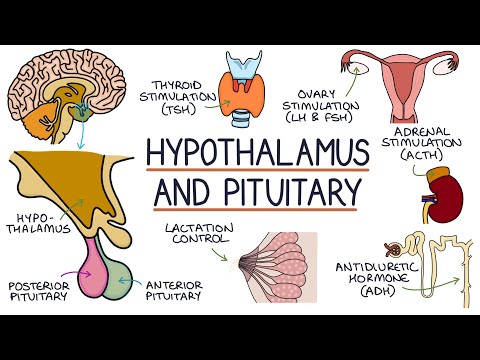
The posterior pituitary is a small part of the brain. It sits right below the hypothalamus, which is another major hormone control center. Together, they work like a teamwork duo to manage several important functions.
What Does the Posterior Pituitary Do?
Now, here’s where it gets interesting. The posterior pituitary mainly releases two hormones: vasopressin and oxytocin. So, what do these hormones actually do? Let’s break it down.
- Vasopressin: Also called antidiuretic hormone (ADH), this one helps control how much water your kidneys absorb. Think of it as your body’s way of keeping hydrated!
- Oxytocin: Often known as the ‘love hormone’, oxytocin plays a role in social bonding and emotional connection. It’s also crucial during childbirth and breastfeeding.
You know how when you laugh or hug someone you care about, you feel all warm inside? That’s oxytocin at work! It’s fascinating how one tiny gland can impact such huge feelings and functions.
Why Is It Important for Your Health?
The balance created by these hormones is vital for overall wellbeing. If vasopressin levels drop too low, you might experience increased thirst or urination—a condition called diabetes insipidus. Not fun, right?
On the flip side, too much vasopressin can lead to water retention and high blood pressure—definitely something to keep an eye on!
The Link Between Oxytocin and Wellbeing
Oxytocin isn’t just about hugs; it’s linked to stress reduction and trust. Some studies suggest that higher levels can promote feelings of happiness and decrease anxiety levels.
If you’ve ever felt relaxed after spending quality time with loved ones or cuddling your pet—there’s oxytocin doing its thing!
Coping With Imbalances
If you’re experiencing issues that might be related to these hormones—like mood swings or trouble concentrating—it could be worth checking in with a healthcare provider out there.
Certain lifestyle choices can help maintain hormone balance too! Eating well, staying active, getting enough sleep; it’s all connected like a web.
Myths Worth Busting
- The idea that “more oxytocin means more love” is misleading. While it contributes positively to relationships; love involves many other factors.
- A common myth is that water retention from ADH means you’re unhealthy or overweight—this isn’t necessarily true!
This tiny gland may seem small but remember: its impact on our body is huge! Its role goes beyond just producing hormones; it’s essential for maintaining harmony within us.
Unlocking the Secrets of Body Regulation and Growth
Understanding the Role of the Posterior Pituitary in Health
The posterior pituitary may not be the first thing that comes to mind when we think about health, but it plays a significant role in our body. It’s a small gland located at the base of the brain and is part of the endocrine system. This system regulates hormones, which are like tiny messengers in our body.
So, what exactly does the posterior pituitary do? Well, it stores and releases two important hormones: oxytocin and vasopressin. These hormones have very different but crucial functions in our body.
Oxytocin: The Bonding Hormone
First up is oxytocin. Think of it as the “bonding hormone.” It’s released during childbirth, helping with contractions. After birth, it promotes bonding between mother and child through breastfeeding. Beyond that, oxytocin plays a role in social interactions; ever felt that warm fuzzy feeling when hugging someone? That’s partly oxytocin at work.
- It can enhance trust among people.
- Promotes feelings of love and attachment.
- May help reduce stress levels too.
Vasopressin: The Water Regulator
Now let’s talk about vasopressin. This hormone helps control water balance in your body. Imagine your kidneys are like sponge filters; they absorb water to keep you hydrated or release it based on your needs. Vasopressin signals them to retain water when you’re dehydrated or sweating a lot.
- If you’re dehydrated, vasopressin increases water reabsorption.
- This hormone also plays a role in regulating blood pressure.
The Importance of Balance
The balance between these hormones is crucial for overall health. If there’s too little vasopressin, you might end up urinating too much and getting dehydrated—this condition is known as diabetes insipidus. On the other hand, an excess can lead to water retention and swelling.
You know how sometimes people mention they feel off but can’t pinpoint why? Hormonal imbalances might be contributing factors! Feeling anxious or having social difficulties could link back to oxytocin levels as well.
Coping with Imbalances
If someone suspects an issue with their posterior pituitary function or related hormonal levels, speaking with healthcare providers is key for guidance. They can offer tests to assess hormone levels and discuss symptoms openly without any judgment—always important for peace of mind!
A Simple Analogy
Think about a music band: all musicians need to play their parts correctly for harmony—a piano out of tune can ruin an entire show! Similarly, if one hormone isn’t functioning properly due to issues with the posterior pituitary, it can affect many areas of health and wellbeing.
So keeping things balanced is essential!
The takeaway here is to appreciate just how interconnected everything in our bodies really is—each part has its role—and sometimes everything needs fine-tuning! Staying aware of bodily changes can help you advocate for your own health effectively.
Unlocking the Secrets of Your Body’s Hormone Highway
Understanding the Posterior Pituitary
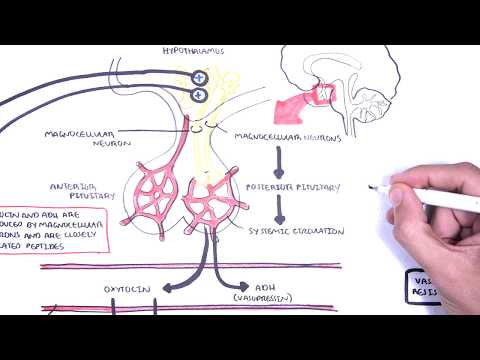
The posterior pituitary gland is a small but mighty part of your endocrine system. It’s located at the base of your brain and works closely with the hypothalamus. Think of it as a control center that releases important hormones into your bloodstream.
What Hormones Are Released?
The two main hormones released by the posterior pituitary are oxytocin and vasopressin (also known as antidiuretic hormone or ADH). These hormones play huge roles in various body functions.
- Oxytocin: Often called the “love hormone,” it’s involved in childbirth and lactation. It helps with contractions during labor and supports milk ejection while breastfeeding.
- Vasopressin: This hormone helps regulate water balance in your body. It signals your kidneys to absorb water, preventing dehydration.
The Role of Oxytocin
When people think of oxytocin, they often picture emotional bonding. You know, like when a mother holds her newborn for the first time? That’s oxytocin at work! It also plays roles in social interactions, trust, and even sexual arousal.
The Importance of Vasopressin
If you’ve ever experienced dehydration, you can appreciate vasopressin’s function. When you’re low on water, this hormone kicks in to help retain fluids. If not properly regulated, it can lead to issues like diabetes insipidus—a condition that causes excessive thirst and urination.
A Balancing Act
Your body constantly seeks balance or homeostasis. Too much or too little of these hormones can cause significant health problems. For instance, high levels of vasopressin could lead to fluid overload—it’s like watering a plant too much!
How Stress Affects These Hormones
Stress has a big impact on hormone levels. It tends to increase cortisol (the stress hormone) which can indirectly affect how well oxytocin and vasopressin function. When you’re stressed out, that bonding feeling may be hard to achieve—ever notice how stress impacts relationships?
Pituitary Health Matters
Maintaining good health is essential for optimal hormonal function. Factors like diet, exercise, sleep quality, and mental well-being all play pivotal roles here.
- Diet: A balanced diet supports overall endocrine health.
- Sufficient Sleep: Rest helps regulate many hormonal processes.
- Mental Health: Managing stress through mindfulness can positively influence these hormones.
A Word on Hormonal Myths
You might hear claims about balancing hormones through various fad diets or supplements—but be cautious! Hormonal regulation is complex and not easily influenced by quick fixes or trendy solutions.
The bottom line? The posterior pituitary is crucial for regulating important bodily functions via key hormones like oxytocin and vasopressin. Keeping these hormones in check—and understanding their roles—is vital for overall health! So pay attention to what your body tells you—it’s got its own way of communicating!
Understanding the Role of the Posterior Pituitary in Health
The posterior pituitary is a small gland at the base of the brain, but its impact on our health is significant. It acts as a storage site for hormones produced by the hypothalamus. These hormones, mainly oxytocin and vasopressin, play crucial roles in various bodily functions.
Oxytocin is often referred to as the “love hormone.” It’s involved in childbirth and lactation, helping with contractions during labor and supporting milk ejection during breastfeeding. But it goes beyond that—it fosters social bonding and emotional connections. Imagine giving someone a hug; that warm feeling is partly due to this hormone.
Then there’s vasopressin, which helps regulate water balance in the body. When we get dehydrated, this hormone signals our kidneys to retain water. This process prevents us from losing too much fluid and helps maintain blood pressure. Without proper levels of vasopressin, we’d face issues like frequent urination or even conditions like diabetes insipidus.
The interplay between these hormones showcases how interconnected our body systems are. Health practitioners often monitor these hormone levels when patients exhibit symptoms related to hydration or emotional well-being. It’s fascinating how something so small can have such wide-ranging effects on health.
In conclusion, understanding the posterior pituitary’s role emphasizes the importance of hormonal balance in maintaining good health. This knowledge encourages us to appreciate how our bodies communicate internally through various mechanisms—complex yet beautifully coordinated.