
The information provided in this article is intended solely for general informational and educational purposes. It does not constitute medical advice, diagnosis or professional treatment, and should not be considered a substitute for consultation with a qualified doctor or other licensed healthcare professional. Any health-related decisions should be made in consultation with accredited medical professionals.
While efforts have been made to ensure the information is accurate and up to date, no guarantees are given—either express or implied—regarding its accuracy, completeness, currency or suitability. Use of this information is at your own discretion.
It is strongly recommended to consult official sources such as the NHS (National Health Service) or other recognised medical institutions before acting on any information contained on this website or article. Under no circumstances should professional medical advice be ignored or delayed due to content read here.
This content is of a general and informational nature only. It is not intended to replace individualised guidance from a healthcare professional or to establish any doctor-patient relationship. The publication of this information does not imply any professional responsibility, guarantee or obligation on the part of the author or this site.
Ever thought about how just a tiny gland in your brain can have such a huge impact on your life? It’s called the anterior pituitary, and it’s often dubbed the “master gland” for a reason. This small pea-sized structure helps control growth, metabolism, and even mood. It’s fascinating, isn’t it?
You see, the anterior pituitary produces and releases hormones that are essential for so many bodily functions. When things go awry with this gland, it can lead to various issues that might affect your day-to-day life. From irregular periods to changes in energy levels, these disorders can be puzzling and concerning.
This article will break down what the anterior pituitary does, its key hormones, and some common disorders associated with it. Understanding how this little powerhouse works can empower you to recognize when something feels off.
Of course, remember: while I hope you find this information helpful and informative, it doesn’t replace medical advice. Always consult a healthcare professional for any health decisions you might need to make.
Exploring the Vital Roles of Hormones Secreted by the Anterior Pituitary
Understanding the Anterior Pituitary
Okay, let’s talk about the anterior pituitary. It’s a small gland at the base of your brain and plays a huge role in regulating various body functions. Think of it as a manager that oversees other glands and organs, sending out hormones to make sure everything runs smoothly.
Main Hormones of the Anterior Pituitary
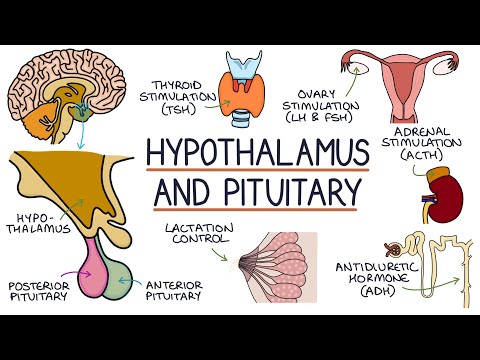
The anterior pituitary produces several key hormones. Each has unique tasks, like helping with growth, metabolism, and reproduction.
- Growth Hormone (GH): This hormone is vital for growth in children but also affects how adults maintain muscle and bone mass. Imagine it as a builder that helps repair tissues.
- Prolactin: Mostly known for its role in milk production during breastfeeding, prolactin also influences other functions like metabolism and immune regulation.
- Luteinizing Hormone (LH) & Follicle-Stimulating Hormone (FSH): These two hormones are key players in sexual development and reproductive health. They’re like conductors of an orchestra, coordinating the reproductive system’s cycles.
- Adrenocorticotropic Hormone (ACTH): This one stimulates the adrenal glands to produce cortisol—a hormone crucial for stress response. Think of it as an alarm clock that wakes up your body when you need to respond to stress.
- Thyroid-Stimulating Hormone (TSH): TSH prompts the thyroid gland to produce hormones that regulate metabolism. It helps determine how fast or slow our body’s engine runs.
The Importance of Balance
You know how sometimes things can get out of whack? That can happen with these hormones too! When there’s too much or too little being produced, it can lead to disorders.
- A growth hormone deficiency: This can lead to stunted growth in kids or decreased muscle mass in adults—basically slowing down development.
- Cushing’s disease: Resulting from excess ACTH, this causes overproduction of cortisol leading to weight gain and high blood pressure among other symptoms—kind of like always being on edge!
- A prolactinoma:This is a non-cancerous tumor that produces excess prolactin leading to issues with menstrual cycles or infertility for women; men might notice lower libido or erectile dysfunction.
Disease Detection & Diagnosis
If someone suspects an issue related to their anterior pituitary hormones, healthcare providers often conduct blood tests looking at hormone levels. Imaging tests like MRIs may also be used if tumors are suspected—those little gumdrops found in some cases!
Treatment varies based on what is going wrong. Sometimes medicines help balance hormone levels while other times surgery might be necessary if there’s a tumor affecting production.
The Big Picture
The anterior pituitary acts as a core player in maintaining overall health through hormonal balance. Understanding these roles and potential disorders helps shed light on our body’s intricate workings!
If anything feels off or you’re curious about these functions—the best route is always talking things over with someone knowledgeable about health matters!
Uncovering the Signs Your Body May Be Sending You
Understanding the Anterior Pituitary
The anterior pituitary is a small gland located at the base of your brain. Think of it as a master controller for other glands in your body. It releases hormones that affect growth, metabolism, and stress response. It’s kinda like a conductor leading an orchestra—each hormone plays its unique part.
Key Functions of the Anterior Pituitary
This gland produces several important hormones:
- Growth Hormone (GH): Promotes growth in children and helps maintain tissues and organs.
- Prolactin: Stimulates milk production after childbirth.
- Thyroid-Stimulating Hormone (TSH): Regulates thyroid function, which controls metabolism.
- Adrenocorticotropic Hormone (ACTH): Stimulates the adrenal glands to produce cortisol, especially in response to stress.
You see, these hormones really play key roles! If something goes awry here, signs can show up throughout your body.
Signs and Symptoms of Disorders
If your anterior pituitary isn’t functioning properly, you might experience various symptoms. For example:
- If there’s too much Growth Hormone, it may lead to acromegaly—where hands and feet grow larger.
- A lack of Prolactin can cause problems with breastfeeding or even reduce libido.
- If TSH levels are off, you could experience fatigue or unexplained weight changes – maybe you’re always tired but sleeping enough?
It’s interesting how interconnected everything is! One tiny gland can impact so much in our lives. You might not realize it until things get outta balance.
Diving Deeper: What Causes These Disorders?
The reasons for these disorders vary widely. They could stem from tumors on the pituitary gland or even autoimmune issues where your own body attacks itself. Imagine if something interfered with that conductor in an orchestra—chaos would ensue!
Pituitary Tumors: A Common Concern
You might have heard about pituitary tumors. Don’t worry; they are often noncancerous and can be quite small. However, they can still mess with hormone production. This might lead to headaches or vision problems if they press against nearby nerves.
Your Body’s Signals Matter
If you’re noticing unusual changes like unexplained mood swings, fatigue, or changes in weight, it’s worth paying attention to what your body is saying. You know? Sometimes we dismiss these signs because life gets busy—but they could hint at issues that need addressing.
The Importance of Listening to Yourself
Kinda sounds cliché but listening to yourself is key! Keeping track of any ongoing symptoms or changes isn’t just helpful; it’s essential when talking with healthcare providers later on. Even small things matter when piecing together a bigger picture!
A Final Thought on Awareness
Caring for our health includes being aware of how we feel every day—even if it feels overwhelming at times! If you suspect something’s off with your hormonal balance related to the anterior pituitary or anything else, reach out for help!
Exploring the Hidden Challenges of Hormonal Imbalances
Understanding Hormonal Imbalances and the Anterior Pituitary
Hormonal imbalances can be tricky. They’re like a symphony where some instruments are playing too loud, and others are almost silent. One key player in this orchestra is the anterior pituitary gland.
What Does the Anterior Pituitary Do?
The anterior pituitary is a small gland at the base of your brain. It’s about the size of a pea, but it’s powerful! This gland produces hormones that control various functions in your body, like growth, metabolism, and reproduction.
- Growth Hormone (GH): Stimulates growth in children and helps maintain tissues and organs throughout life.
- Luteinizing Hormone (LH) and Follicle-Stimulating Hormone (FSH): These two work together to regulate the menstrual cycle and sperm production.
- Adrenocorticotropic Hormone (ACTH): Influences cortisol production from the adrenal glands, which helps manage stress.
- Thyroid-Stimulating Hormone (TSH): Controls thyroid function, affecting metabolism.
The Impact of Imbalances
If this little gland doesn’t function properly, it can lead to hormonal imbalances with real-life consequences. For instance, too much growth hormone can cause gigantism or acromegaly in adults. Too little can stunt growth in children.
You might find yourself feeling fatigued or having mood swings if there’s an imbalance with ACTH or thyroid hormones. Maybe you’ve noticed changes in your weight that’s difficult to explain? It could be tied back to hormonal issues stemming from the anterior pituitary.
Common Disorders Related to Anterior Pituitary Dysfunction
Cushing’s disease is one disorder linked to overproduction of ACTH. In contrast, hypopituitarism involves underproduction of one or more hormones from the pituitary—resulting in various problems like infertility or adrenal insufficiency.
- Adenomas: These are benign tumors on the pituitary that can cause excess hormone production.
- Pituitary apoplexy: A sudden loss of blood flow that results in severe headaches and vision problems.
Pitfalls of Diagnosis
The diagnosis process for hormonal imbalances isn’t always straightforward. Symptoms may appear vague—fatigue, weight gain or loss—so doctors often go through detailed blood tests to evaluate hormone levels. It’s a bit like solving a puzzle!
The Road Ahead: Management Options
If you suspect an imbalance linked to your anterior pituitary, it’s important to talk about this with someone who can guide you through it—like an endocrinologist. Treatments vary based on whether there’s an excess or deficiency; options may include medication, lifestyle changes, or even surgery for tumors.
Taking care of yourself is key! Regular check-ups help catch imbalances early. Keeping track of symptoms also allows for better discussions during appointments—be it fatigue while climbing stairs or unexpected weight changes after diet adjustments.
A Final Note on Awareness
Sometimes we don’t connect how we’re feeling with hormonal health right away—that’s okay! Increasing our understanding about hormones transforms us into better advocates for ourselves when navigating medical advice and support systems around us!
Understanding Anterior Pituitary: Key Functions and Disorders
The anterior pituitary is a small gland located at the base of the brain, but it plays a massive role in our overall health. It’s often referred to as the “master gland” because it regulates several critical hormones that control various bodily functions.
One of its primary jobs is to secrete hormones like growth hormone (GH), prolactin, and adrenocorticotropic hormone (ACTH). These hormones are involved in growth, metabolism, and stress responses. For example, GH stimulates growth in children and helps maintain muscle mass in adults.
Disorders of the anterior pituitary can impact multiple systems in the body. For instance, an overproduction of GH leads to acromegaly in adults—a condition characterized by enlarged limbs and facial features. On the other hand, insufficient hormone production can cause conditions like pituitary dwarfism or adrenal insufficiency.
It’s essential to recognize symptoms related to these disorders early on. This includes fatigue, unexpected weight gain or loss, or even changes in mood. Diagnosing issues with the anterior pituitary typically involves blood tests to check hormone levels and imaging studies like MRI scans.
In managing these disorders, treatment options vary widely—from medication that regulates hormone levels to surgical interventions that might be necessary for tumors affecting the gland.
Ultimately, understanding how the anterior pituitary functions highlights its importance in maintaining hormonal balance and overall health. If you notice unusual symptoms related to growth or energy levels, it’s worth discussing with a healthcare provider.


