The information provided in this article is intended solely for general informational and educational purposes. It does not constitute medical advice, diagnosis or professional treatment, and should not be considered a substitute for consultation with a qualified doctor or other licensed healthcare professional. Any health-related decisions should be made in consultation with accredited medical professionals.
While efforts have been made to ensure the information is accurate and up to date, no guarantees are given—either express or implied—regarding its accuracy, completeness, currency or suitability. Use of this information is at your own discretion.
It is strongly recommended to consult official sources such as the NHS (National Health Service) or other recognised medical institutions before acting on any information contained on this website or article. Under no circumstances should professional medical advice be ignored or delayed due to content read here.
This content is of a general and informational nature only. It is not intended to replace individualised guidance from a healthcare professional or to establish any doctor-patient relationship. The publication of this information does not imply any professional responsibility, guarantee or obligation on the part of the author or this site.
Introduction
Ever tried walking or running and felt that nagging pain on the front of your lower leg? You’re not alone. That’s often caused by weakness in the anterior tibialis muscle. This little muscle plays a big role in how we move—especially when it comes to lifting our toes and stabilizing our ankles.
Strengthening the anterior tibialis can improve your balance, enhance athletic performance, and even help prevent injuries. Sounds good, right? Whether you’re an athlete, a weekend warrior, or just someone who enjoys walking, this muscle deserves your attention.
In this article, I’ll introduce you to eight key exercises and stretches designed to target the anterior tibialis directly. You’ll find simple movements that can easily fit into your routine. Trust me; these exercises are approachable for everyone. Just remember though, it’s always essential to consult a healthcare professional if you have any concerns about starting new exercises or if you’re dealing with pain.
So let’s dive in and strengthen that muscle together!
Unlock Your Strength: Effective Tibialis Anterior Exercises for Everyday Mobility
Understanding the Tibialis Anterior
The tibialis anterior is a muscle located at the front of your lower leg. Its main job? Helping you lift your foot and pointing your toes upward. Think of it like a doorstop—if it’s weak, the door (or your foot) doesn’t function properly!
Why Strengthening Matters
Strong tibialis anterior muscles can improve your balance and stability. They play a key role in walking, running, and even standing still. If you’ve ever felt any discomfort while moving, it might be related to weakness in this area.
Effective Exercises for Everyday Mobility
You don’t need fancy equipment to strengthen this muscle. Here are some accessible exercises:
- Toe Raises: Stand flat on the ground, then lift just your toes while keeping your heels down. Hold for a few seconds before lowering.
- Ankle Dorsiflexion: While sitting, extend one leg out and pull your toes towards you using resistance bands or just against gravity.
- Heel Walking: Walk on your heels for about ten steps at a time. This really engages that muscle!
- Sitting Toe Taps: Sit in a chair and tap your toes up and down without lifting your heels off the ground.
Add Stretching for Balance
Dedicating time to stretch is important too! Stretching can help maintain flexibility and reduce tightness in the muscle group around it.
- Calf Stretch: Stand facing a wall; place one foot back with heel flat while bending the front knee until you feel a stretch.
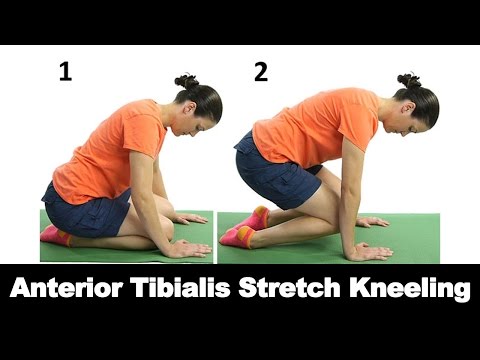
- Tibialis Stretch: Sit on the floor with legs extended; gently pull back on the toes of one foot while keeping it straight.
A Little Goes A Long Way
You might wonder how often should you do these? Honestly, even just ten minutes each day can make a difference over time. It’s all about consistency rather than intensity.
Your Body Knows Best
If something feels wrong or painful when you’re exercising, it’s okay to stop! Listen to what your body tells you; everyone has different limits. You want strength without strain!
Busting Some Myths
A common misconception is that only athletes need to focus on strengthening their tibialis anterior muscle. In truth, anyone who walks could benefit from tuning into it! Feeling good when moving shouldn’t be reserved for active folks alone.
Merging Strength with Mobility
The goal isn’t merely strength; it’s about enhancing everyday mobility too. Well-prepared muscles support daily activities— from climbing stairs to dancing at parties! Making them robust gives you more freedom in life.
No matter where you’re starting from, small steps count! Always consider incorporating these exercises into routines gradually so they become part of your normal movement habits.
Strengthen Your Legs and Boost Mobility with Simple At-Home Routines
Understanding the Anterior Tibialis
Alright, let’s start with the basics. The anterior tibialis is a muscle located in your lower leg, running along the front. It helps you lift your foot upwards and plays a key role in walking and running. If you’ve ever tripped while walking, it’s likely because your anterior tibialis wasn’t doing its job well.
Why Strengthening Matters
Strengthening this muscle can help prevent injuries and improve your overall mobility. Think of it like maintaining a car: regular upkeep can keep everything running smoothly. Without strong legs, daily activities can become challenging over time.
Easy At-Home Exercises
You don’t need fancy gym equipment to strengthen this muscle. Here are some simple exercises you can do right at home.
- Toe Raises: Stand flat and slowly lift your toes off the ground while keeping your heels planted. Hold for a few seconds, then lower back down.
- Heel Walks: Walk on your heels for about 30 seconds to engage the anterior tibialis fully.
- Sitting Toe Flexion: Sit on a chair with feet flat on the floor. Lift just your toes up while keeping heels down. Repeat several times.
- Ankle Dorsiflexion with Resistance: Use a resistance band looped around your foot and pull towards you while sitting or lying down, engaging that muscle!
- Lateral Leg Raises: Lie on one side, raise the top leg straight up and hold for 2-3 seconds before lowering it back down.
Add in Some Stretches
You also should stretch these muscles to maintain flexibility! Stretching helps counterbalance all that strengthening you’ve been doing.
- Calf Stretch: Stand facing a wall; place one foot behind the other, keeping both heels on the ground as you lean forward gently until you feel a stretch in the calf of the back leg.
- Ankle Circles: While sitting or standing, lift one foot slightly off the ground and move it in circular motions both clockwise and counterclockwise.
Your Body is Unique
The thing is, everyone’s body is different. So some exercises may feel great for you while others might need adjusting or skipping altogether! Listen to what your body tells you.
If something feels off or painful (not just challenging), it’s best to stop.
A Regular Routine Helps
Aim for consistency rather than intensity. Just like learning an instrument takes practice, building strength in this muscle requires repetition over time.
The Big Picture
This isn’t just about working out—it’s about enhancing everyday life! Strong legs contribute to better balance when walking up stairs or even playing catch with friends without feeling worn out instantly!
Your Path Forward
If you’re looking to boost mobility and strength in those legs from home, incorporating these simple exercises can make a difference over time. Be patient; progress might not appear overnight but small steps lead toward big changes!
No rush here—make sure to enjoy the journey of staying active!
Strengthen Your Shins: Effective Weighted Exercises for Tibialis Anterior Development
Understanding the Tibialis Anterior
The tibialis anterior is a muscle located in the front of your lower leg. It plays a key role in moving your foot, especially when lifting your toes. Think about how you lift your foot when walking; that’s largely thanks to this muscle.
Having a strong tibialis anterior can help with balance and stability. Plus, it can also help prevent injuries, especially if you’re active in running or other sports.
Why Focus on Weighted Exercises?
You may wonder why weighted exercises are important for this muscle. Adding weight helps to challenge your muscles more, promoting growth and strength. Just like lifting weights for your arms makes them stronger, it works the same way for your shins.
When you strengthen this area, it’s like building a solid foundation in a house. A strong base means better overall performance.
Effective Weighted Exercises
- Dorsiflexion with Weights: Sit on a bench with weights tied to your feet or hold them using ankle straps. While seated, point your toes up towards you and then back down.
- Seated Toe Raises: With weights held at knee height or attached to ankles, raise up onto your toes while seated. Lower slowly to really engage that muscle.
- Soleus Raises: Stand straight with weights in hand and rise onto the balls of your feet while keeping your knees slightly bent.
- Banded Dorsiflexion: Use resistance bands around the foot while sitting. Pull the foot back toward you against the resistance—this gives great feedback!
The Importance of Stretches
You might think stretches are just about flexibility, but they’re equally crucial for strengthening exercises too! Stretching prepares muscles before workouts and aids recovery afterward.
- Ankle Circles: Lift one foot off the ground and make circles with toes; do both directions!
- Kneeling Stretch: Kneel on one knee and stretch out that leg behind you, pushing forward gently—it feels good!
A Balanced Approach is Key
If you’re gonna work on strengthening shin muscles, remember it’s all about balance! Combine weighted exercises with stretching to see better results over time. Also mix cardio into your routine; activities like cycling or swimming keep those shin muscles engaged without overloading them.
Pacing Yourself Matters
Your body needs time to adapt when you start any new workout regimen. If you push too hard too soon—it happens—you might end up feeling sore or even injuring yourself! So go slow at first; gradually increase weight as strength builds.
A Friendly Reminder About Individual Needs
Conclusion: Keep Exploring Your Strengths!
Strengthening the Anterior Tibialis
The anterior tibialis muscle is crucial for foot and ankle movement. It helps lift the foot, which is essential for walking and running. Weakness in this muscle can lead to various issues, like shin splints or foot drop. Strengthening it isn’t just about performance; it’s also about injury prevention.
Incorporating exercises specifically targeting this muscle into a fitness routine can be beneficial. For instance, toe raises and resistance band exercises can effectively build strength. Stretching is equally important; it ensures flexibility, which reduces the risk of strain during activities.
Sometimes, people overlook this small but powerful muscle in their workout routines. Focusing on the anterior tibialis can help improve overall athletic performance. Plus, it supports balance and stability.
In essence, paying attention to this often-neglected area can have lasting benefits for both fitness enthusiasts and everyday individuals. It’s all about enhancing movement quality while keeping injury risks low.