The information provided in this article is intended solely for general informational and educational purposes. It does not constitute medical advice, diagnosis or professional treatment, and should not be considered a substitute for consultation with a qualified doctor or other licensed healthcare professional. Any health-related decisions should be made in consultation with accredited medical professionals.
While efforts have been made to ensure the information is accurate and up to date, no guarantees are given—either express or implied—regarding its accuracy, completeness, currency or suitability. Use of this information is at your own discretion.
It is strongly recommended to consult official sources such as the NHS (National Health Service) or other recognised medical institutions before acting on any information contained on this website or article. Under no circumstances should professional medical advice be ignored or delayed due to content read here.
This content is of a general and informational nature only. It is not intended to replace individualised guidance from a healthcare professional or to establish any doctor-patient relationship. The publication of this information does not imply any professional responsibility, guarantee or obligation on the part of the author or this site.
Have you ever noticed someone with a slightly curved back and wondered what was going on? Scoliosis, a condition where the spine curves sideways, affects many people, often starting in childhood. But it doesn’t have to be a life sentence of discomfort.
Hey, we all experience aches and pains sometimes, right? Just living our lives can create tension and strain in our backs. For those with scoliosis, this can be particularly challenging. Learning effective exercises and stretches can help relieve some of that discomfort and improve overall posture.
This article will walk you through five targeted exercises designed for people managing scoliosis. We’ll cover simple movements that focus on strength and flexibility, all aimed at making your back feel better. The goal here is not just to tell you what to do but to empower you with practical options for relief.
Remember, though—this information isn’t a substitute for professional medical advice. It’s always important to speak with a healthcare provider before starting any new exercise routine, especially if you have specific concerns about your condition.
Unlocking Movement: The Best Exercise for Scoliosis Relief and Strength
Understanding Scoliosis
Scoliosis is when the spine curves sideways. It can happen in kids and teens, but adults can deal with it too. Sometimes, it feels like a twist or a bend. The reasons for scoliosis are many, including genetics, neuromuscular conditions, or just unknown factors.
Living with scoliosis can impact your daily life and sometimes lead to discomfort. But good news! There are exercises that might help manage some symptoms and improve mobility.
Effective Exercises for Relief
When considering exercise for scoliosis relief, think of it as a way to strengthen your body while being mindful of your spine. Here are five exercises and stretches that could be beneficial:
- Cats and Cows Stretch: Get on all fours on a mat. Arch your back like a cat while breathing out, then lower your belly down and look up like a cow while inhaling. This helps improve flexibility.
- Child’s Pose: Sit back on your heels with arms stretched forward on the floor. It’s great for stretching the back gently and promoting relaxation.
- Torso Twist: While sitting or standing, twist gently from side to side. This helps increase spinal mobility without forcing it too much.
- T-Spine Mobilization: Lie on one side with bent knees and use the other arm to rotate towards the ceiling while keeping hips stable. This encourages thoracic (upper back) mobility which is essential.
- Pelvic Tilts: Lying on your back with knees bent, gently press your lower back into the ground by tilting your pelvis upward. It’s fantastic for strengthening core muscles.
Cautions When Exercising
Before starting any assembly of exercises, it’s always good to chat with someone who understands about this stuff—like a physical therapist or trainer familiar with scoliosis issues. Every body is different; what’s comfy for you might not be okay for someone else.
The Role of Consistency
You know how practicing makes perfect? It’s kinda like that here too! Doing these stretches regularly could possibly help in maintaining better posture over time but don’t go overboard—balance is key!
Pacing Yourself
If you’re feeling soreness after exercising or stretching definitely pay attention to what you’re feeling. A little discomfort might be normal when working muscles that aren’t used often, but sharp pain isn’t something you want to push through.
A Holistic Approach
Scoliosis management doesn’t end at exercise though! Think about nutrition, sleep quality, stress levels –they all play their part in how you feel! Regular check-ups can help monitor any changes too.
A Final Thought
If you try these exercises out, listen to what works best for YOU! Movement can sometimes feel hard but finding ways keep active may really support overall health in ways we can’t always see right away!
Unlocking Movement: Exploring the Role of Exercise and Stretching in Scoliosis Management
Understanding Scoliosis
Scoliosis is a condition where the spine curves sideways. It can look like an “S” or “C” shape when viewed from behind. Many people with scoliosis wonder about exercises and stretches that might help manage their symptoms.
The Role of Exercise
Exercising regularly can be beneficial for those with scoliosis. It helps strengthen muscles around the spine, which may provide better support. Think of it like a tree: the stronger its roots, the better it withstands storms.
Key Benefits of Exercise
- Improved Posture: Working on posture through exercise can help balance your body.
- Pain Relief: Engaging in physical activity can sometimes lessen discomfort.
- Increased Flexibility: Stretching can keep your muscles limber, making movement easier.
The Importance of Stretching
Stretching Techniques
- Cobra Stretch: Great for opening up your chest and improving spinal extension.
- A gentle stretch that calms the mind while elongating your back muscles.
- This one helps increase flexibility on both sides of your body!
- This release tension from upper to lower back areas.
A Few Things to Remember
You know, not every exercise is right for everyone with scoliosis. Sometimes, what feels good for one person might not work for another. It’s important to listen to your own body and avoid pushing into pain.
If you’re ever unsure about what’s best for you, consulting a healthcare provider before starting any new exercise or stretching routine is wise. They can give you tailored advice suited to your individual needs!
The Bigger Picture
Nobody should ignore their body signals! Combining movement with other treatment options is often helpful in managing scoliosis effectively. Staying active generally leads to improved overall health and well-being — something we all want!
You know, incorporating exercise and stretching into daily life doesn’t mean becoming a gym rat overnight! Small changes over time can make a big difference while keeping you engaged in activities you enjoy.
So let’s get moving gently and smartly—your body will appreciate it!
Simple Tips for Managing Scoliosis Comfortably and Effectively at Home
Understanding Scoliosis
Scoliosis is simply a sideways curvature of the spine. Think of it like a banana instead of a straight stick. It can affect anyone, but it’s most common in children and teens during growth spurts.
The cause can be unknown, or sometimes linked to conditions like cerebral palsy or muscular dystrophy. But many people live with scoliosis without even realizing it!
Simple Tips for Managing Scoliosis at Home
Managing scoliosis at home involves a mix of stretches, exercises, and mindful habits. Here are some helpful strategies.
1. Focus on Good Posture
Keeping your back straight when sitting or standing makes a big difference. Imagine stacking your spine like building blocks—each one should line up neatly.
2. Regular Stretching
Gentle stretching can help relieve tension in your muscles surrounding the spine. You can try simple stretches like reaching for your toes or side bends while standing.
3. Core Strengthening Exercises
A strong core supports your spine better! Think about planks and bridges—it’s like building a solid foundation for your house.
4. Incorporate Yoga
Yoga focuses on both strength and flexibility, which is really helpful for scoliosis management. Poses like cat-cow stretch or child’s pose can promote spinal health.
5. Use Proper Support When Sleeping
Your mattress matters! A medium-firm mattress usually provides adequate support for scoliosis patients—like having just the right amount of cushion without sinking too deep.
Scoliosis Exercises To Try
- Cobra Stretch: Lie on your stomach and push up with your hands, arching your back gently.
- Pelvic Tilts: While lying on your back with knees bent, flatten out your lower back against the floor by tilting the pelvis upward.
- Knees-to-Chest: Pulling both knees towards the chest while lying down helps relieve tension in the lower back.
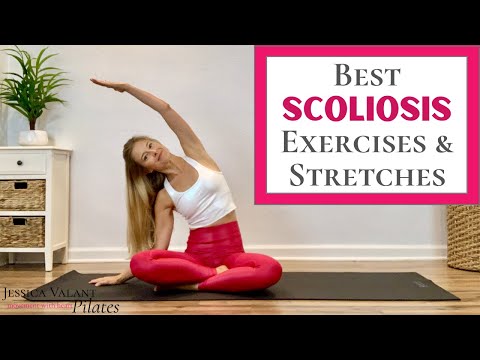
- Sitting Side Stretch: In a seated position, reach one arm overhead and lean to the opposite side to open up the side body.
- Cats-Cow Pose: On hands and knees, alternate between arching your back upward (cat) and letting it sag downward (cow).
A Few Final Thoughts
This journey might be long, but small adjustments in daily life matter. It’s fine to experiment with different exercises as everyone’s body is different! Just pay attention to how you feel during each activity.
If anything feels wrong or overly painful—that’s where you might want to hit pause!
You know? Listening to our bodies is crucial; just don’t hesitate to seek help from professionals if needed!
Professional Reflection on Scoliosis Exercises and Stretches
Scoliosis is a condition characterized by an abnormal curvature of the spine. It’s common among adolescents, but adults can experience it too. One way to manage scoliosis symptoms is through targeted exercises and stretches. These can help improve posture, enhance flexibility, and reduce discomfort.
When people think of scoliosis treatment, they often imagine braces or surgery. However, incorporating exercises into one’s routine can offer significant relief. For instance, strengthening the muscles surrounding the spine helps support its structure. Think of your spine like a tree; strong roots keep it upright in winds.
Exercises such as side planks, back extensions, and seated twists focus on strengthening core muscles that play a crucial role in spinal alignment. Stretching exercises—like cat-cow or child’s pose—improve flexibility and muscle relaxation, which are equally vital for those with scoliosis.
An important aspect to consider is that not every exercise suits everyone. Individualization is key because every person’s spinal curvature varies in severity and type. Consulting a health professional before starting any regimen is wise.
Practicing these movements regularly can lead to better posture over time—a benefit we all appreciate! It’s essential to listen to your body during these activities; if something doesn’t feel right, it’s okay to take a step back.
Ultimately, while exercises and stretches can significantly aid in alleviating symptoms of scoliosis, they should complement other treatments prescribed by healthcare professionals rather than replace them.